
10 Everyday Lifestyle Habits That Can Improve Your Liver Health

Photo by Daniel Sinoca on Unsplash
When most people think about liver disease, they often assume it only affects heavy drinkers. However, millions of people develop liver problems due to everyday lifestyle habits that have little to do with alcohol. Factors such as poor nutrition, physical inactivity, inadequate sleep, chronic stress, and excess body weight can all affect liver function over time.
The liver is one of the most important organs in the body. It helps regulate metabolism, processes nutrients, filters waste products, stores energy, and supports digestion. Because the liver is involved in so many essential functions, healthy lifestyle choices can have a major impact on its long-term health.
The good news is that small daily changes can make a significant difference. Here are ten lifestyle habits that may help support liver function and reduce the risk of developing liver-related health problems.
1. Start Moving More Every Day
Physical activity is one of the most effective lifestyle tools for supporting liver health.
A sedentary lifestyle is associated with:
- Fatty liver disease
- Obesity
- Insulin resistance
- Type 2 diabetes
- Metabolic syndrome
Regular exercise helps the body burn excess calories, improve insulin sensitivity, and reduce fat accumulation within the liver.
You don’t have to become a marathon runner to see benefits. Activities such as:
- Walking
- Cycling
- Swimming
- Hiking
- Strength training
can all contribute to improved metabolic health.
Even 30 minutes of moderate exercise most days of the week may positively affect liver function.
2. Maintain a Healthy Body Weight
Excess body fat is one of the leading contributors to non-alcoholic fatty liver disease.
When the body stores more energy than it needs, some of that fat may accumulate within liver cells. Over time, this can lead to inflammation and progressive liver damage.
Maintaining a healthy weight may help:
- Reduce liver fat
- Improve liver enzyme levels
- Improve blood sugar control
- Reduce inflammation
- Lower disease risk
Healthy weight management should focus on sustainable lifestyle habits rather than extreme diets or rapid weight-loss programs.
3. Improve Your Sleep Quality
Many people underestimate the connection between sleep and liver health.
Research has linked poor sleep with:
- Obesity
- Insulin resistance
- Increased inflammation
- Metabolic dysfunction
The liver performs important metabolic functions while the body rests. Chronic sleep deprivation may interfere with these processes and contribute to long-term health problems.
Helpful sleep habits include:
- Maintaining a regular bedtime
- Limiting screen exposure before bed
- Keeping the bedroom cool and dark
- Avoiding large meals late at night
Better sleep supports both liver health and overall wellness.
4. Stay Properly Hydrated
Water supports nearly every system in the body, including many functions involving the liver.
Proper hydration helps:
- Maintain circulation
- Support digestion
- Transport nutrients
- Regulate metabolism
Although water does not directly detoxify the liver, replacing sugary beverages with water may significantly reduce one of the dietary contributors to fatty liver disease.
Many people find it helpful to carry a reusable water bottle throughout the day to encourage consistent hydration.
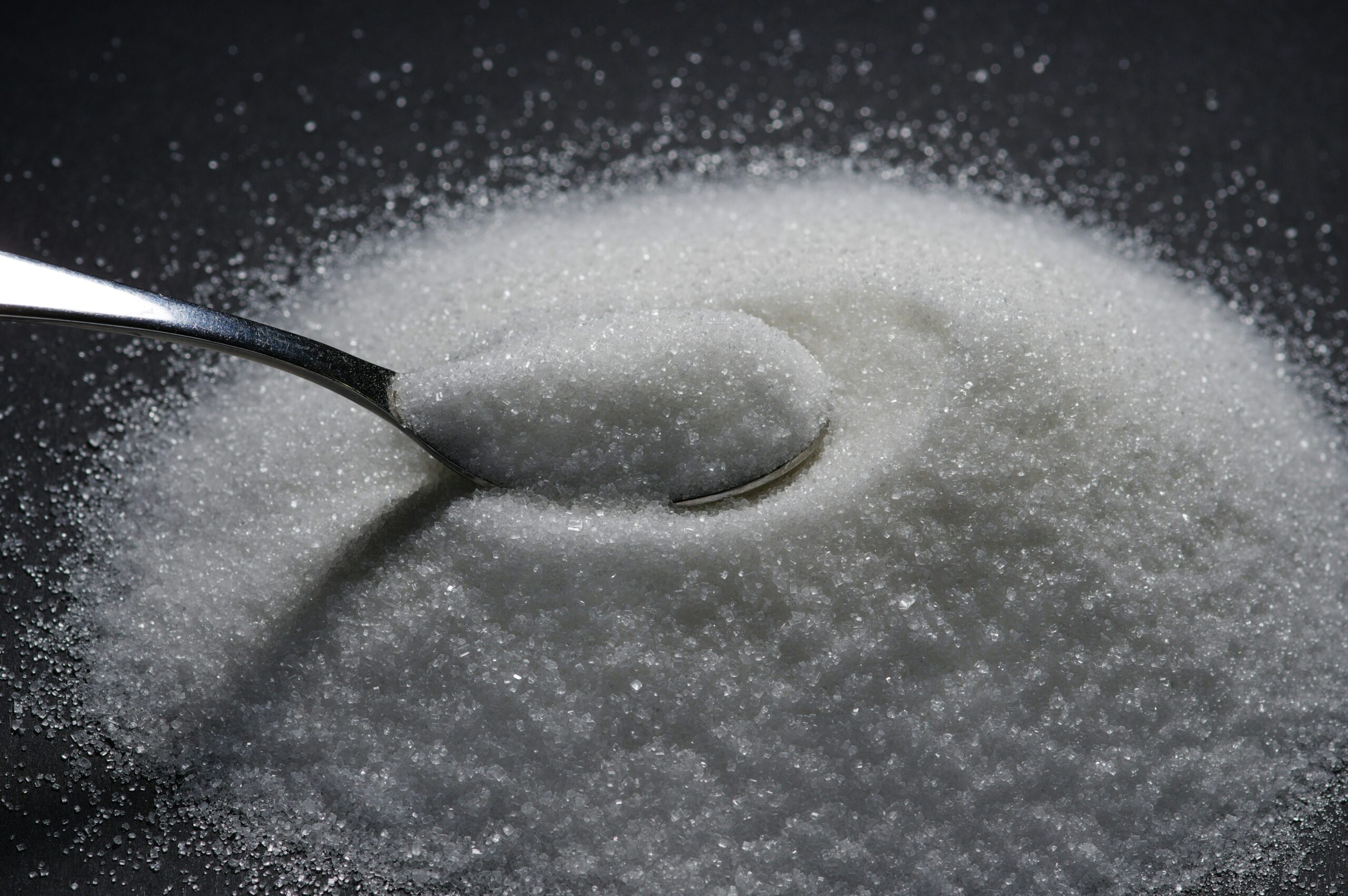
5. Reduce Your Daily Sugar Intake
Excess sugar consumption has become a major concern for liver health.
Large amounts of added sugar may contribute to:
- Fat accumulation in the liver
- Weight gain
- Insulin resistance
- Elevated triglycerides
Common sources of hidden sugar include:
- Soft drinks
- Energy drinks
- Sweetened coffee beverages
- Breakfast cereals
- Snack foods
- Processed sauces
Reducing added sugars is one of the most effective lifestyle changes individuals can make to support liver health.
6. Learn How to Manage Stress
Stress affects more than mental health.
Chronic stress may contribute to:
- Emotional eating
- Weight gain
- Poor sleep
- Physical inactivity
- Unhealthy lifestyle choices
Over time, these behaviors can indirectly affect liver function.
Stress-management techniques include:
- Meditation
- Deep breathing
- Journaling
- Exercise
- Spending time outdoors
- Hobbies and recreation
Even a few minutes of stress reduction each day may improve overall well-being.
7. Be Mindful of Alcohol Consumption
Alcohol remains one of the most significant lifestyle factors affecting liver health.
The liver is responsible for processing alcohol, and excessive consumption can overwhelm its ability to function properly.
Long-term heavy alcohol use may contribute to:
- Fatty liver disease
- Alcoholic hepatitis
- Fibrosis
- Cirrhosis
Individuals who choose to drink should do so responsibly and follow medical guidelines regarding alcohol intake.
Those with existing liver disease should discuss alcohol use with their healthcare provider.
8. Avoid Sitting for Long Periods
Modern lifestyles often involve prolonged sitting.
Whether working at a desk, commuting, or spending hours in front of screens, extended sedentary behavior may negatively affect metabolic health.
Simple strategies include:
- Standing periodically
- Taking short walks
- Stretching throughout the day
- Using stairs when possible
- Scheduling movement breaks
Increasing daily movement may help reduce the health risks associated with prolonged sitting.
9. Pay Attention to Medication Use
Many people do not realize that the liver processes most medications.
While medications provide important health benefits, improper use may increase stress on the liver.
Important habits include:
- Following dosage instructions
- Avoiding unnecessary medications
- Discussing supplements with healthcare providers
- Reading medication labels carefully
Over-the-counter medications, herbal supplements, and prescription drugs should always be used responsibly.
10. Schedule Regular Health Checkups
One of the challenges with liver disease is that symptoms often do not appear until significant damage has occurred.
Routine medical evaluations can help identify problems early.
Healthcare providers may recommend:
- Blood tests
- Liver function tests
- Metabolic screenings
- Cholesterol evaluations
- Diabetes screenings
Early detection often leads to better outcomes and more effective treatment options.
Why Consistency Matters More Than Perfection
Many people believe they must make dramatic lifestyle changes overnight.
In reality, consistency often matters far more than perfection.
Examples of sustainable improvements include:
- Walking after dinner
- Drinking more water
- Going to bed earlier
- Cooking at home more often
- Eating more vegetables
Small habits practiced regularly may produce substantial health benefits over time.
Building a Liver-Friendly Lifestyle
A liver-friendly lifestyle does not require expensive supplements or complicated wellness programs.
Instead, focus on foundational habits such as:
- Daily movement
- Balanced nutrition
- Quality sleep
- Stress management
- Proper hydration
- Healthy weight maintenance
These behaviors work together to support both liver function and overall health.
Warning Signs You Should Not Ignore
Although liver disease can be silent in its early stages, some symptoms may eventually appear.
Potential warning signs include:
- Persistent fatigue
- Loss of appetite
- Abdominal discomfort
- Dark urine
- Yellowing of the skin or eyes
- Unexplained weight loss
- Swelling in the abdomen
Anyone experiencing these symptoms should seek medical evaluation promptly.
The Long-Term Benefits of Healthy Lifestyle Choices
Healthy lifestyle habits benefit much more than the liver alone.
They may also improve:
- Heart health
- Blood sugar control
- Energy levels
- Weight management
- Mental health
- Sleep quality
- Overall longevity
Because the liver plays such a central role in metabolism, improving lifestyle habits often creates positive effects throughout the body.
Final Thoughts
Liver health is influenced by far more than alcohol consumption. Everyday lifestyle habits—including physical activity, sleep quality, hydration, stress management, weight control, and nutrition—play critical roles in determining how well the liver functions over time.
Fortunately, many of the most effective strategies are simple, affordable, and accessible. By focusing on consistent healthy habits rather than quick fixes, individuals can support their liver, reduce their risk of liver disease, and improve their overall quality of life. Small changes made today can help protect one of the body’s most important organs for years to come.
Related Posts





Available Liver Help