Can Medicines Damage Your Liver? Common Drugs That May Affect Liver Health
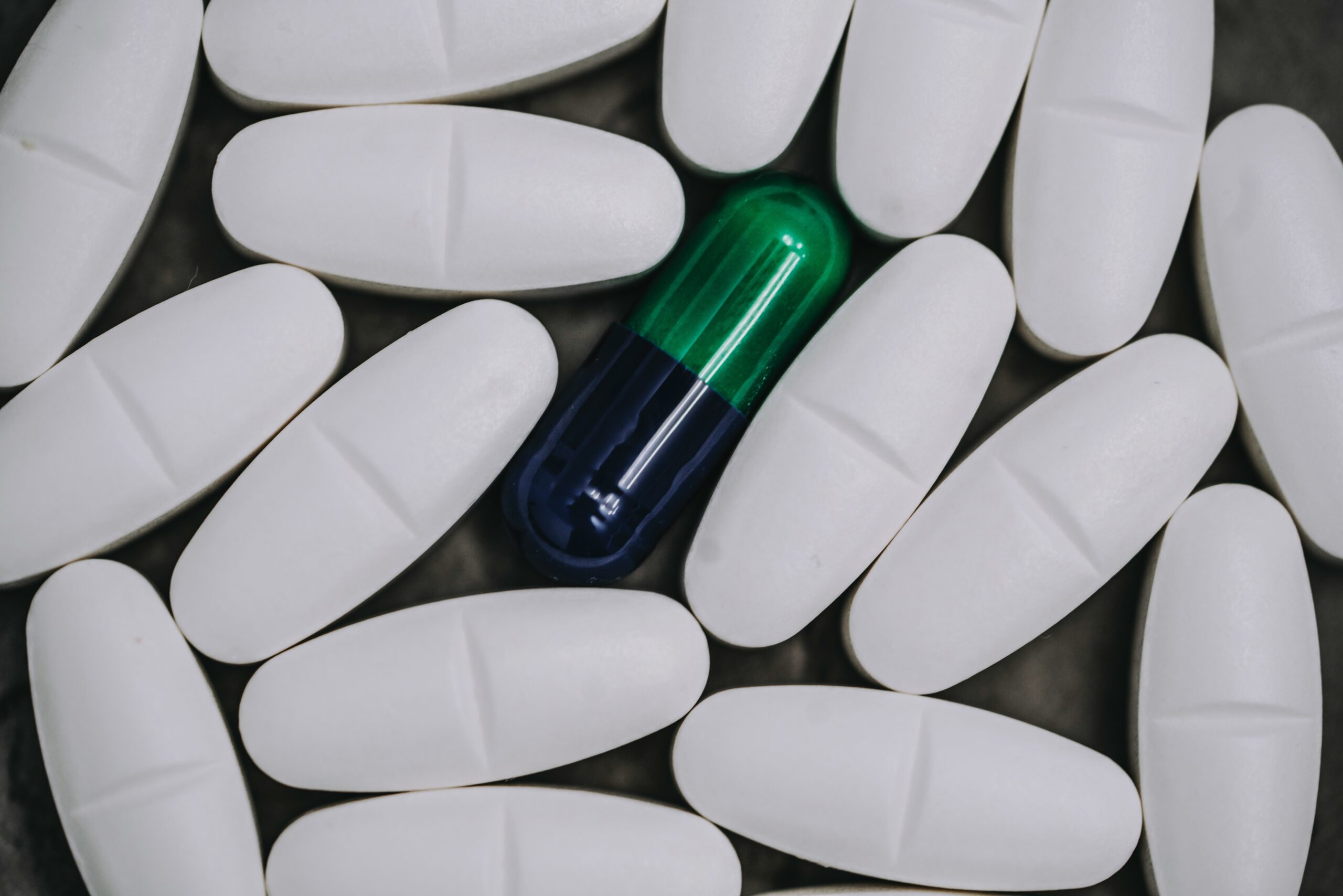
Photo by Teslariu Mihai on Unsplash
Many people assume that prescription medications and over-the-counter drugs are completely safe when purchased legally or recommended by a healthcare provider. While medications provide important health benefits and often improve quality of life, some drugs can place stress on the liver and, in certain situations, cause liver damage.
Because the liver is responsible for processing and breaking down many medications, it is particularly vulnerable to drug-related injury. Most people who take medications never develop serious liver problems, but understanding which medicines can affect the liver and recognizing potential warning signs can help reduce risks and support long-term liver health.
Why the Liver Is Responsible for Processing Medications
The liver serves as the body’s primary chemical processing center.
After medications enter the bloodstream, the liver helps break them down into substances that can be used by the body or safely eliminated. Specialized liver enzymes convert drugs into forms that can be removed through urine, bile, or waste products.
This process protects the body from harmful buildup but also exposes liver cells to medication byproducts. In some cases, these substances may trigger inflammation, toxicity, or liver injury.
The more medications a person takes, the harder the liver may need to work to process them.
What Is Drug-Induced Liver Injury?
Drug-induced liver injury, often abbreviated as DILI, occurs when medications or supplements damage liver cells.
Drug-induced liver injury can range from mild and temporary liver enzyme elevations to severe liver failure requiring hospitalization or transplantation.
The condition may occur because:
- A medication is inherently toxic at high doses
- The body reacts unpredictably to a drug
- Multiple medications interact
- Existing liver disease increases vulnerability
- Long-term use places excessive strain on the liver
Although uncommon overall, drug-induced liver injury remains one of the leading causes of acute liver failure in many countries.
Acetaminophen Is One of the Most Common Causes of Liver Damage
Acetaminophen, often sold under brand names such as Tylenol, is one of the most widely used pain relievers in the world.
When taken according to directions, acetaminophen is generally considered safe. However, excessive doses can overwhelm the liver’s ability to safely process the drug.
Large amounts may lead to:
- Severe liver injury
- Acute liver failure
- Hospitalization
- Emergency liver transplantation
Many cases occur because people unknowingly take multiple medications containing acetaminophen at the same time.
Carefully reviewing medication labels is essential for preventing accidental overdose.
Hidden Sources of Acetaminophen Increase Risk
Many individuals do not realize that acetaminophen appears in hundreds of products beyond standard pain relievers.
Common examples include:
- Cold medications
- Flu remedies
- Sleep aids
- Prescription pain medications
- Combination cough medicines
Taking several of these products simultaneously can significantly increase total acetaminophen intake and raise the risk of liver toxicity.
Always check ingredient lists before combining medications.
Can Antibiotics Affect the Liver?
Certain antibiotics have been associated with liver-related side effects.
Although most people tolerate antibiotics well, some medications may trigger inflammation or abnormal liver enzyme levels in susceptible individuals.
Potential symptoms may include:
- Fatigue
- Nausea
- Abdominal discomfort
- Jaundice
- Dark urine
In most cases, liver function improves after the medication is discontinued, but monitoring may be necessary if symptoms develop.
Patients should always complete prescribed treatments unless advised otherwise by a healthcare provider.
Cholesterol Medications and Liver Health
Statins are commonly prescribed to lower cholesterol levels and reduce cardiovascular risk.
For many years, concerns existed regarding possible liver damage from statins. Current evidence suggests that serious liver injury from statins is relatively uncommon.
However, some individuals may experience:
- Mild liver enzyme elevations
- Temporary liver function changes
- Increased monitoring requirements
Healthcare providers often monitor liver function in patients using cholesterol-lowering medications, particularly when treatment begins.
For most people, the benefits of statin therapy outweigh potential risks.
Anti-Seizure Medications May Impact the Liver
Several medications used to treat seizure disorders can affect liver function.
Certain anti-seizure drugs may occasionally cause:
- Elevated liver enzymes
- Liver inflammation
- Drug-induced hepatitis
Patients taking these medications often undergo routine blood testing to monitor liver health and ensure safe treatment.
Regular follow-up appointments help identify potential issues before serious complications develop.
Can Herbal Supplements Damage the Liver?
Many people assume that natural supplements are automatically safer than prescription drugs.
Unfortunately, some herbal products have been linked to significant liver injury.
Examples of supplements that have been associated with liver concerns include:
- Certain weight-loss products
- Bodybuilding supplements
- High-dose herbal extracts
- Multi-ingredient formulations
Because supplement quality and ingredient consistency may vary, consumers should exercise caution and discuss supplement use with healthcare providers.
Natural does not always mean harmless.
Pain Relievers Beyond Acetaminophen
Nonsteroidal anti-inflammatory drugs (NSAIDs) are another common class of medications used for pain management.
Examples include:
- Ibuprofen
- Naproxen
- Diclofenac
- Meloxicam
While NSAIDs are more commonly associated with stomach and kidney issues, rare cases of liver injury have been reported.
The risk generally remains low, but prolonged use and higher doses may increase the likelihood of complications.
Prescription Medications Used Long-Term
Long-term use of certain medications may require periodic liver monitoring.
Examples include drugs prescribed for:
- Autoimmune diseases
- Rheumatoid arthritis
- Chronic infections
- Mental health conditions
- Cancer treatments
Routine blood testing allows healthcare providers to identify liver abnormalities early and make medication adjustments when necessary.
Regular monitoring is an important component of safe long-term treatment.
Who Faces a Higher Risk of Medication-Related Liver Damage?
Several factors can increase susceptibility to liver injury.
Risk factors include:
- Existing liver disease
- Fatty liver disease
- Heavy alcohol use
- Older age
- Obesity
- Type 2 diabetes
- Multiple medication use
- Genetic factors
- Chronic medical conditions
Individuals with these risk factors should discuss medication safety with their healthcare providers.
Signs and Symptoms of Liver Damage From Medications
Drug-related liver injury may not always produce symptoms immediately.
When symptoms occur, they may include:
- Fatigue
- Nausea
- Vomiting
- Abdominal pain
- Loss of appetite
- Dark urine
- Pale stools
- Itching
- Yellow skin
- Yellow eyes
Prompt medical evaluation is important if these symptoms appear while taking medications or supplements.
How Doctors Diagnose Drug-Induced Liver Injury
Healthcare providers use several methods to evaluate possible medication-related liver damage.
Common diagnostic tools include:
- Liver function tests
- ALT testing
- AST testing
- Bilirubin measurements
- Ultrasound imaging
- Medication reviews
- Medical history evaluations
Determining whether a medication is responsible often requires careful analysis of symptoms, laboratory findings, and treatment history.
Can Medication-Related Liver Damage Be Reversed?
In many cases, yes.
The liver has a remarkable ability to recover when harmful substances are removed. Mild and moderate drug-induced liver injuries often improve after stopping the offending medication under medical supervision.
Recovery depends on factors such as:
- Severity of injury
- Duration of exposure
- Overall liver health
- Presence of underlying disease
- Prompt diagnosis
Early detection generally improves outcomes and reduces the risk of long-term complications.
How to Protect Your Liver When Taking Medications
Several simple strategies can help minimize liver-related risks.
Helpful precautions include:
- Following dosage instructions carefully
- Avoiding unnecessary medications
- Reading ingredient labels
- Limiting alcohol intake
- Informing providers about all supplements
- Attending routine monitoring appointments
- Avoiding self-medication
- Reporting unusual symptoms promptly
Responsible medication use is one of the best ways to support healthy liver function.
When to Speak With a Healthcare Provider
Medical advice should be sought if you:
- Have existing liver disease
- Need long-term medication therapy
- Take multiple prescriptions
- Use herbal supplements regularly
- Develop symptoms of liver injury
- Experience unexplained abnormal liver tests
Early evaluation often helps prevent more serious complications.
Final Thoughts on Medicines and Liver Damage
Can medicines damage your liver? In some cases, yes. While most medications are safe when used appropriately, certain drugs, supplements, and combinations can contribute to liver injury. Acetaminophen, some antibiotics, select prescription medications, and even certain herbal products have all been associated with liver-related complications.
The good news is that most medication-related liver problems are preventable. By following dosing instructions, communicating openly with healthcare providers, monitoring liver function when recommended, and avoiding unnecessary medication use, individuals can greatly reduce their risk while continuing to benefit from important treatments.
Related Posts





Available Liver Help