Can Liver Damage Be Reversed? What Science Says About Healing the Liver Naturally

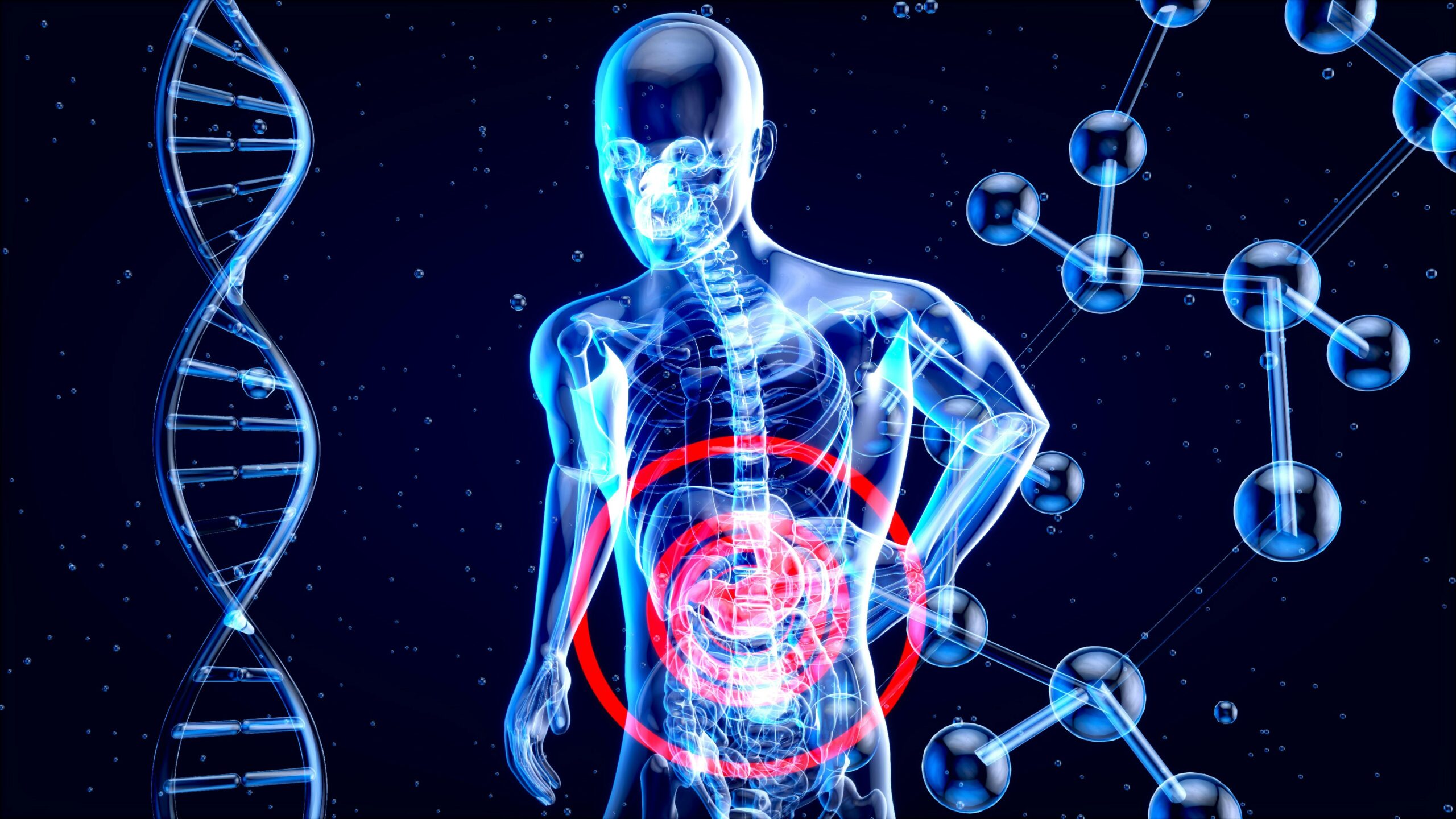
Photo by Randy Fath on Unsplash
The liver is one of the few organs in the human body capable of regenerating itself. This remarkable ability often leads people to ask an important question: can liver damage be reversed? The answer depends on the type of liver damage, how advanced the condition has become, and whether the underlying cause is addressed early enough.
Many forms of liver damage can improve significantly or even be reversed when detected in their early stages. However, severe scarring and advanced liver disease may cause permanent damage that cannot be completely undone. Understanding how the liver heals and what factors influence recovery is essential for anyone concerned about their liver health.
Why the Liver Has an Extraordinary Ability to Heal
Unlike most organs, the liver can regenerate damaged tissue. When healthy liver cells are injured or removed, the remaining cells can multiply and restore much of the organ’s function.
This regenerative ability allows the liver to recover from many common forms of injury caused by poor diet, excessive alcohol consumption, obesity, medications, infections, and metabolic disorders. However, regeneration becomes more difficult when damage occurs repeatedly over many years.
The sooner harmful factors are removed, the greater the opportunity for the liver to repair itself and regain normal function.
Understanding the Different Stages of Liver Damage
Not all liver damage is the same. Recovery potential often depends on how far the disease has progressed.
The earliest stage typically involves inflammation and fat accumulation within liver cells. At this point, the liver often remains highly capable of healing itself.
As damage continues, fibrosis may develop. Fibrosis occurs when scar tissue begins replacing healthy liver tissue. While some fibrosis can improve under the right conditions, extensive scarring becomes more difficult to reverse.
The most advanced stage is cirrhosis, where widespread scar tissue permanently alters the liver’s structure and function. Although treatment can slow progression, severe cirrhosis is generally considered irreversible.
Can Fatty Liver Disease Be Reversed?
Fatty liver disease is one of the most common causes of liver damage worldwide. It occurs when excess fat accumulates inside liver cells, often due to obesity, insulin resistance, poor dietary habits, and metabolic dysfunction.
The encouraging news is that fatty liver disease is often reversible, especially when identified early. Many individuals experience significant improvements through weight loss, exercise, improved nutrition, and better blood sugar control.
Even modest reductions in body weight can lower liver fat levels and decrease inflammation. In some cases, liver enzyme levels return to normal and imaging studies show dramatic improvement after sustained lifestyle changes.
Reversing Alcohol-Related Liver Damage
Alcohol-related liver disease develops when excessive alcohol consumption repeatedly injures liver cells.
In its early stages, alcoholic fatty liver disease can often be reversed through complete abstinence from alcohol. Many patients experience noticeable improvements within weeks or months after stopping alcohol use.
More advanced conditions such as alcoholic hepatitis may also improve with medical treatment and long-term sobriety. However, if cirrhosis has already developed, the liver may have permanent structural damage despite stopping alcohol consumption.
How Weight Loss Helps Repair the Liver
Excess body weight is closely linked to liver disease. Obesity contributes to inflammation, insulin resistance, and fat accumulation throughout the body, including the liver.
Weight loss is frequently the most effective treatment for individuals with fatty liver disease. Losing even 5% to 10% of total body weight can produce measurable improvements in liver health.
As body fat decreases, liver fat often decreases as well. This reduction can lower inflammation, improve liver enzyme levels, and help prevent progression to more serious liver conditions.
Foods That Support Liver Recovery
A healthy diet plays a critical role in helping the liver heal.
Many healthcare professionals recommend focusing on:
- Fresh vegetables
- Fruits
- Whole grains
- Lean proteins
- Fish rich in omega-3 fatty acids
- Nuts and seeds
- Legumes
- Healthy fats such as olive oil
At the same time, reducing processed foods, sugary beverages, refined carbohydrates, and excessive saturated fats may help decrease liver stress and support recovery.
A Mediterranean-style diet is often recommended because it supports both liver health and overall metabolic function.
Can Liver Fibrosis Improve?
Fibrosis represents an intermediate stage between inflammation and cirrhosis. During fibrosis, scar tissue begins replacing healthy liver tissue.
For many years, fibrosis was thought to be permanent. Modern research has shown that some liver fibrosis may improve when the underlying cause is successfully treated.
Patients who lose weight, eliminate alcohol, manage viral hepatitis, or control metabolic disease may experience reductions in fibrosis over time. The degree of improvement depends on the severity of the scarring and how early intervention begins.
When Liver Damage Cannot Be Reversed
Although the liver is highly resilient, there are limits to its ability to regenerate.
Advanced cirrhosis often involves permanent scarring that disrupts blood flow and normal liver architecture. Once severe structural changes occur, complete reversal becomes unlikely.
Even in these cases, treatment remains extremely important. Proper medical care can slow disease progression, reduce complications, improve quality of life, and potentially delay or prevent liver failure.
For some individuals with end-stage liver disease, liver transplantation may become the most effective treatment option.
Warning Signs That Your Liver May Be Struggling
Many people assume liver disease always causes obvious symptoms. In reality, liver damage can develop silently for years.
Potential warning signs include:
- Persistent fatigue
- Weakness
- Abdominal discomfort
- Unexplained weight loss
- Nausea
- Swelling in the abdomen
- Swelling in the legs
- Easy bruising
- Yellowing of the skin or eyes
- Dark urine
Because symptoms often appear late in the disease process, routine medical evaluations are important for individuals with known risk factors.
New Medical Treatments Are Improving Outcomes
Recent advances in liver disease treatment are creating new opportunities for recovery.
New medications targeting metabolic dysfunction, liver inflammation, and fibrosis are helping physicians manage fatty liver disease more effectively. Treatments designed specifically for advanced forms of fatty liver disease are providing hope for patients who previously had limited options.
Researchers continue to study therapies that may further reduce liver inflammation, improve fibrosis, and enhance long-term liver function.
Lifestyle Changes That Give Your Liver the Best Chance to Heal
The liver responds remarkably well to positive lifestyle changes.
Some of the most effective strategies include:
- Maintaining a healthy weight
- Exercising regularly
- Limiting alcohol consumption
- Avoiding tobacco products
- Managing diabetes
- Controlling cholesterol levels
- Eating a balanced diet
- Staying hydrated
- Getting sufficient sleep
- Following medical recommendations
Consistency is often more important than perfection. Small improvements maintained over time can have a profound impact on liver health.
How Long Does It Take for the Liver to Recover?
Recovery timelines vary depending on the type and severity of liver damage.
Some individuals notice improvements in liver enzyme levels within a few weeks of making lifestyle changes. Others may require several months or years to experience substantial healing.
Factors such as age, overall health, underlying medical conditions, and adherence to treatment recommendations all influence recovery speed.
Patience is important because liver healing is often gradual. Even when progress seems slow, healthy habits continue supporting long-term recovery.
Final Thoughts on Reversing Liver Damage
Can liver damage be reversed? In many cases, yes. Early-stage liver damage, fatty liver disease, and some forms of fibrosis often improve when the underlying cause is addressed promptly. The liver’s unique regenerative abilities make recovery possible for many people who commit to healthier habits and appropriate medical care.
However, advanced liver disease and severe cirrhosis may cause permanent damage that cannot be completely reversed. The key is recognizing risk factors early, seeking medical evaluation when needed, and taking proactive steps to protect liver health before irreversible scarring develops.
For anyone concerned about liver disease, early action remains the most powerful tool for preserving long-term liver function and overall health.
Related Posts


Available Liver Help