Can Liver Damage Be Reversed? A Complete Guide to Liver Healing, Recovery, and Regeneration
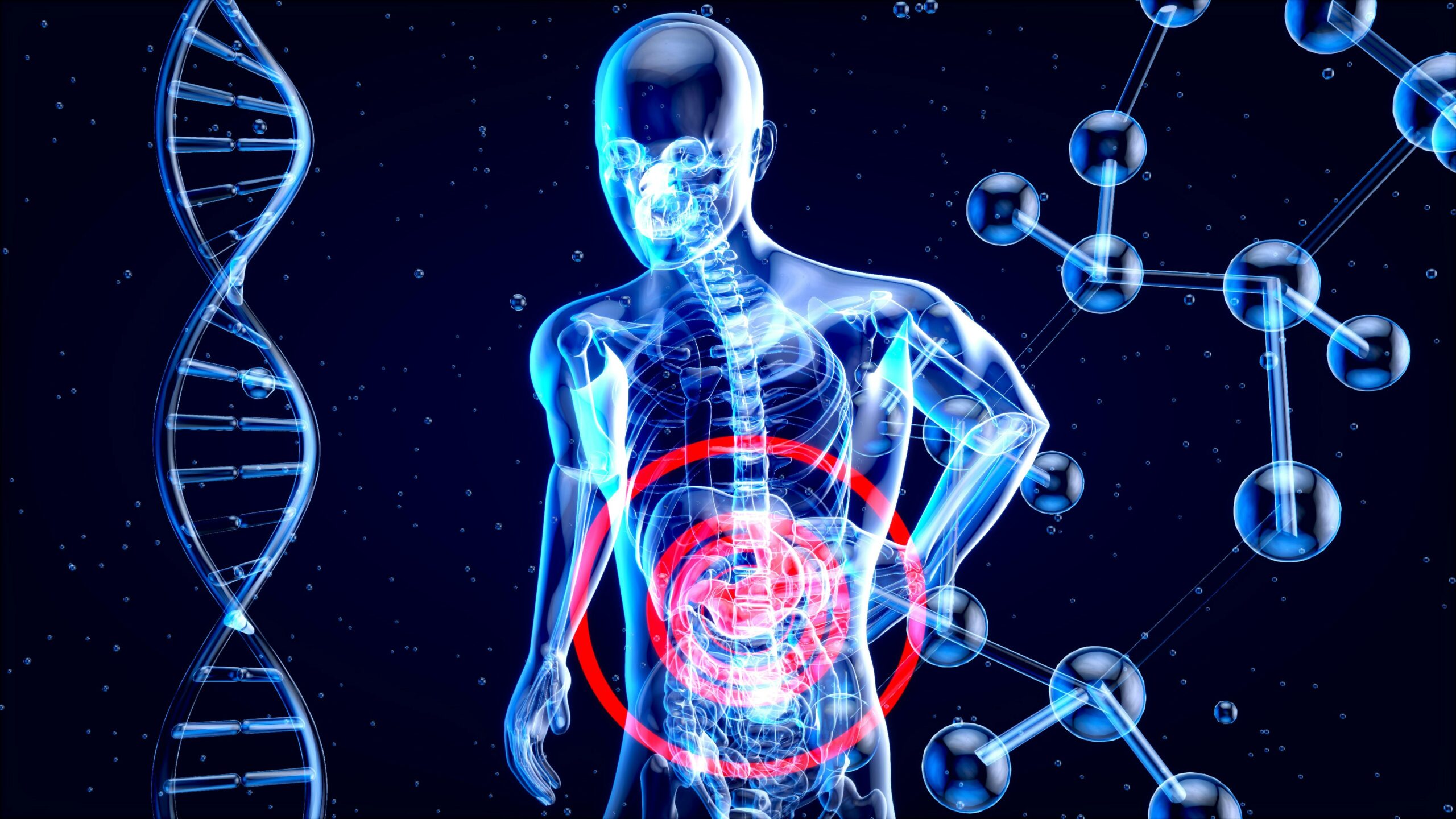
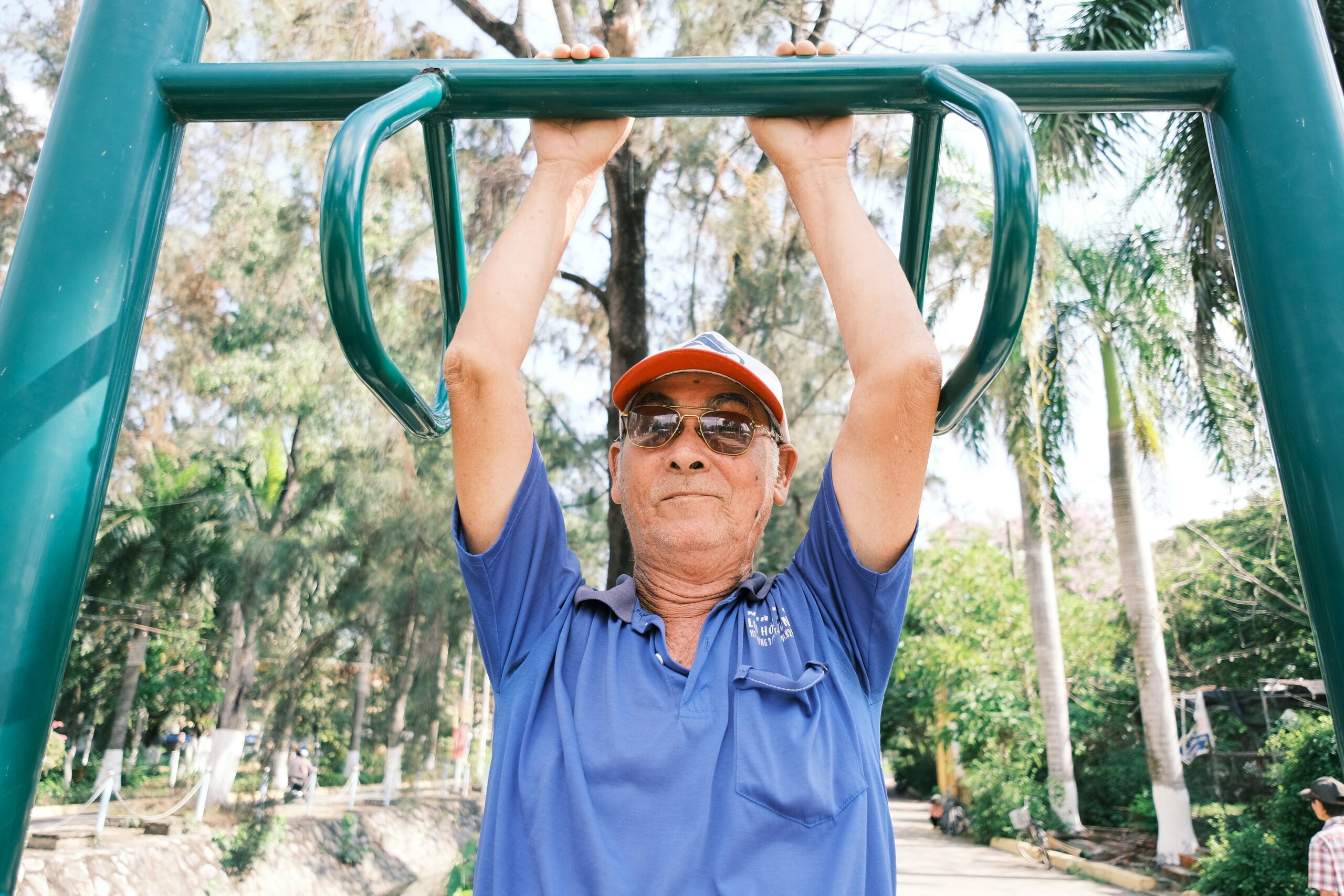
Photo by julien Tromeur on Unsplash
The liver is one of the hardest-working organs in the human body. Every day, it filters toxins, processes nutrients, regulates metabolism, produces essential proteins, and supports hundreds of critical bodily functions. Because of its unique ability to regenerate, many people wonder whether liver damage can be reversed once it occurs.
The answer depends on the type of liver damage, how severe it has become, and whether treatment begins before extensive scarring develops. In many cases, early liver damage can improve significantly and sometimes even disappear completely when the underlying cause is addressed. Understanding how liver regeneration works can help individuals make informed decisions about protecting and restoring their liver health.
How the Liver Repairs Itself
Unlike most organs, the liver possesses a remarkable ability to regenerate damaged tissue. When healthy liver cells are injured, surviving cells can multiply and replace lost tissue.
This regenerative capacity allows the liver to recover from many common forms of injury, including damage caused by poor diet, obesity, alcohol consumption, certain medications, and metabolic disorders. However, regeneration is not unlimited. Repeated injury over many years can eventually overwhelm the liver’s ability to heal.
The sooner harmful factors are removed, the greater the likelihood that recovery can occur.
What Causes Liver Damage?
Liver damage can develop from a wide variety of conditions and lifestyle factors.
Common causes include:
- Fatty liver disease
- Excess alcohol consumption
- Viral hepatitis
- Obesity
- Type 2 diabetes
- Insulin resistance
- Certain medications
- Autoimmune liver diseases
- Toxin exposure
- Genetic liver disorders
In many cases, multiple risk factors work together to increase the likelihood of liver injury.
Understanding the Stages of Liver Damage
The potential for reversal depends largely on the stage of liver disease.
Inflammation
The earliest stage often involves liver inflammation. During this phase, liver cells become irritated or injured, but permanent scarring has not yet developed.
Fat Accumulation
Excess fat can build up inside liver cells, particularly in people with fatty liver disease. This stage is often reversible with lifestyle improvements.
Fibrosis
Persistent inflammation may lead to fibrosis, which occurs when scar tissue begins replacing healthy liver tissue. Some fibrosis may improve if the underlying cause is successfully treated.
Cirrhosis
Advanced cirrhosis develops when extensive scar tissue permanently alters the structure of the liver. At this stage, complete reversal becomes much less likely.
Understanding where a patient falls within this progression helps determine treatment goals and recovery expectations.
Can Fatty Liver Disease Be Reversed?
Fatty liver disease is one of the most common causes of liver damage worldwide, and fortunately, it is often highly reversible.
When excess fat accumulates inside liver cells, inflammation and metabolic dysfunction may follow. If caught early, reducing liver fat can significantly improve liver health.
Many people reverse fatty liver disease by:
- Losing excess weight
- Improving nutrition
- Increasing physical activity
- Controlling blood sugar
- Managing cholesterol
- Reducing processed food intake
The liver often responds quickly to these changes, especially when intervention occurs before significant fibrosis develops.
How Weight Loss Helps Reverse Liver Damage
Weight loss is considered one of the most effective treatments for fatty liver disease.
Even modest weight reduction can decrease liver fat, improve insulin sensitivity, and reduce inflammation throughout the body. Studies consistently show that losing 5% to 10% of body weight may lead to measurable improvements in liver function and liver enzyme levels.
For many patients, gradual and sustainable weight loss provides one of the most powerful pathways toward liver recovery.
Can Alcohol-Related Liver Damage Heal?
Alcohol-related liver disease exists along a spectrum ranging from fatty liver to alcoholic hepatitis and cirrhosis.
The earliest stage, alcoholic fatty liver disease, often improves dramatically when alcohol consumption stops. In many cases, liver function begins improving within weeks of abstinence.
More advanced conditions may also stabilize or partially improve with long-term sobriety. However, severe cirrhosis caused by chronic alcohol abuse may result in permanent structural damage that cannot be completely reversed.
Stopping alcohol remains the most important step for anyone with alcohol-related liver disease.
Is Liver Fibrosis Reversible?
For many years, fibrosis was considered permanent. Modern research has shown that some liver fibrosis may improve under the right circumstances.
Fibrosis develops when scar tissue forms in response to chronic injury. If the source of injury is removed, the liver may gradually remodel some of this scar tissue and restore healthier function.
Patients who successfully treat hepatitis, lose weight, control metabolic disease, or stop drinking alcohol may experience improvements in fibrosis over time.
The degree of reversal depends on how extensive the scarring has become.
When Cirrhosis Becomes Permanent
Cirrhosis represents the most advanced stage of chronic liver disease.
At this point, scar tissue disrupts normal blood flow and permanently changes liver architecture. While medical treatment can slow progression and reduce complications, complete reversal is uncommon in advanced cirrhosis.
Patients with cirrhosis often require ongoing monitoring to manage risks such as:
- Portal hypertension
- Fluid accumulation
- Liver failure
- Internal bleeding
- Liver cancer
Early diagnosis remains critical because intervention before cirrhosis develops offers the best chance of recovery.
Symptoms That May Indicate Liver Damage
Many people assume liver disease always causes obvious symptoms. In reality, liver damage frequently develops without warning signs.
As liver disease progresses, symptoms may include:
- Chronic fatigue
- Weakness
- Abdominal discomfort
- Nausea
- Loss of appetite
- Unexplained weight loss
- Jaundice
- Dark urine
- Pale stools
- Easy bruising
Because symptoms often appear late, routine medical evaluations are important for individuals with known risk factors.
Foods That Support Liver Healing
Nutrition plays a central role in liver recovery.
Foods commonly associated with liver-friendly eating patterns include:
- Leafy green vegetables
- Berries
- Whole grains
- Legumes
- Fatty fish
- Nuts and seeds
- Olive oil
- Lean proteins
- High-fiber foods
A Mediterranean-style diet is frequently recommended because it supports both liver health and metabolic function.
Consistently healthy eating habits often provide greater benefits than restrictive detox programs or short-term cleanses.
Does Exercise Help Repair the Liver?
Regular physical activity can significantly improve liver health.
Exercise helps:
- Reduce liver fat
- Improve insulin sensitivity
- Promote weight loss
- Lower inflammation
- Improve cardiovascular health
Both aerobic exercise and strength training have been shown to support liver function and may help slow disease progression.
Even moderate increases in physical activity can make a meaningful difference over time.
New Treatments for Liver Disease
Medical advances continue to expand treatment options for patients with liver disease.
Researchers are developing therapies designed to:
- Reduce liver inflammation
- Improve fibrosis
- Target metabolic dysfunction
- Promote weight loss
- Slow disease progression
New medications for advanced fatty liver disease and MASH are creating additional opportunities for patients who previously had limited treatment options.
While lifestyle changes remain essential, these therapies may play an increasingly important role in future liver care.
How Long Does Liver Recovery Take?
The timeline for liver healing varies depending on the type and severity of damage.
Some individuals experience improved liver enzyme levels within weeks of making lifestyle changes. Others may require months or years to achieve substantial recovery.
Factors influencing healing include:
- Age
- Overall health
- Disease severity
- Weight loss success
- Alcohol consumption
- Metabolic health
- Treatment adherence
The liver often heals gradually, making consistency more important than rapid short-term changes.
Habits That Help Prevent Future Liver Damage
Protecting the liver involves adopting sustainable long-term habits.
Helpful strategies include:
- Maintaining a healthy weight
- Exercising regularly
- Limiting alcohol intake
- Following a balanced diet
- Managing diabetes
- Controlling cholesterol
- Staying hydrated
- Avoiding unnecessary medications
- Receiving recommended vaccinations
- Attending routine health screenings
These habits support both liver function and overall wellness.
Final Thoughts on Reversing Liver Damage
Can liver damage be reversed? In many cases, yes. Early-stage liver damage, fatty liver disease, alcohol-related fatty liver, and even some fibrosis can improve significantly when the underlying cause is addressed. The liver’s extraordinary regenerative capacity makes recovery possible for many people who take action before permanent scarring develops.
However, advanced cirrhosis and severe structural liver damage are often irreversible, highlighting the importance of early diagnosis and treatment. By focusing on healthy lifestyle habits, weight management, proper nutrition, exercise, and appropriate medical care, many individuals can protect their liver, support regeneration, and improve long-term liver health.
Related Posts


Available Liver Help