
Bridport Health High Strength Krill Oil Review: Can Omega-3s Support Better Liver Health?
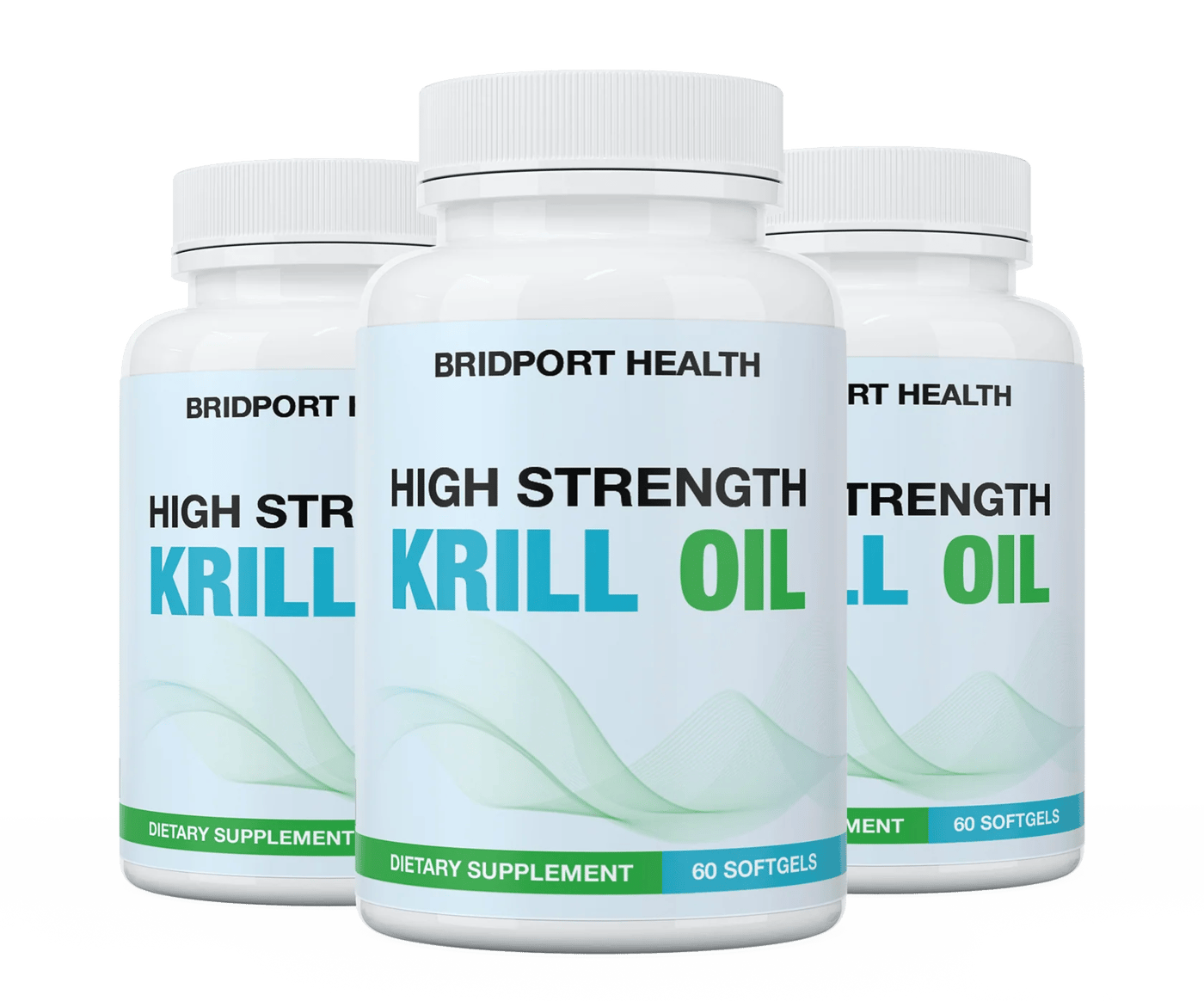
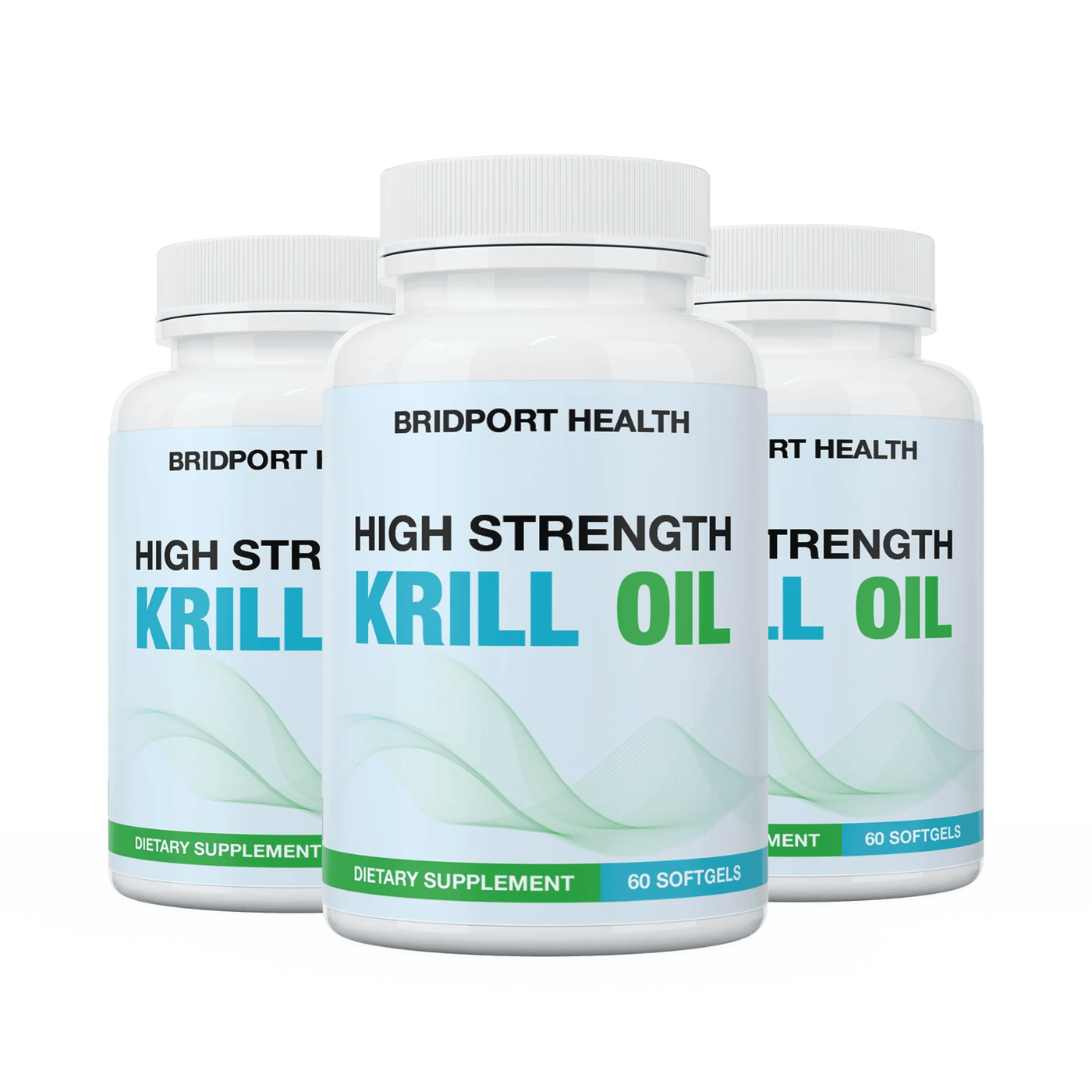
As awareness of liver health continues to grow, many consumers are looking beyond traditional liver supplements and exploring products that support overall metabolic wellness. One supplement that has attracted attention is Bridport Health High Strength Krill Oil, a source of omega-3 fatty acids derived from Antarctic krill.
While krill oil is often marketed for heart, brain, and joint health, emerging research has also highlighted the potential role of omega-3 fatty acids in supporting liver function and metabolic health. For individuals concerned about fatty liver disease, inflammation, cholesterol levels, and overall wellness, krill oil has become an increasingly popular supplement category.
In this review, we’ll examine Bridport Health High Strength Krill Oil, discuss its key features, explore the relationship between omega-3s and liver health, and explain how this supplement may fit into a broader liver wellness strategy.
Why Liver Health Is Receiving More Attention
The liver performs more than 500 vital functions every day.
Some of its most important responsibilities include:
- Filtering toxins from the bloodstream
- Processing nutrients from food
- Producing bile for digestion
- Managing cholesterol levels
- Regulating blood sugar
- Supporting metabolism
- Processing medications
Because the liver influences so many aspects of health, maintaining optimal liver function has become an important wellness goal for many adults.
What Is Bridport Health High Strength Krill Oil?
Bridport Health High Strength Krill Oil is a dietary supplement that provides omega-3 fatty acids sourced from krill, a small crustacean found in Antarctic waters.
Krill oil differs from standard fish oil because its omega-3 fatty acids are often bound to phospholipids, which may enhance absorption and bioavailability.
The supplement is commonly used by individuals seeking support for:
- Heart health
- Brain function
- Joint comfort
- Cholesterol management
- General wellness
Increasingly, consumers are also interested in how omega-3 supplements may support liver health.
Understanding Omega-3 Fatty Acids
Omega-3 fatty acids are essential fats that play important roles throughout the body.
The most well-known omega-3s include:
- EPA (eicosapentaenoic acid)
- DHA (docosahexaenoic acid)
These fatty acids contribute to numerous physiological processes and are often associated with anti-inflammatory properties.
Because modern diets frequently contain insufficient omega-3 intake, supplementation has become popular among health-conscious consumers.
The Connection Between Omega-3s and Liver Health
Researchers have become increasingly interested in the relationship between omega-3 fatty acids and liver function.
Several areas of interest include:
- Fat metabolism
- Inflammation management
- Cholesterol regulation
- Triglyceride reduction
- Metabolic health
Although omega-3 supplements are not a cure for liver disease, they may complement healthy lifestyle practices that support overall liver wellness.
Why Fatty Liver Disease Is So Common
One reason consumers seek liver-supportive supplements is the growing prevalence of fatty liver disease.
Contributing factors include:
- Obesity
- Type 2 diabetes
- High triglycerides
- Sedentary lifestyles
- Poor dietary habits
Many individuals with fatty liver disease experience no symptoms during the early stages, making prevention and metabolic support important considerations.
How Triglycerides Affect Liver Health
Triglycerides are a type of fat found in the bloodstream.
Elevated triglyceride levels may contribute to:
- Fat accumulation within the liver
- Metabolic dysfunction
- Increased cardiovascular risk
Omega-3 fatty acids have long been studied for their role in supporting healthy triglyceride levels, which is one reason products like Bridport Health High Strength Krill Oil attract attention from individuals interested in metabolic wellness.
What Makes Krill Oil Different From Fish Oil?
Both fish oil and krill oil provide EPA and DHA.
However, krill oil offers several unique characteristics.
Potential differences include:
- Phospholipid-bound omega-3s
- Naturally occurring antioxidants
- Smaller capsule sizes
- Different absorption characteristics
Many consumers choose krill oil because they find it easier to tolerate than traditional fish oil supplements.
Antioxidant Support and Liver Function
The liver is constantly exposed to oxidative stress as it processes nutrients, medications, and environmental compounds.
Oxidative stress may contribute to:
- Cellular damage
- Inflammation
- Metabolic dysfunction
Krill oil naturally contains astaxanthin, an antioxidant that helps protect the oil from oxidation and may contribute to its stability.
Antioxidants are often discussed as part of comprehensive liver wellness strategies.
Supporting Healthy Cholesterol Levels
Many individuals concerned about liver health are also focused on cholesterol management.
The liver plays a central role in:
- Cholesterol production
- Fat metabolism
- Lipid transport
Supporting healthy cholesterol levels through proper nutrition and lifestyle choices may contribute to overall metabolic health.
Omega-3 fatty acids are frequently included in heart-healthy wellness plans for this reason.
The Importance of Healthy Nutrition
No supplement can replace a healthy diet.
Individuals interested in supporting liver function should focus on consuming:
- Vegetables
- Fruits
- Whole grains
- Lean proteins
- Healthy fats
These foods provide nutrients that support overall wellness and metabolic health.
Supplements such as Bridport Health High Strength Krill Oil should be viewed as additions to healthy habits rather than substitutes for them.
Weight Management Remains Essential
Excess body weight remains one of the strongest risk factors for fatty liver disease.
Maintaining a healthy weight may help:
- Reduce liver fat
- Improve insulin sensitivity
- Lower inflammation
- Support healthy metabolism
Many healthcare professionals consider weight management the most important intervention for individuals concerned about liver health.
Exercise and Liver Wellness
Regular physical activity supports numerous aspects of liver function.
Exercise may help:
- Improve blood sugar control
- Reduce triglycerides
- Support cardiovascular health
- Promote healthy weight management
Combining exercise with proper nutrition often produces greater benefits than relying on supplements alone.
Who Might Consider Bridport Health High Strength Krill Oil?
This supplement may appeal to adults interested in:
- Omega-3 supplementation
- Cardiovascular wellness
- Metabolic health support
- Cholesterol management
- General healthy aging
Individuals seeking comprehensive wellness support may find krill oil useful as part of a broader health strategy.
Evaluating Product Quality
When reviewing any supplement, consumers should consider:
- Ingredient transparency
- Manufacturing standards
- Third-party testing
- Brand reputation
- Consumer feedback
Quality control plays an important role in supplement selection.
Researching products thoroughly helps ensure informed purchasing decisions.
Questions to Ask Before Taking Krill Oil
Before starting Bridport Health High Strength Krill Oil, consumers may wish to discuss several questions with their healthcare provider:
- Is omega-3 supplementation appropriate for my needs?
- Do I have any allergies to seafood or shellfish?
- Am I taking blood-thinning medications?
- What dosage is appropriate?
- How does this supplement fit into my overall health plan?
Professional guidance can help ensure safe and effective use.
Potential Benefits of a Comprehensive Wellness Plan
Many individuals focus exclusively on supplements while overlooking foundational health habits.
A comprehensive liver wellness plan may include:
- Balanced nutrition
- Regular exercise
- Weight management
- Blood sugar control
- Cholesterol monitoring
- Quality sleep
- Stress reduction
Supplements may complement these efforts but are most effective when used alongside healthy lifestyle practices.
Understanding Realistic Expectations
Consumers should avoid expecting immediate or dramatic results from any supplement.
Liver health improvements often depend on:
- Consistency
- Nutrition
- Physical activity
- Medical management
- Long-term habits
Supplements are generally most effective when incorporated into an ongoing commitment to health and wellness.
Safety Considerations
Although krill oil is widely used, it may not be appropriate for everyone.
Individuals should consult a healthcare professional before use if they:
- Have seafood allergies
- Take blood-thinning medications
- Have chronic medical conditions
- Are pregnant or nursing
Following professional guidance helps reduce unnecessary risks.
Final Review of Bridport Health High Strength Krill Oil
Bridport Health High Strength Krill Oil offers a convenient source of omega-3 fatty acids and may appeal to individuals interested in supporting cardiovascular health, metabolic wellness, and overall healthy aging. Because omega-3 fatty acids are increasingly studied for their potential role in fat metabolism, triglyceride management, and inflammation control, krill oil has become a popular supplement among those focused on liver health.
While Bridport Health High Strength Krill Oil should not be viewed as a treatment for liver disease, it may serve as a useful addition to a comprehensive wellness program that includes healthy nutrition, regular exercise, weight management, adequate sleep, and routine healthcare. As with any supplement, consumers should consult a healthcare provider to determine whether it aligns with their individual health needs and long-term wellness goals.
Related Posts
Available Liver Help