
Fatty Liver Disease: Causes, Symptoms, Stages, and the Most Effective Treatment Options

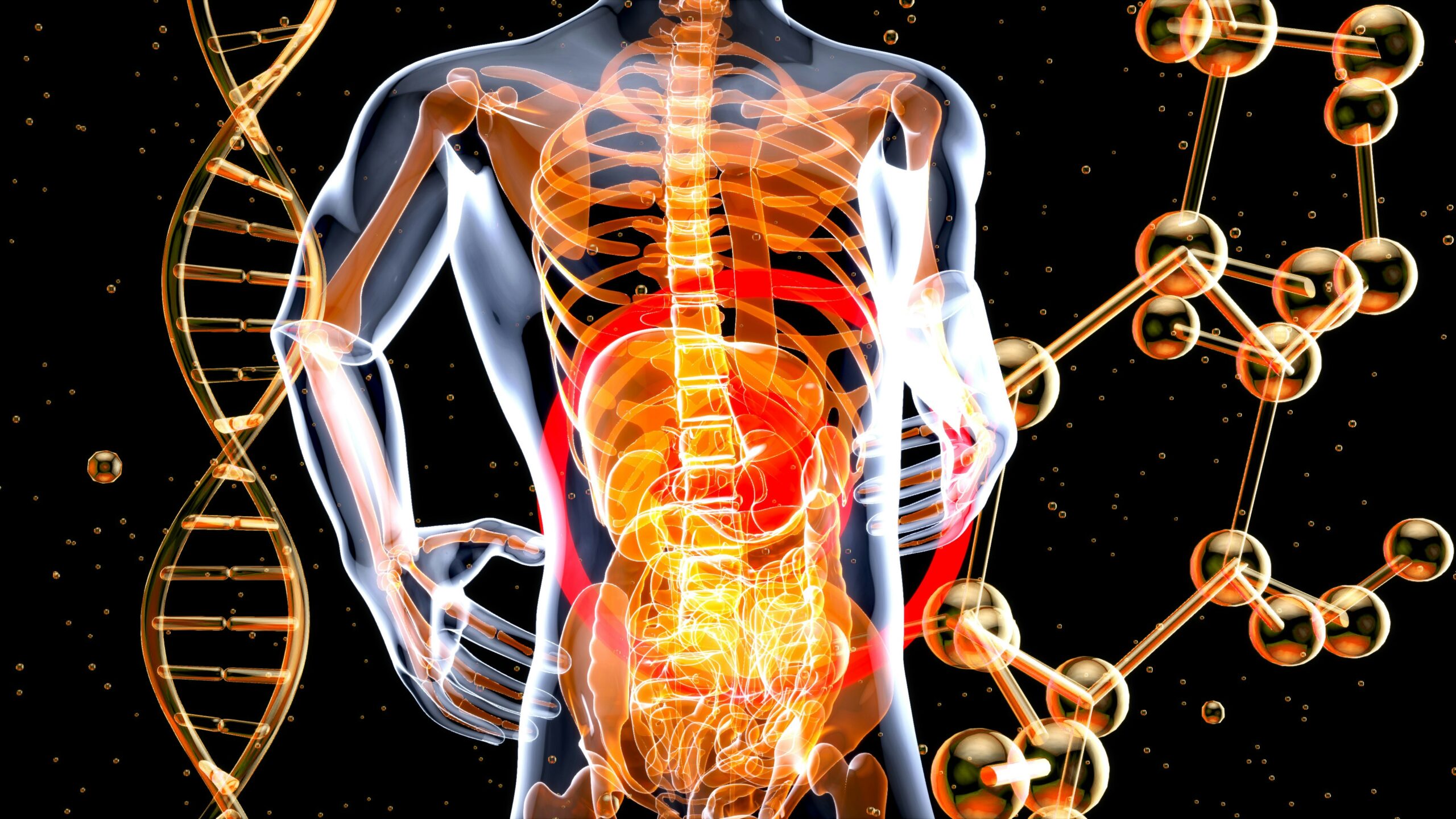
Photo by Towfiqu barbhuiya on Unsplash
Fatty liver disease has become one of the fastest-growing health conditions worldwide. Millions of people are living with excess fat in their liver without realizing it, as the disease often develops silently and may not cause noticeable symptoms for years. Left untreated, fatty liver disease can progress to serious liver damage, including inflammation, fibrosis, cirrhosis, and liver failure.
The good news is that fatty liver disease is often preventable and, in many cases, reversible when detected early. Understanding the causes, warning signs, risk factors, and available treatment options can help individuals take action before permanent liver damage occurs.
What Is Fatty Liver Disease?
Fatty liver disease occurs when excessive fat accumulates inside liver cells. While small amounts of fat in the liver are normal, too much fat can interfere with normal liver function and increase the risk of inflammation and scarring.
Healthcare professionals increasingly use the term Metabolic Dysfunction-Associated Steatotic Liver Disease (MASLD), which replaces the older term Nonalcoholic Fatty Liver Disease (NAFLD). The condition is closely linked to obesity, insulin resistance, type 2 diabetes, high cholesterol, and other metabolic health problems.
When inflammation and liver cell damage develop alongside excess fat, the disease may progress to a more serious condition known as Metabolic Dysfunction-Associated Steatohepatitis (MASH).
Why Fatty Liver Disease Is Becoming More Common
Modern lifestyles have contributed significantly to the rise in fatty liver disease.
Several factors are driving the increase, including:
- Higher obesity rates
- Increased consumption of processed foods
- Excess sugar intake
- Sedentary lifestyles
- Rising rates of type 2 diabetes
- Metabolic syndrome
- Poor dietary habits
- Chronic overnutrition
As these risk factors become more common, healthcare providers are diagnosing fatty liver disease in younger adults and even children.
What Causes Fatty Liver Disease?
Fatty liver disease develops when the liver stores more fat than it can effectively process and remove.
Common causes include:
- Obesity
- Insulin resistance
- Type 2 diabetes
- High triglyceride levels
- High cholesterol
- Metabolic syndrome
- Poor dietary choices
- Physical inactivity
- Rapid weight gain
- Certain medications
In some cases, genetics may also influence a person’s susceptibility to developing fatty liver disease.
How Insulin Resistance Contributes to Liver Fat
Insulin resistance is one of the most important underlying causes of fatty liver disease.
When the body’s cells become less responsive to insulin, blood sugar regulation becomes impaired. The liver responds by producing and storing more fat, leading to fat accumulation within liver cells.
Over time, this process can trigger inflammation and increase the risk of progression from simple fatty liver to more advanced liver disease.
Because insulin resistance is closely linked to obesity and type 2 diabetes, addressing metabolic health is often a critical component of treatment.
Early Symptoms of Fatty Liver Disease
One of the reasons fatty liver disease is so dangerous is that many people experience no symptoms during the early stages.
When symptoms do occur, they may include:
- Persistent fatigue
- Low energy levels
- Mild abdominal discomfort
- Fullness in the upper right abdomen
- Difficulty concentrating
- General weakness
These symptoms are often subtle and may easily be mistaken for other health issues.
Signs of Advanced Fatty Liver Disease
As liver damage progresses, symptoms may become more noticeable.
Potential signs of advanced disease include:
- Unexplained weight loss
- Muscle wasting
- Jaundice
- Swelling of the abdomen
- Swelling of the legs
- Easy bruising
- Dark urine
- Pale stools
- Persistent itching
- Mental confusion
These symptoms may indicate significant liver injury and require prompt medical evaluation.
Understanding the Stages of Fatty Liver Disease
Fatty liver disease generally progresses through several stages.
Stage 1: Simple Fatty Liver
This earliest stage involves fat accumulation without significant inflammation or scarring. Many individuals remain symptom-free during this phase.
Stage 2: Steatohepatitis (MASH)
Inflammation develops within the liver, increasing the risk of long-term damage.
Stage 3: Fibrosis
Repeated inflammation leads to scar tissue formation. Although the liver can still function, fibrosis indicates worsening disease.
Stage 4: Cirrhosis
Extensive scarring permanently alters liver structure and function. Cirrhosis may lead to liver failure and other serious complications.
Early intervention offers the best chance of preventing progression through these stages.
Who Is Most at Risk for Fatty Liver Disease?
Several groups face an elevated risk of developing fatty liver disease.
Risk factors include:
- Obesity
- Type 2 diabetes
- Prediabetes
- High blood pressure
- High cholesterol
- Elevated triglycerides
- Sleep apnea
- Metabolic syndrome
- Family history of liver disease
- Sedentary lifestyle
The presence of multiple risk factors substantially increases the likelihood of developing liver fat accumulation.
How Doctors Diagnose Fatty Liver Disease
Fatty liver disease is often discovered during routine medical evaluations.
Diagnostic tools may include:
- Liver function blood tests
- Ultrasound imaging
- FibroScan examinations
- CT scans
- MRI scans
- Liver fibrosis assessments
- Liver biopsy in selected cases
These tests help determine the severity of liver fat accumulation and whether fibrosis or inflammation is present.
Can Fatty Liver Disease Be Reversed?
In many cases, yes.
The liver has an impressive ability to repair itself when damaging factors are removed. Patients who improve their diet, lose excess weight, increase physical activity, and control metabolic risk factors often experience significant improvements.
Early-stage fatty liver disease is particularly responsive to lifestyle interventions. Many patients see improvements in liver enzymes and reductions in liver fat after making sustainable changes.
The earlier treatment begins, the greater the likelihood of successful reversal.
Weight Loss Is One of the Most Effective Treatments
Weight reduction remains the cornerstone of fatty liver disease treatment.
Research consistently shows that losing even a modest percentage of body weight can improve liver health.
Benefits of weight loss may include:
- Reduced liver fat
- Lower inflammation
- Improved insulin sensitivity
- Better liver enzyme levels
- Reduced fibrosis progression
Gradual, sustainable weight loss typically produces the most reliable long-term results.
The Best Diet for Fatty Liver Disease
Many liver specialists recommend a Mediterranean-style eating pattern.
This approach emphasizes:
- Vegetables
- Fruits
- Whole grains
- Legumes
- Fish
- Nuts and seeds
- Olive oil
- Lean proteins
At the same time, reducing sugary beverages, processed foods, refined carbohydrates, and excessive saturated fats may help decrease liver fat accumulation.
Healthy eating patterns support both liver health and overall metabolic wellness.
Exercise Helps Reduce Liver Fat
Physical activity plays a major role in fatty liver disease management.
Regular exercise may:
- Improve insulin sensitivity
- Promote weight loss
- Reduce inflammation
- Lower liver fat levels
- Support cardiovascular health
Walking, cycling, swimming, strength training, and other forms of exercise can all contribute to improved liver health when performed consistently.
New Medications for Fatty Liver Disease
Although lifestyle changes remain the primary treatment, new medications are expanding treatment options.
Researchers have developed therapies targeting:
- Liver inflammation
- Fibrosis
- Metabolic dysfunction
- Weight management
- Insulin resistance
Certain medications have shown promising results for patients with advanced MASH and liver fibrosis, offering new hope for individuals with progressive disease.
Preventing Fatty Liver Disease
Prevention remains one of the most effective strategies for protecting liver health.
Helpful preventive measures include:
- Maintaining a healthy weight
- Exercising regularly
- Limiting added sugars
- Following a balanced diet
- Managing blood sugar
- Controlling cholesterol
- Limiting alcohol consumption
- Getting adequate sleep
- Attending routine medical checkups
Small lifestyle improvements can significantly reduce long-term liver disease risk.
Long-Term Outlook for People With Fatty Liver Disease
The prognosis varies depending on the stage of disease and how quickly treatment begins.
Many individuals with early fatty liver disease experience substantial improvement after implementing lifestyle changes. Others may require ongoing medical monitoring to prevent progression.
Patients who address risk factors early generally have a much better outlook than those whose disease advances to fibrosis or cirrhosis.
Final Thoughts on Fatty Liver Disease
Fatty liver disease is now one of the most common causes of chronic liver problems worldwide, but it is often highly manageable when identified early. Understanding the causes, symptoms, stages, and treatment options empowers individuals to take control of their liver health before serious complications develop.
By focusing on healthy nutrition, regular exercise, weight management, and metabolic health, many people can reduce liver fat, improve liver function, and potentially reverse early stages of fatty liver disease. Early diagnosis and consistent lifestyle improvements remain the most powerful tools for protecting long-term liver health.
Related Posts

Available Liver Help