Does Weight Loss Reverse Fatty Liver Disease? What You Need to Know
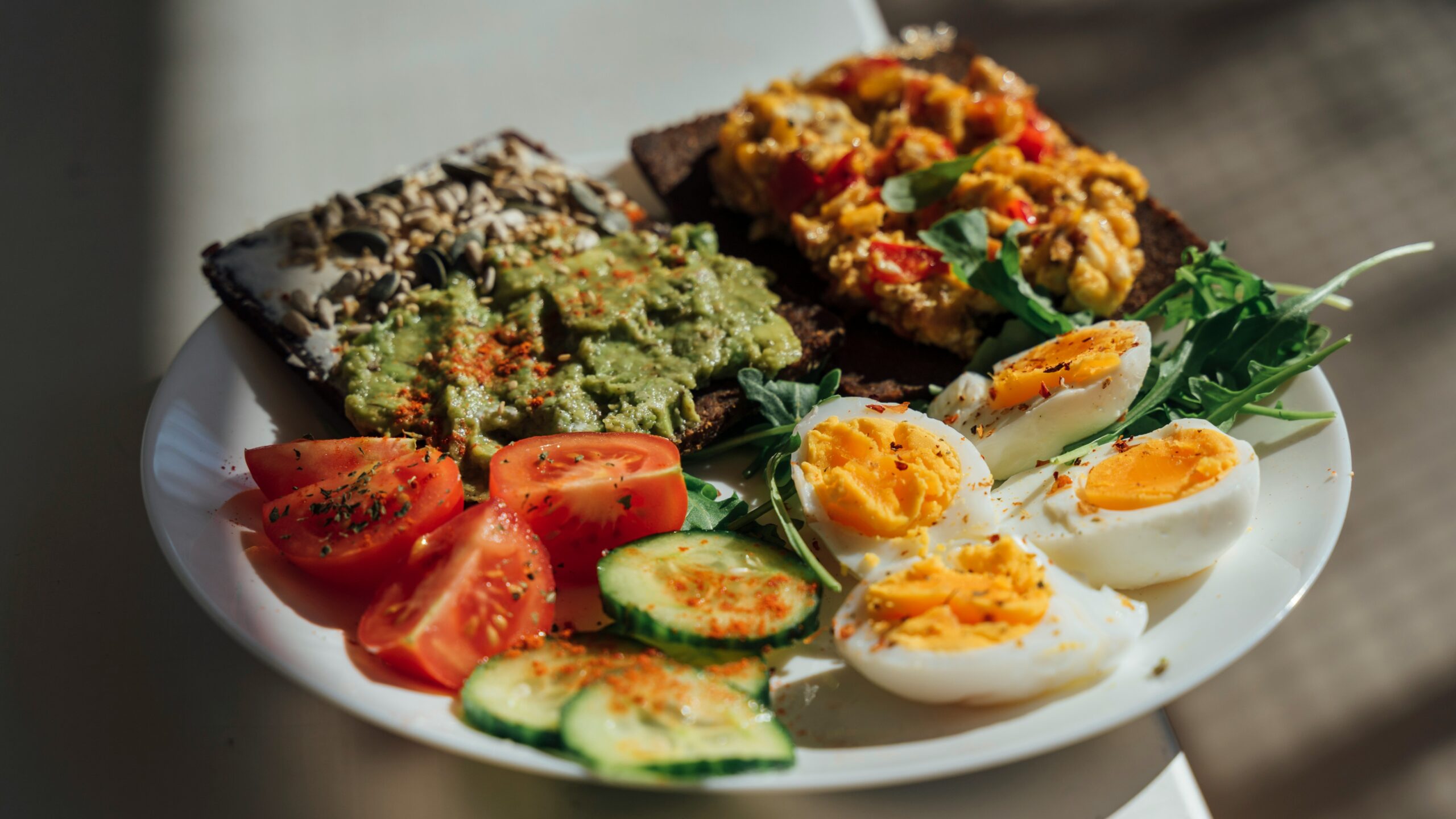
Photo by Total Shape on Unsplash
Fatty liver disease has become one of the most common chronic health conditions worldwide. As rates of obesity, type 2 diabetes, and metabolic syndrome continue to rise, so does the number of people diagnosed with excess fat buildup in the liver. A common question many patients ask after receiving a diagnosis is whether fatty liver disease can be reversed through weight loss.
The encouraging news is that, in many cases, weight loss is one of the most effective treatments for fatty liver disease. Research consistently shows that losing excess body weight can reduce liver fat, improve liver enzyme levels, decrease inflammation, and even help reverse early stages of liver damage. Understanding how weight loss affects the liver can help individuals take meaningful steps toward better liver health.
What Is Fatty Liver Disease?
Fatty liver disease occurs when excessive fat accumulates inside liver cells.
Today, healthcare professionals increasingly use the term Metabolic Dysfunction-Associated Steatotic Liver Disease (MASLD), which replaces the older term Nonalcoholic Fatty Liver Disease (NAFLD).
Fatty liver disease is closely linked to:
- Obesity
- Type 2 diabetes
- Insulin resistance
- High cholesterol
- High triglycerides
- Metabolic syndrome
When excess fat remains in the liver for long periods, inflammation and liver injury may develop.
Why Fat Builds Up in the Liver
The liver plays a major role in processing fats, carbohydrates, and sugars.
When calorie intake consistently exceeds the body’s needs, excess energy is often stored as fat. Over time, fat may begin accumulating inside liver cells.
Several factors contribute to liver fat accumulation, including:
- Poor diet
- Excess sugar consumption
- Obesity
- Insulin resistance
- Physical inactivity
- Genetic predisposition
As liver fat increases, the risk of inflammation and progressive liver disease also rises.
Can Fatty Liver Disease Be Reversed?
For many individuals, the answer is yes.
One of the most important characteristics of the liver is its ability to heal and regenerate when damaging factors are removed.
In the early stages of fatty liver disease, reducing liver fat often leads to significant improvements in liver health. Weight loss remains one of the most effective ways to achieve this outcome.
The earlier intervention occurs, the greater the likelihood of reversing liver damage before permanent scarring develops.
Why Weight Loss Helps the Liver
Weight loss addresses many of the underlying causes of fatty liver disease.
Losing excess weight can:
- Reduce liver fat
- Improve insulin sensitivity
- Lower inflammation
- Improve blood sugar control
- Decrease cholesterol levels
- Reduce metabolic stress
These improvements create a healthier environment that allows the liver to recover and function more efficiently.
How Much Weight Loss Is Needed?
Many people assume dramatic weight loss is necessary to improve liver health.
Fortunately, even modest reductions in body weight can provide measurable benefits.
Research has shown that losing approximately 5% to 10% of total body weight may significantly reduce liver fat and improve liver enzyme levels.
Greater weight loss often produces even larger improvements in inflammation and liver function.
Every pound lost may contribute to better metabolic and liver health.
Weight Loss and Liver Fat Reduction
One of the first changes that often occurs during weight loss is a reduction in liver fat.
As the body begins using stored fat for energy, excess fat deposits inside the liver may decrease.
This reduction can help:
- Improve liver enzyme values
- Reduce liver enlargement
- Improve insulin sensitivity
- Enhance metabolic function
Because liver fat is a primary driver of fatty liver disease, reducing it is a critical treatment goal.
Can Weight Loss Improve Liver Enzymes?
Many individuals with fatty liver disease have elevated liver enzymes such as ALT and AST.
These enzymes often serve as markers of liver inflammation or injury.
As liver fat decreases and inflammation improves, liver enzyme levels frequently move closer to normal ranges.
Improved laboratory results often provide early evidence that lifestyle changes are benefiting the liver.
The Role of Insulin Resistance
Insulin resistance is one of the key factors linking obesity and fatty liver disease.
When the body’s cells become less responsive to insulin, blood sugar regulation becomes impaired. The liver often responds by producing and storing additional fat.
Weight loss helps improve insulin sensitivity, reducing the metabolic conditions that encourage liver fat accumulation.
This is one reason why weight management is considered a cornerstone of fatty liver treatment.
Can Weight Loss Reverse Liver Inflammation?
Fat accumulation alone is not always the most serious concern.
Some individuals progress to a more advanced condition known as Metabolic Dysfunction-Associated Steatohepatitis (MASH), formerly called Nonalcoholic Steatohepatitis (NASH).
MASH involves:
- Liver inflammation
- Liver cell injury
- Increased fibrosis risk
- Progressive liver damage
Weight loss has been shown to reduce inflammation and may help slow or reverse disease progression in many patients.
Weight Loss May Improve Liver Fibrosis
Fibrosis occurs when scar tissue develops inside the liver as a result of chronic inflammation.
Early fibrosis may improve when the underlying cause is addressed.
Significant and sustained weight loss has been associated with improvements in liver fibrosis among some individuals with fatty liver disease.
However, advanced scarring may not be fully reversible, making early intervention especially important.
Best Diet for Fatty Liver Disease
Weight loss is most effective when combined with a healthy dietary pattern.
Many liver specialists recommend focusing on:
- Vegetables
- Fruits
- Whole grains
- Legumes
- Lean proteins
- Fish
- Nuts and seeds
- Healthy fats such as olive oil
Limiting processed foods and added sugars may further reduce liver fat accumulation.
The Mediterranean diet is frequently recommended for individuals with fatty liver disease because of its strong association with metabolic health.
Why Sugar Reduction Matters
Excess sugar intake, particularly fructose, has been strongly associated with fatty liver disease.
High-sugar foods and beverages can increase fat production within the liver.
Common sources include:
- Soft drinks
- Energy drinks
- Candy
- Pastries
- Sweetened coffee beverages
- Processed snacks
Reducing added sugar intake often supports both weight loss and liver health goals.
Exercise Accelerates Liver Improvement
Physical activity plays a major role in reversing fatty liver disease.
Exercise helps:
- Burn calories
- Improve insulin sensitivity
- Reduce liver fat
- Support weight loss
- Improve cardiovascular health
Both aerobic exercise and resistance training have been shown to benefit individuals with fatty liver disease.
Even moderate activity performed consistently can contribute to meaningful improvements.
Can Weight Loss Surgery Reverse Fatty Liver Disease?
For individuals with severe obesity, bariatric surgery may provide substantial liver benefits.
Significant weight loss following surgery often leads to:
- Reduced liver fat
- Improved liver enzymes
- Better blood sugar control
- Reduced inflammation
Many patients experience marked improvements in fatty liver disease after successful weight-loss procedures.
However, surgery is typically reserved for individuals who meet specific medical criteria.
How Fast Should You Lose Weight?
Rapid weight loss is not always beneficial.
In some cases, extremely fast weight loss may temporarily increase stress on the liver.
Most healthcare professionals recommend gradual, sustainable weight loss through healthy nutrition and regular exercise.
Steady progress is often easier to maintain and produces long-term benefits for liver health.
Additional Lifestyle Changes That Support Liver Recovery
Weight loss works best when combined with other healthy habits.
Helpful strategies include:
- Improving sleep quality
- Managing stress
- Staying hydrated
- Limiting alcohol consumption
- Controlling blood sugar
- Managing cholesterol levels
- Avoiding tobacco products
These habits support overall metabolic health and help create conditions that promote liver healing.
How Long Does It Take to Improve Fatty Liver Disease?
The timeline varies from person to person.
Some individuals experience improvements in liver enzyme levels within a few months of making lifestyle changes.
More substantial reductions in liver fat and inflammation may require longer periods of consistent effort.
The key is maintaining healthy habits over time rather than seeking quick fixes.
Signs Your Liver Is Improving
Positive changes may include:
- Lower liver enzyme levels
- Improved blood sugar control
- Reduced cholesterol levels
- Increased energy
- Weight reduction
- Improved imaging results
Regular medical monitoring can help track progress and guide treatment decisions.
Final Thoughts on Weight Loss and Fatty Liver Disease
Does weight loss reverse fatty liver disease? For many individuals, the answer is yes. Weight loss remains one of the most effective and widely recommended treatments for reducing liver fat, improving liver enzymes, lowering inflammation, and slowing the progression of fatty liver disease.
The liver has an impressive ability to heal when damaging influences are removed. By achieving and maintaining a healthy weight through proper nutrition, regular exercise, and long-term lifestyle changes, many people can significantly improve their liver health and reduce the risk of serious liver complications in the future.
Related Posts



Available Liver Help