
12 Everyday Habits That Can Harm Your Liver and How to Prevent Them

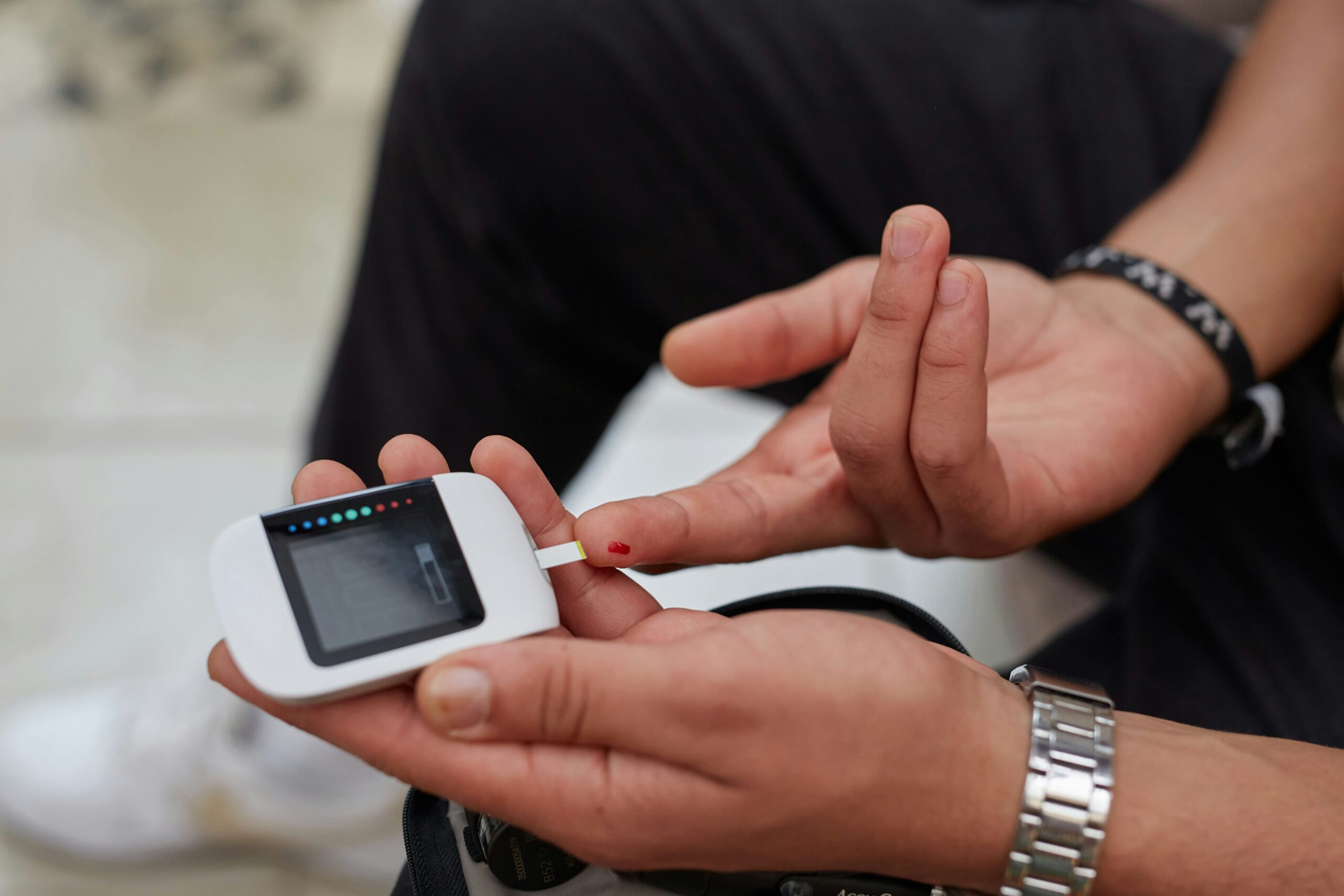
Photo by Shayna Douglas on Unsplash
When people think about liver disease, they often picture excessive alcohol consumption as the primary cause. While alcohol can certainly damage the liver, many everyday habits can also negatively affect liver health over time. In fact, some of the fastest-growing liver problems today are linked to common lifestyle choices that millions of people make every day without realizing the potential consequences.
The liver is responsible for filtering toxins, processing nutrients, regulating metabolism, and supporting hundreds of vital bodily functions. Because it works around the clock, even seemingly minor habits can gradually place stress on this important organ.
The good news is that awareness is the first step toward prevention. By identifying common behaviors that may affect liver health, individuals can make simple changes that support long-term wellness and reduce the risk of liver disease.
Why Prevention Is Critical for Liver Health
One of the biggest challenges with liver disease is that it often develops silently.
Many people experience no symptoms during the early stages of liver damage.
As a result:
- Fatty liver disease may go unnoticed
- Inflammation may progress silently
- Scar tissue may gradually develop
- Liver function may decline over time
Preventive habits can help reduce these risks before permanent damage occurs.
Habit #1: Drinking Too Many Sugary Beverages
Soft drinks, sweet tea, flavored coffee beverages, and energy drinks have become common parts of modern diets.
These beverages often contain large amounts of added sugar.
Excess sugar consumption may contribute to:
- Weight gain
- Insulin resistance
- Elevated triglycerides
- Fat accumulation in the liver
One of the simplest preventive measures is replacing sugary drinks with water, unsweetened tea, or other lower-sugar alternatives.
Habit #2: Sitting Most of the Day
Many jobs require extended periods of sitting.
Unfortunately, prolonged inactivity may negatively affect:
- Metabolism
- Blood sugar control
- Weight management
- Liver fat accumulation
Even individuals who exercise occasionally may experience problems if they remain sedentary for most of the day.
Standing, stretching, and walking throughout the day can help counteract these effects.
Habit #3: Frequently Eating Processed Foods
Highly processed foods often contain:
- Added sugars
- Refined carbohydrates
- Excess sodium
- Unhealthy fats
Examples include:
- Fast food
- Packaged snacks
- Frozen meals
- Processed desserts
Consuming these foods regularly may increase the risk of metabolic disorders that affect liver health.
Choosing more whole foods is an important prevention strategy.
Habit #4: Ignoring Weight Gain
Weight gain often occurs gradually.
Many people gain a few pounds each year without noticing significant changes.
Over time, excess body fat may increase the likelihood of:
- Fatty liver disease
- Type 2 diabetes
- Insulin resistance
- Chronic inflammation
Monitoring weight and addressing changes early may help prevent future liver problems.
Habit #5: Poor Sleep Habits
Sleep affects nearly every aspect of health.
Chronic sleep deprivation has been linked to:
- Obesity
- Hormonal imbalances
- Increased appetite
- Insulin resistance
All of these factors may indirectly affect liver function.
Developing a consistent sleep schedule can support healthier metabolic function.
Habit #6: Excessive Alcohol Consumption
Alcohol remains one of the most well-known liver health risks.
Regular excessive drinking may contribute to:
- Fatty liver
- Alcoholic hepatitis
- Fibrosis
- Cirrhosis
Individuals who consume alcohol should do so responsibly and understand the potential impact on liver health.
Habit #7: Taking Medications Incorrectly
Many medications are processed through the liver.
Problems may arise when individuals:
- Exceed recommended dosages
- Combine medications improperly
- Use medications unnecessarily
Reading labels carefully and following healthcare provider instructions can help reduce liver-related risks.
Habit #8: Using Supplements Without Research
Many supplements are marketed as natural health products.
However, some have been associated with liver injury.
Potential issues include:
- Excessive dosages
- Unknown ingredients
- Drug interactions
Before starting any supplement, individuals should discuss it with a qualified healthcare professional.
Habit #9: Skipping Regular Checkups
Many liver conditions produce few symptoms during their early stages.
Routine medical evaluations may identify:
- Elevated liver enzymes
- High cholesterol
- Prediabetes
- Diabetes
- Metabolic syndrome
Early detection often allows for earlier intervention and better outcomes.
Habit #10: Chronic Stress
Stress may not directly damage the liver, but it can influence behaviors that increase liver disease risk.
Examples include:
- Emotional eating
- Alcohol misuse
- Physical inactivity
- Poor sleep
Managing stress effectively may help support healthier daily habits.
Habit #11: Neglecting Exercise
Exercise provides numerous benefits for liver health.
Regular physical activity may help:
- Reduce liver fat
- Improve insulin sensitivity
- Support weight management
- Improve cardiovascular health
Many adults fail to meet recommended activity levels, increasing their risk of metabolic disease.
Even moderate exercise can make a difference.
Habit #12: Assuming You Feel Fine
One of the most dangerous habits may be assuming that the absence of symptoms means the liver is healthy.
Many liver diseases remain silent for years.
Individuals may feel completely normal despite developing:
- Fatty liver disease
- Inflammation
- Fibrosis
Routine screening and preventive care remain essential even when symptoms are absent.
How Prevention Helps the Liver
The liver has an impressive ability to repair itself.
When harmful habits are reduced, the liver often responds positively.
Healthy lifestyle changes may help:
- Reduce liver fat
- Improve liver enzymes
- Lower inflammation
- Support regeneration
- Improve overall metabolic health
This is why prevention remains one of the most powerful tools for protecting liver function.
Focus on Nutrition First
Many preventive efforts begin in the kitchen.
A liver-friendly eating pattern typically emphasizes:
- Vegetables
- Fruits
- Whole grains
- Lean proteins
- Healthy fats
These foods support metabolic health while helping reduce excess calorie intake.
Build a Consistent Exercise Routine
Exercise does not need to be complicated.
Helpful activities include:
- Walking
- Swimming
- Cycling
- Resistance training
- Hiking
The goal is consistent movement rather than occasional intense workouts.
Prioritize Hydration
Hydration supports numerous bodily functions.
Choosing water instead of sugary beverages may help reduce:
- Excess calorie intake
- Blood sugar spikes
- Weight gain
Simple hydration habits can support overall health and liver wellness.
Create Better Sleep Habits
Healthy sleep routines may include:
- Going to bed at consistent times
- Limiting screen exposure before bed
- Creating a comfortable sleep environment
- Avoiding heavy meals late at night
Better sleep often supports healthier metabolism and improved energy levels.
Manage Stress Before It Affects Health
Stress management is often overlooked in prevention discussions.
Helpful strategies include:
- Meditation
- Deep breathing
- Journaling
- Walking outdoors
- Social interaction
Reducing chronic stress may support healthier lifestyle choices.
Know the Warning Signs
Although prevention is ideal, recognizing symptoms remains important.
Potential warning signs of liver problems include:
- Persistent fatigue
- Loss of appetite
- Abdominal discomfort
- Dark urine
- Jaundice
- Unexplained weight loss
Prompt medical evaluation is recommended if these symptoms develop.
Prevention Is Easier Than Treatment
Many liver diseases can become difficult to manage once significant damage occurs.
Preventive habits offer several advantages:
- Lower healthcare costs
- Reduced disease risk
- Improved quality of life
- Better long-term outcomes
Small actions taken today may help prevent serious complications in the future.
Final Thoughts
The liver works tirelessly every day, yet many common habits can gradually place it under stress. Excess sugar intake, physical inactivity, poor sleep, chronic stress, processed foods, excessive alcohol consumption, and neglected medical care can all contribute to liver disease over time. Fortunately, most of these risk factors are modifiable.
By focusing on prevention through healthy eating, regular exercise, proper hydration, quality sleep, stress management, and routine medical checkups, individuals can significantly reduce their risk of liver disease. Protecting the liver does not require perfection—just consistent healthy choices that support one of the body’s most important organs.
Related Posts



Available Liver Help