
Protein Intake and Liver Health: How Much Protein Is Safe for Your Liver?

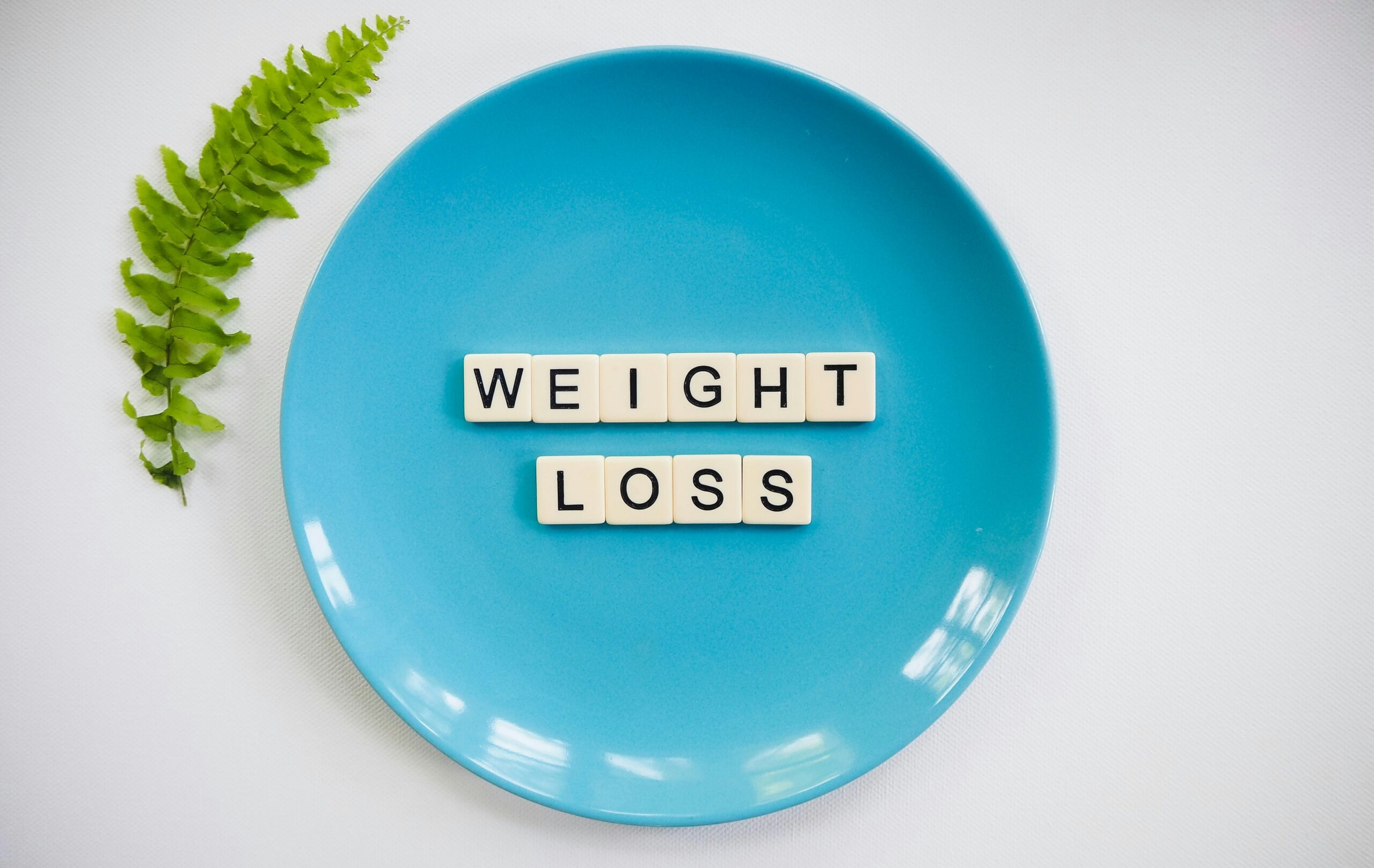
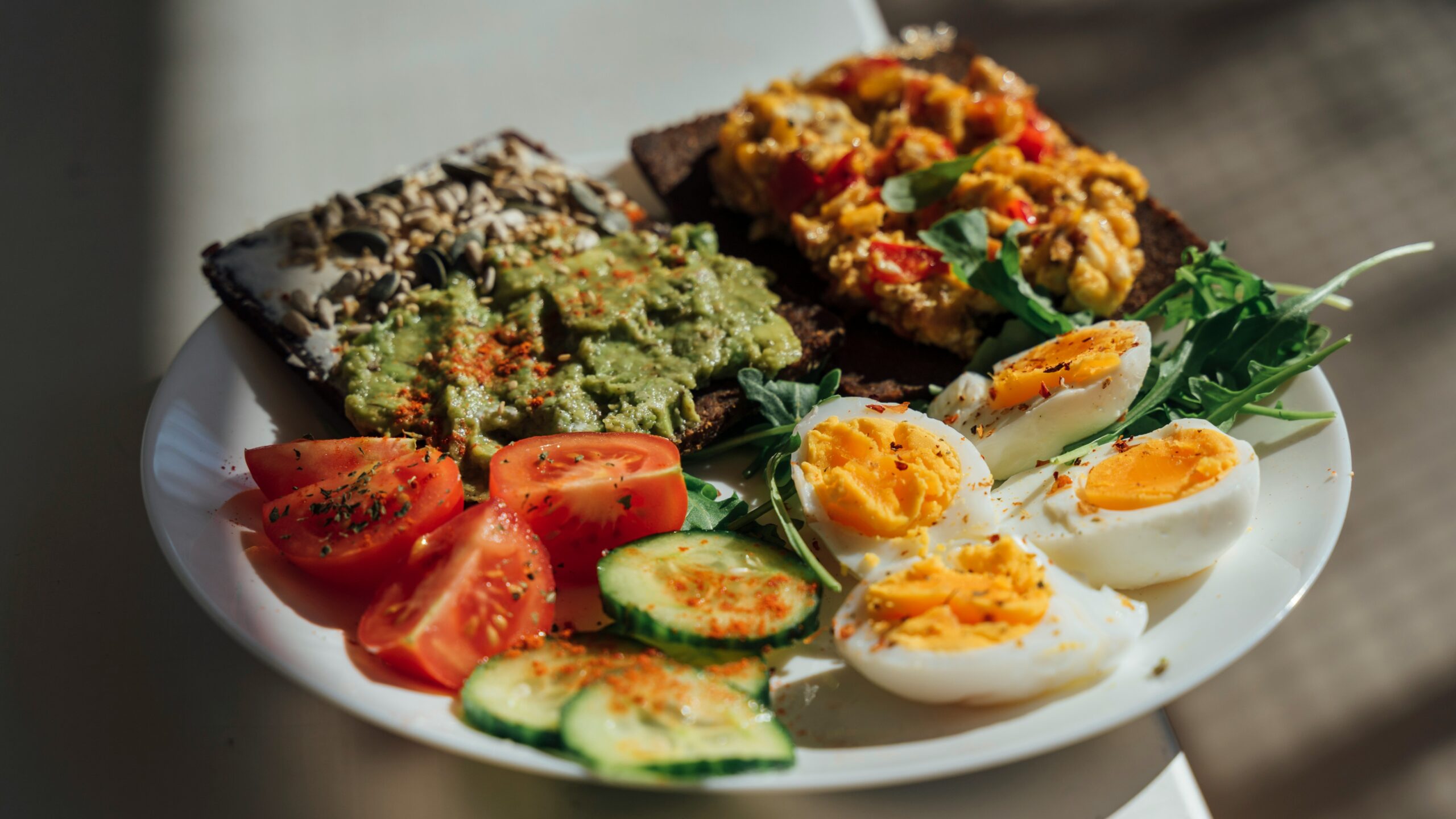
Photo by Sam Moghadam on Unsplash
Protein is one of the most important nutrients your body needs to build muscle, repair tissues, produce enzymes, support immunity, and maintain overall health. However, many people wonder whether eating too much protein can harm the liver. Questions about protein intake are especially common among individuals with fatty liver disease, cirrhosis, liver fibrosis, or those following high-protein diets for weight loss and fitness goals.
The truth is that protein is essential for liver health, and for most healthy individuals, moderate to high protein intake does not damage the liver. In fact, adequate protein consumption may help protect against muscle loss, support metabolism, and improve outcomes in people with certain liver conditions. Understanding how protein affects the liver can help you make informed dietary choices and maintain optimal liver function.
Why Protein Is Important for the Liver
The liver plays a major role in protein metabolism.
After protein is consumed, it is broken down into amino acids that the body uses for numerous functions, including:
- Building muscle tissue
- Producing enzymes
- Supporting immune health
- Repairing cells
- Creating hormones
- Maintaining organ function
The liver helps process these amino acids and converts excess nitrogen into urea, which is then removed from the body through the kidneys.
Without adequate protein intake, many critical bodily functions would become impaired.
Does Protein Damage a Healthy Liver?
For individuals with healthy liver function, there is little evidence that normal dietary protein intake harms the liver.
In fact, the liver is specifically designed to process protein efficiently. Most healthy adults can consume protein-rich foods as part of a balanced diet without increasing their risk of liver disease.
Protein-rich foods commonly include:
- Fish
- Poultry
- Lean meats
- Eggs
- Dairy products
- Beans
- Lentils
- Tofu
- Nuts
- Seeds
For most people, concerns about protein harming the liver are largely unfounded when protein is consumed within reasonable dietary ranges.
How Much Protein Do Adults Need?
Protein requirements vary depending on age, body size, activity level, and health status.
General guidelines often recommend approximately:
- 0.8 grams of protein per kilogram of body weight for average adults
- Higher amounts for athletes and highly active individuals
- Increased intake for older adults to help preserve muscle mass
For example, a person weighing 70 kilograms (154 pounds) would typically need at least 56 grams of protein daily as a baseline recommendation.
Individual needs may differ based on medical conditions and personal goals.
Protein and Fatty Liver Disease
Protein may actually play a beneficial role in managing fatty liver disease.
Fatty liver disease develops when excess fat accumulates inside liver cells, often due to obesity, insulin resistance, and metabolic dysfunction.
Higher-protein diets may help by:
- Supporting weight loss
- Increasing satiety
- Preserving muscle mass
- Improving blood sugar control
- Supporting metabolism
Because weight loss remains one of the most effective treatments for fatty liver disease, adequate protein intake may indirectly support liver recovery.
Can Protein Help Reduce Liver Fat?
Some studies suggest that higher protein intake may contribute to reductions in liver fat when combined with calorie control and healthy lifestyle changes.
Potential benefits include:
- Improved insulin sensitivity
- Better appetite control
- Reduced calorie intake
- Increased fat metabolism
However, overall dietary quality remains more important than protein intake alone.
A balanced eating pattern that includes vegetables, whole grains, healthy fats, and lean proteins generally provides the greatest benefit.
Animal Protein vs. Plant Protein
Not all protein sources are identical.
Animal-based proteins include:
- Chicken
- Turkey
- Fish
- Eggs
- Dairy
- Lean beef
Plant-based proteins include:
- Beans
- Lentils
- Chickpeas
- Soy products
- Quinoa
- Nuts
- Seeds
Many experts encourage incorporating more plant-based protein sources because they often provide additional fiber, antioxidants, and heart-healthy nutrients.
A combination of both animal and plant proteins can support overall liver health.
Protein and Weight Loss
Weight loss is one of the most effective ways to improve fatty liver disease.
Protein can help support weight-loss efforts by:
- Increasing fullness after meals
- Reducing hunger
- Helping preserve muscle mass
- Supporting healthy metabolism
Individuals attempting to lose weight often benefit from ensuring adequate protein intake while reducing excess calories.
Maintaining muscle mass during weight loss is particularly important for long-term metabolic health.
The Liver Needs Protein to Repair Itself
One common misconception is that people with liver disease should avoid protein.
In reality, the liver requires amino acids from protein to support tissue repair and recovery.
Adequate protein intake helps the body:
- Repair damaged tissues
- Produce important proteins
- Maintain immune function
- Preserve muscle mass
Restricting protein unnecessarily may actually worsen nutritional status in some individuals with liver disease.
Protein and Cirrhosis
Protein recommendations become more complex in advanced liver disease.
Years ago, some patients with cirrhosis were advised to limit protein intake due to concerns about hepatic encephalopathy, a condition involving changes in brain function caused by liver dysfunction.
Current medical guidance has changed significantly.
Today, many liver specialists recognize that protein restriction can contribute to malnutrition and muscle loss. As a result, adequate protein intake is often encouraged for individuals with cirrhosis under medical supervision.
Nutritional plans should always be individualized based on the patient’s condition.
What Is Hepatic Encephalopathy?
Hepatic encephalopathy occurs when the liver cannot effectively remove toxins from the bloodstream.
Symptoms may include:
- Confusion
- Memory problems
- Personality changes
- Difficulty concentrating
- Drowsiness
Although protein metabolism contributes to ammonia production, severe protein restriction is no longer routinely recommended for most patients.
Instead, healthcare providers often focus on treating underlying causes while maintaining adequate nutrition.
Can Too Much Protein Cause Problems?
Extremely high protein intake may not be appropriate for everyone.
Potential concerns include:
- Excess calorie consumption
- Digestive discomfort
- Nutritional imbalance
- Difficulty maintaining dietary variety
For most healthy individuals, however, high-protein diets do not appear to cause liver damage.
Those with advanced liver disease should consult healthcare providers regarding individualized protein recommendations.
Protein Supplements and Liver Health
Many athletes and fitness enthusiasts use protein powders and supplements.
Common options include:
- Whey protein
- Casein protein
- Soy protein
- Pea protein
- Rice protein
Most reputable protein supplements are generally considered safe when used appropriately.
However, consumers should be cautious with products that contain multiple added ingredients, stimulants, or unregulated compounds.
Some bodybuilding supplements have been associated with liver injury, particularly when products contain undeclared ingredients.
Best Protein Sources for Liver Health
Individuals seeking liver-friendly protein options may consider:
- Fish
- Skinless poultry
- Eggs
- Greek yogurt
- Cottage cheese
- Lentils
- Beans
- Chickpeas
- Tofu
- Edamame
These foods provide high-quality protein while supporting overall nutritional health.
The Role of Protein in Healthy Aging
As people age, maintaining muscle mass becomes increasingly important.
Adequate protein intake helps:
- Preserve strength
- Maintain mobility
- Support metabolism
- Reduce frailty risk
Because chronic liver disease may increase the likelihood of muscle loss, proper protein intake becomes even more important in older adults.
Building a Balanced Liver-Friendly Diet
Protein should be viewed as one component of a comprehensive nutrition plan.
A liver-supportive diet generally includes:
- Vegetables
- Fruits
- Whole grains
- Lean proteins
- Healthy fats
- Fiber-rich foods
Combining protein with these nutrient-dense foods helps support overall metabolic and liver health.
Signs You May Not Be Getting Enough Protein
Insufficient protein intake may contribute to:
- Muscle loss
- Fatigue
- Slow recovery
- Weakness
- Reduced immune function
- Poor wound healing
Individuals experiencing these symptoms should discuss their nutritional intake with a healthcare provider or registered dietitian.
When to Seek Medical Advice
People with existing liver disease should consult healthcare professionals before making major dietary changes.
This is especially important for individuals with:
- Cirrhosis
- Advanced fibrosis
- Hepatic encephalopathy
- Severe malnutrition
- Significant weight loss
Professional guidance can help ensure adequate nutrition while supporting liver health.
Final Thoughts on Protein Intake and Liver Health
Protein is an essential nutrient that supports numerous functions throughout the body, including many processes performed by the liver. For most healthy individuals, moderate to high protein intake does not harm the liver and may actually provide benefits for weight management, metabolic health, and muscle preservation.
For people with fatty liver disease, adequate protein intake can be an important part of a healthy lifestyle that supports liver recovery. While protein needs may vary in advanced liver disease, current evidence generally supports maintaining sufficient protein rather than restricting it unnecessarily. Combined with a balanced diet, regular exercise, and healthy lifestyle habits, proper protein intake can play a valuable role in supporting long-term liver health.
Related Posts



Available Liver Help