How Your Lifestyle May Be Damaging Your Liver Without You Knowing It

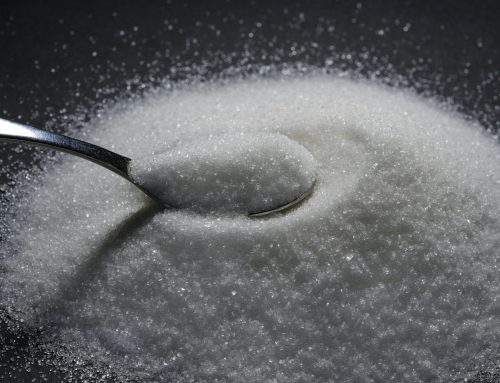
Photo by Shoeib Abolhassani on Unsplash
Most people associate liver disease with excessive alcohol consumption, but the reality is far more complex. Every day, millions of people unknowingly engage in habits that can gradually harm their liver. Poor diet choices, physical inactivity, chronic stress, inadequate sleep, and excess body weight can all contribute to liver damage over time, even in people who rarely drink alcohol.
Because the liver performs hundreds of essential functions, keeping it healthy is critical for overall wellness. The troubling part is that liver disease often develops silently, producing few symptoms until significant damage has already occurred. Understanding how lifestyle choices affect liver health can help you take steps to protect one of the hardest-working organs in your body.
Why the Liver Is So Important
The liver is the largest internal organ and serves as the body’s primary processing center.
Its responsibilities include:
- Filtering toxins from the blood
- Processing nutrients from food
- Regulating blood sugar levels
- Producing bile for digestion
- Storing vitamins and minerals
- Metabolizing medications
- Managing cholesterol levels
- Supporting immune function
Because the liver is involved in so many vital processes, even gradual damage can affect overall health in significant ways.
Liver Disease Often Develops Without Symptoms
One reason liver disease is frequently overlooked is that it may not cause obvious symptoms in its early stages.
Many individuals with liver problems feel perfectly healthy while damage slowly progresses. By the time symptoms such as fatigue, abdominal discomfort, jaundice, or swelling appear, liver disease may already be advanced.
This silent progression is why prevention and healthy lifestyle habits are so important.
Poor Diet Can Lead to Fatty Liver Disease
One of the biggest threats to liver health is a poor diet.
Regular consumption of highly processed foods, sugary drinks, refined carbohydrates, and excess calories can cause fat to accumulate within liver cells. Over time, this may lead to Metabolic Dysfunction-Associated Steatotic Liver Disease (MASLD), previously known as Nonalcoholic Fatty Liver Disease (NAFLD).
Foods that may contribute to liver fat accumulation include:
- Sugary sodas
- Candy
- Processed snacks
- Fast food
- White bread
- Pastries
- Sweetened coffee beverages
Reducing these foods and focusing on nutrient-dense options may help protect liver function.
Excess Sugar Is Especially Harmful
Many people underestimate how much sugar they consume each day.
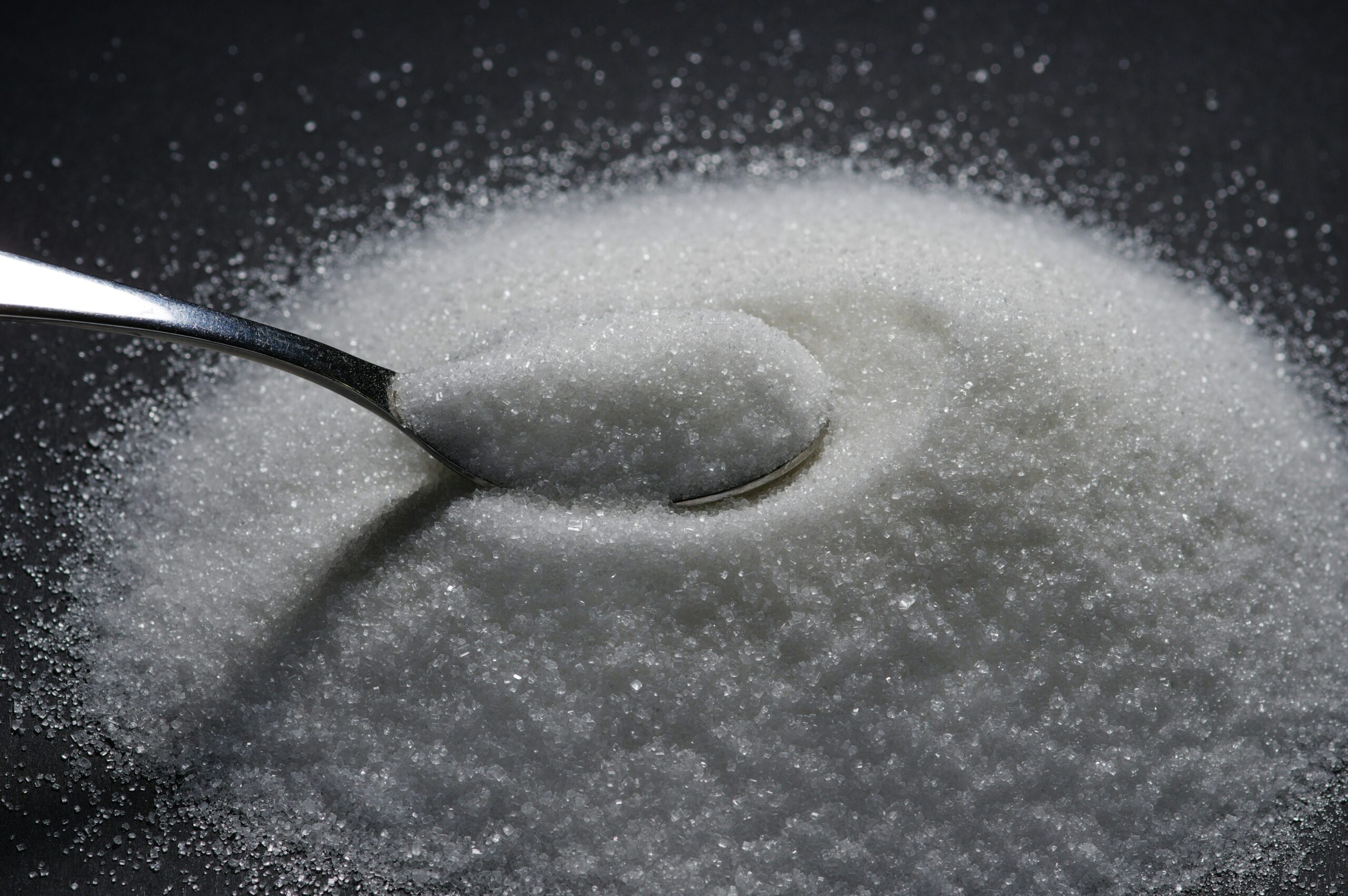
High intake of added sugars, particularly fructose, has been strongly associated with increased liver fat production. Unlike some nutrients, excess fructose is primarily processed by the liver, placing additional metabolic stress on the organ.
Common hidden sources of sugar include:
- Sports drinks
- Fruit-flavored beverages
- Breakfast cereals
- Granola bars
- Flavored yogurt
- Condiments and sauces
Carefully reading nutrition labels can help reduce unnecessary sugar consumption.
Sitting Too Much Can Affect Liver Health
Modern lifestyles often involve prolonged periods of sitting.
Whether working at a desk, commuting, or relaxing in front of a screen, many adults spend most of the day sedentary.
Research has linked excessive sitting to:
- Weight gain
- Insulin resistance
- Metabolic syndrome
- Increased liver fat
- Higher risk of fatty liver disease
Even individuals who exercise regularly may benefit from reducing overall sedentary time throughout the day.
Lack of Exercise Increases Liver Disease Risk
Physical activity is one of the most effective ways to support liver health.
Regular exercise helps:
- Reduce liver fat
- Improve insulin sensitivity
- Lower inflammation
- Support weight management
- Improve blood sugar control
Unfortunately, many people fail to meet recommended activity levels.
A sedentary lifestyle may gradually increase the risk of developing fatty liver disease and other metabolic disorders that affect liver function.
Excess Body Weight Places Stress on the Liver
Obesity remains one of the strongest risk factors for fatty liver disease.
Excess body fat, particularly around the abdomen, increases the likelihood of insulin resistance and liver fat accumulation.
As weight increases, the liver often becomes less efficient at processing fats and sugars. This can lead to inflammation and eventually more serious liver conditions.
Even modest weight loss may significantly improve liver health and reduce liver fat levels.
Chronic Stress May Indirectly Harm the Liver
Stress affects far more than emotional well-being.
Long-term stress can contribute to:
- Poor dietary choices
- Weight gain
- Sleep disturbances
- Hormonal imbalances
- Increased inflammation
These factors may indirectly increase the risk of liver disease over time.
Managing stress through healthy coping strategies can support both mental health and liver function.
Sleep Deprivation and Liver Damage
Sleep plays an essential role in metabolic health.
Poor sleep has been associated with:
- Insulin resistance
- Obesity
- Increased inflammation
- Blood sugar abnormalities
- Fatty liver disease
Individuals who consistently sleep fewer than the recommended seven to nine hours may face a greater risk of metabolic dysfunction that impacts liver health.
Improving sleep quality may be one of the most overlooked ways to support the liver.
Alcohol Is Not the Only Liver Threat
While excessive alcohol consumption remains a major cause of liver disease, many people mistakenly believe that avoiding alcohol completely eliminates their risk.
In reality, nonalcoholic fatty liver disease has become one of the most common liver conditions worldwide.
Individuals who rarely drink alcohol may still develop significant liver disease if they have:
- Obesity
- Type 2 diabetes
- High cholesterol
- Poor dietary habits
- Sedentary lifestyles
This highlights the importance of looking beyond alcohol when evaluating liver health.
Uncontrolled Diabetes Can Damage the Liver
Diabetes and liver disease are closely connected.
High blood sugar levels and insulin resistance can encourage fat accumulation in the liver. Over time, this may contribute to inflammation, fibrosis, and progressive liver damage.
People with type 2 diabetes face a substantially increased risk of developing fatty liver disease and related complications.
Maintaining healthy blood sugar levels benefits both diabetes management and liver health.
High Cholesterol and Triglycerides Affect Liver Function
Abnormal cholesterol and triglyceride levels often accompany fatty liver disease.
When blood lipid levels remain elevated, excess fat may be deposited in the liver. This contributes to metabolic dysfunction and increases the likelihood of liver inflammation.
Managing cholesterol through healthy eating, exercise, and medical treatment when necessary can help support liver health.
Certain Medications and Supplements May Stress the Liver
Many people assume that all medications and supplements are harmless when used casually.
However, some substances can affect liver function, particularly when taken in high doses or combined with other products.
Potential concerns include:
- Excessive acetaminophen use
- Certain herbal supplements
- Some prescription medications
- Multiple drug interactions
Always follow dosage recommendations and discuss supplement use with healthcare providers.
Smoking and Liver Health
Smoking is commonly associated with lung disease and cardiovascular problems, but it may also affect the liver.
Tobacco use has been linked to:
- Increased oxidative stress
- Inflammation
- Greater risk of fibrosis
- Worsening liver disease progression
Quitting smoking offers benefits for nearly every organ in the body, including the liver.
Dehydration Can Affect Metabolic Function
Water supports numerous physiological processes, including those involving the liver.
While dehydration alone does not typically cause liver disease, inadequate hydration may contribute to reduced metabolic efficiency and overall health.
Replacing sugary beverages with water can support both hydration and liver health goals.
The Liver Has an Amazing Ability to Heal
One of the most remarkable aspects of the liver is its regenerative capacity.
Unlike many organs, the liver can repair and regenerate damaged tissue when harmful influences are removed.
Individuals who address risk factors early may experience improvements in:
- Liver fat levels
- Liver enzyme values
- Inflammation
- Overall liver function
This ability makes lifestyle changes particularly powerful for preventing and managing liver disease.
Signs Your Liver May Be Under Stress
Early liver disease often causes few symptoms, but warning signs may eventually develop.
Potential symptoms include:
- Fatigue
- Weakness
- Abdominal discomfort
- Loss of appetite
- Unexplained weight changes
- Dark urine
- Yellowing of the skin or eyes
Medical evaluation is important if these symptoms occur.
Simple Lifestyle Changes That Support Liver Health
Protecting the liver does not require extreme measures.
Helpful habits include:
- Eating a balanced diet
- Exercising regularly
- Maintaining a healthy weight
- Limiting added sugars
- Managing stress
- Getting adequate sleep
- Staying hydrated
- Avoiding tobacco products
- Monitoring blood sugar and cholesterol
Consistent small changes often produce significant long-term benefits.
Final Thoughts on Lifestyle and Liver Health
Many of the most common causes of liver damage are hidden within everyday habits. Poor nutrition, physical inactivity, chronic stress, insufficient sleep, obesity, and uncontrolled metabolic conditions can all contribute to liver disease without obvious warning signs. Because liver damage often develops silently, prevention is one of the most powerful tools available.
The good news is that the liver is remarkably resilient. By making healthier lifestyle choices today, you can reduce liver fat, improve liver function, and lower your risk of chronic liver disease in the future. Small changes made consistently can have a lasting impact on both liver health and overall well-being.
Related Posts




Available Liver Help