The Best Diet for Liver Health: Top Foods That Support Liver Function and Long-Term Wellness
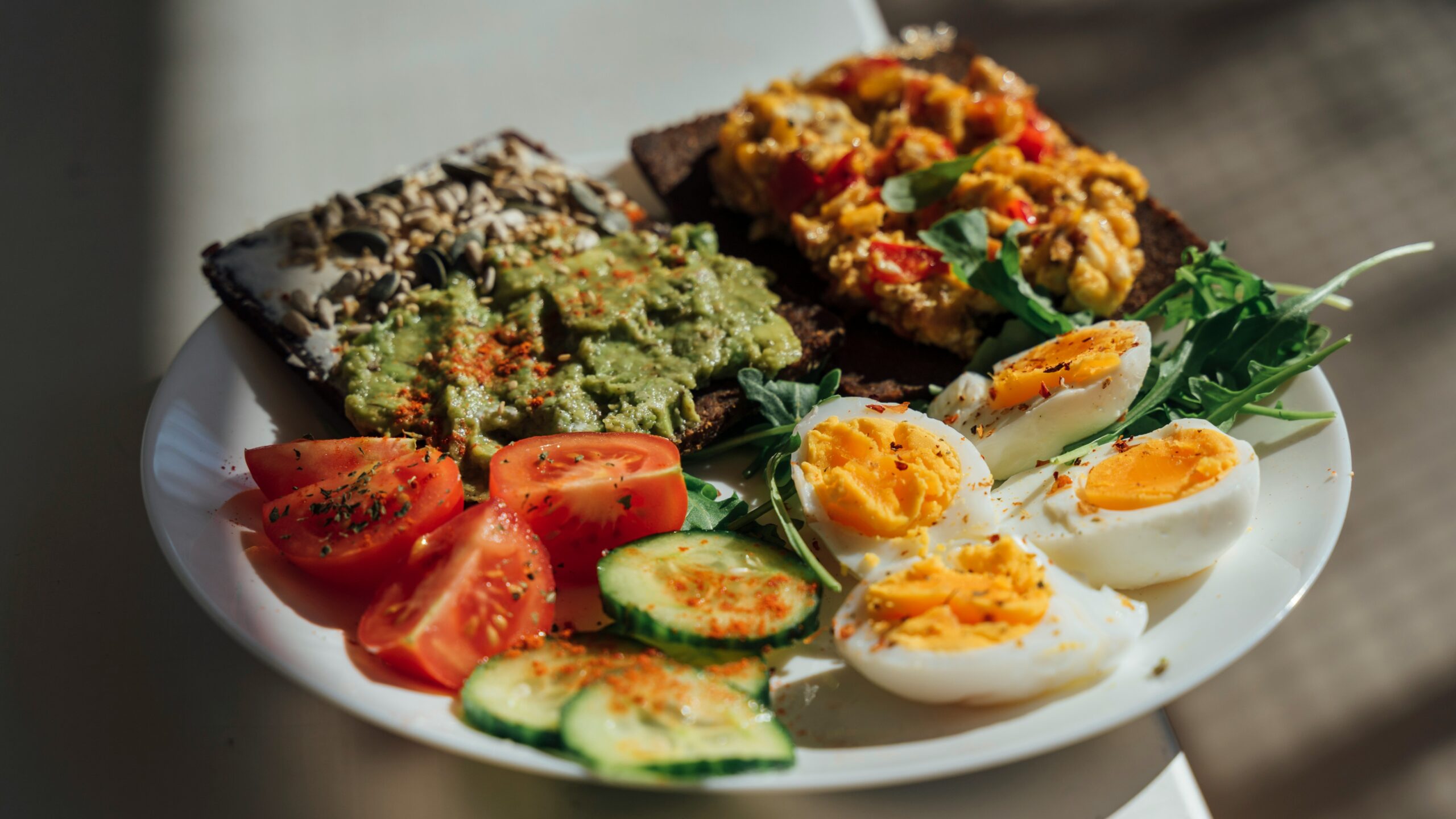
Your liver performs hundreds of essential tasks every day, from filtering toxins and processing nutrients to regulating metabolism and supporting digestion. Because the liver works continuously behind the scenes, the foods you eat can have a major impact on how well it functions. A healthy diet can help reduce inflammation, prevent fat accumulation, and support the liver’s natural ability to repair itself.
Many people search for miracle foods that instantly detoxify the liver, but the reality is that long-term dietary habits have the greatest influence on liver health. Choosing nutrient-dense foods consistently can help protect against fatty liver disease, support healthy liver enzymes, and promote overall wellness.
Why Diet Plays a Critical Role in Liver Health
Everything you eat eventually passes through the liver. This vital organ processes nutrients, converts food into energy, stores vitamins and minerals, and removes harmful substances from the bloodstream.
When a diet is high in sugar, processed foods, unhealthy fats, and excess calories, the liver may begin storing fat within its cells. Over time, this can contribute to metabolic dysfunction, inflammation, and fatty liver disease. On the other hand, a balanced diet rich in whole foods provides the nutrients necessary to support optimal liver function.
Healthy eating is often one of the first recommendations physicians make for individuals with elevated liver enzymes or fatty liver disease.
The Mediterranean Diet Is Often Considered the Best Diet for Liver Health
Many healthcare professionals recommend the Mediterranean diet as one of the most effective eating patterns for supporting liver function.
This diet focuses on whole, minimally processed foods such as vegetables, fruits, legumes, nuts, seeds, fish, olive oil, and whole grains. These foods provide antioxidants, fiber, healthy fats, and essential nutrients that help reduce inflammation throughout the body.
Research continues to show that Mediterranean-style eating may reduce liver fat, improve metabolic health, and lower the risk of progression in people with fatty liver disease.
Leafy Green Vegetables Support Natural Liver Function
Leafy greens are among the most nutrient-dense foods available and can be an excellent addition to a liver-friendly diet.
Vegetables such as spinach, kale, arugula, collard greens, and Swiss chard contain vitamins, minerals, antioxidants, and plant compounds that support overall health. Their high fiber content also helps regulate digestion and blood sugar levels.
Including a variety of green vegetables throughout the week may help reduce oxidative stress and support the body’s natural detoxification processes.
Fatty Fish Provide Liver-Friendly Omega-3 Fatty Acids
Fatty fish are often recommended for people seeking to improve liver health naturally.
Options such as salmon, sardines, mackerel, trout, and herring contain omega-3 fatty acids that may help reduce inflammation and improve lipid metabolism. Omega-3s have been studied for their potential role in lowering liver fat accumulation and supporting cardiovascular health.
Replacing highly processed protein sources with fatty fish several times per week may benefit both liver health and overall wellness.
Nuts and Seeds Deliver Important Nutrients for Liver Support
Nuts and seeds offer a combination of healthy fats, fiber, protein, vitamins, and antioxidants that support multiple aspects of health.
Almonds, walnuts, chia seeds, flaxseeds, and pumpkin seeds are particularly popular choices. Walnuts contain omega-3 fatty acids, while many seeds provide plant-based nutrients that support metabolic function.
Adding moderate portions of nuts and seeds to meals and snacks may help improve dietary quality while supporting liver-friendly eating habits.
Coffee May Benefit Liver Health
Coffee has become one of the most researched beverages in liver health studies.
Multiple studies have suggested that regular coffee consumption may be associated with healthier liver enzyme levels and a lower risk of certain liver conditions. Coffee contains antioxidants and naturally occurring compounds that appear to support liver function.
While coffee is not a cure for liver disease, moderate consumption may be a beneficial part of an overall healthy lifestyle for many individuals.
Fruits Rich in Antioxidants May Help Protect the Liver
Colorful fruits provide valuable vitamins, minerals, fiber, and antioxidant compounds that help combat oxidative stress.
Berries, grapes, citrus fruits, apples, and pomegranates are commonly recommended as part of a liver-supportive diet. Antioxidants help neutralize free radicals that can contribute to inflammation and cellular damage.
Choosing whole fruits instead of sugary fruit products provides the greatest nutritional benefit.
Whole Grains Support Metabolic and Liver Health
Whole grains provide complex carbohydrates, dietary fiber, and important nutrients that support digestion and stable blood sugar levels.
Examples include:
- Oats
- Brown rice
- Quinoa
- Barley
- Whole wheat
- Farro
Unlike refined grains, whole grains are digested more slowly and may help reduce blood sugar spikes that can contribute to metabolic dysfunction and liver fat accumulation.
Healthy Fats Are Better Than Processed Fats
Not all dietary fats affect the liver in the same way.
Healthy fats found in olive oil, avocados, nuts, seeds, and fatty fish can support heart health and reduce inflammation. These foods are commonly included in dietary plans designed to improve metabolic health.
In contrast, excessive consumption of trans fats and highly processed foods may increase inflammation and contribute to fatty liver disease.
Making simple substitutions toward healthier fat sources can positively impact long-term liver function.
Foods to Limit for Better Liver Health
While many foods support liver function, others may place unnecessary stress on the liver when consumed frequently.
Foods commonly limited in liver-friendly diets include:
- Sugary beverages
- Candy and desserts
- Processed snack foods
- Fast food
- Refined carbohydrates
- Excessive alcohol
- Highly processed meats
- Foods high in trans fats
Reducing these items can help lower calorie intake, improve metabolic health, and reduce liver fat accumulation.
Hydration Matters for Liver Function
Water plays an important role in countless bodily functions, including those performed by the liver.
Proper hydration supports circulation, digestion, nutrient transport, and waste removal. While water itself does not “detox” the liver, staying hydrated helps the body operate efficiently.
Many health professionals recommend replacing sugary drinks with water whenever possible to support both liver health and weight management.
Can Diet Help Reverse Fatty Liver Disease?
For many people, dietary improvements are one of the most effective strategies for addressing fatty liver disease.
A balanced eating plan combined with regular exercise and weight management can significantly reduce liver fat levels. In some cases, patients experience normalization of liver enzymes and measurable improvements in imaging studies after making sustained lifestyle changes.
The key is consistency. Long-term healthy eating patterns generally produce better results than short-term restrictive diets.
Building a Daily Liver-Friendly Meal Plan
A simple liver-supportive meal plan might include:
Breakfast:
Oatmeal topped with berries and walnuts.
Lunch:
Grilled salmon with mixed greens, olive oil dressing, and quinoa.
Snack:
Fresh fruit with a handful of almonds.
Dinner:
Lean protein with roasted vegetables and brown rice.
This type of eating pattern provides fiber, antioxidants, healthy fats, and nutrient-rich foods that support overall liver wellness.
Lifestyle Habits That Work Alongside a Healthy Diet
Nutrition is only one piece of the liver health puzzle.
Additional habits that support liver function include:
- Regular physical activity
- Maintaining a healthy body weight
- Getting adequate sleep
- Managing stress levels
- Avoiding tobacco use
- Limiting alcohol intake
- Following medical recommendations
When combined with a healthy diet, these habits can help create an environment that supports long-term liver health.
Final Thoughts on the Best Foods for Liver Health
The best diet for liver health is not based on a single superfood or quick-fix cleanse. Instead, it focuses on consistently choosing nutrient-dense foods that support the liver’s many vital functions. Vegetables, fruits, whole grains, fatty fish, nuts, seeds, healthy fats, and adequate hydration all play important roles in maintaining a healthy liver.
Whether your goal is preventing liver disease, supporting recovery from fatty liver, or simply improving overall wellness, adopting a balanced, liver-friendly eating pattern can be one of the most effective steps you take for your long-term health.
Related Posts


Available Liver Help