
Liver Care Tips for Office Workers: How to Protect Your Liver While Working a Desk Job

Photo by Tim van der Kuip on Unsplash
Modern office jobs have made life more convenient, but they have also created new health challenges. Long hours of sitting, limited physical activity, workplace stress, unhealthy snacks, and irregular eating habits can all take a toll on the body. While many office workers focus on preventing back pain or weight gain, few realize that these same habits can negatively affect liver health.
The liver plays a central role in metabolism, energy production, blood sugar regulation, and detoxification. When daily routines become increasingly sedentary, the risk of fatty liver disease, obesity, insulin resistance, and other metabolic disorders rises significantly. Fortunately, simple lifestyle adjustments can help office workers protect their liver and support long-term health.
Why Office Workers Should Pay Attention to Liver Health
The liver performs hundreds of essential functions every day. It processes nutrients, filters waste products, regulates blood sugar levels, stores vitamins, and helps the body break down fats.
Many workplace habits directly impact these functions. Hours spent sitting, combined with poor dietary choices and chronic stress, can increase the likelihood of developing metabolic dysfunction-associated steatotic liver disease (MASLD), commonly known as fatty liver disease.
Because liver disease often develops silently, many people do not realize their liver is under stress until routine blood work reveals abnormal results.
The Hidden Impact of Sitting All Day
One of the biggest challenges facing office workers is prolonged sitting.
Research has linked excessive sedentary behavior to:
- Weight gain
- Insulin resistance
- Poor circulation
- Higher blood sugar levels
- Increased liver fat accumulation
- Metabolic syndrome
Even individuals who exercise regularly can experience negative health effects if they remain seated for most of the day.
Breaking up long periods of sitting may help reduce some of these risks and support healthier liver function.
Fatty Liver Disease Is Increasing Among Desk Workers
Fatty liver disease has become one of the most common chronic health conditions worldwide.
The condition develops when excess fat accumulates inside liver cells. Office workers may be particularly vulnerable because many spend eight or more hours each day sitting while consuming calorie-dense foods and beverages.
Risk factors include:
- Obesity
- Type 2 diabetes
- High cholesterol
- Insulin resistance
- Physical inactivity
- Poor diet
Fortunately, many cases of early-stage fatty liver disease can be improved through lifestyle changes.
Take Movement Breaks Throughout the Day
One of the simplest ways to support liver health is to move more frequently.
Try standing up and walking for a few minutes every hour. Short movement breaks can help improve circulation, increase calorie expenditure, and support healthy metabolism.
Simple activities include:
- Walking around the office
- Taking the stairs
- Stretching
- Standing during phone calls
- Walking during meetings
Small bursts of movement performed consistently can add up over time.
Make Exercise a Non-Negotiable Habit
Regular exercise is one of the most effective ways to reduce liver fat and improve liver function.
Physical activity helps:
- Improve insulin sensitivity
- Promote weight management
- Lower inflammation
- Reduce liver fat
- Improve cardiovascular health
Office workers should aim for a combination of aerobic exercise and strength training each week.
Even brisk walking after work can provide meaningful benefits for liver health.
Choose Liver-Friendly Foods at Work
Workplace eating habits can significantly affect liver function.
Many offices are filled with:
- Sugary snacks
- Processed foods
- Fast food lunches
- Sweetened beverages
These foods may contribute to weight gain and increased liver fat accumulation.
Instead, focus on nutrient-dense options such as:
- Fresh vegetables
- Fruit
- Nuts
- Whole grains
- Lean proteins
- Greek yogurt
- Salads
- High-fiber snacks
Healthier food choices can support both liver health and sustained energy levels throughout the workday.
Avoid Excessive Sugar Consumption
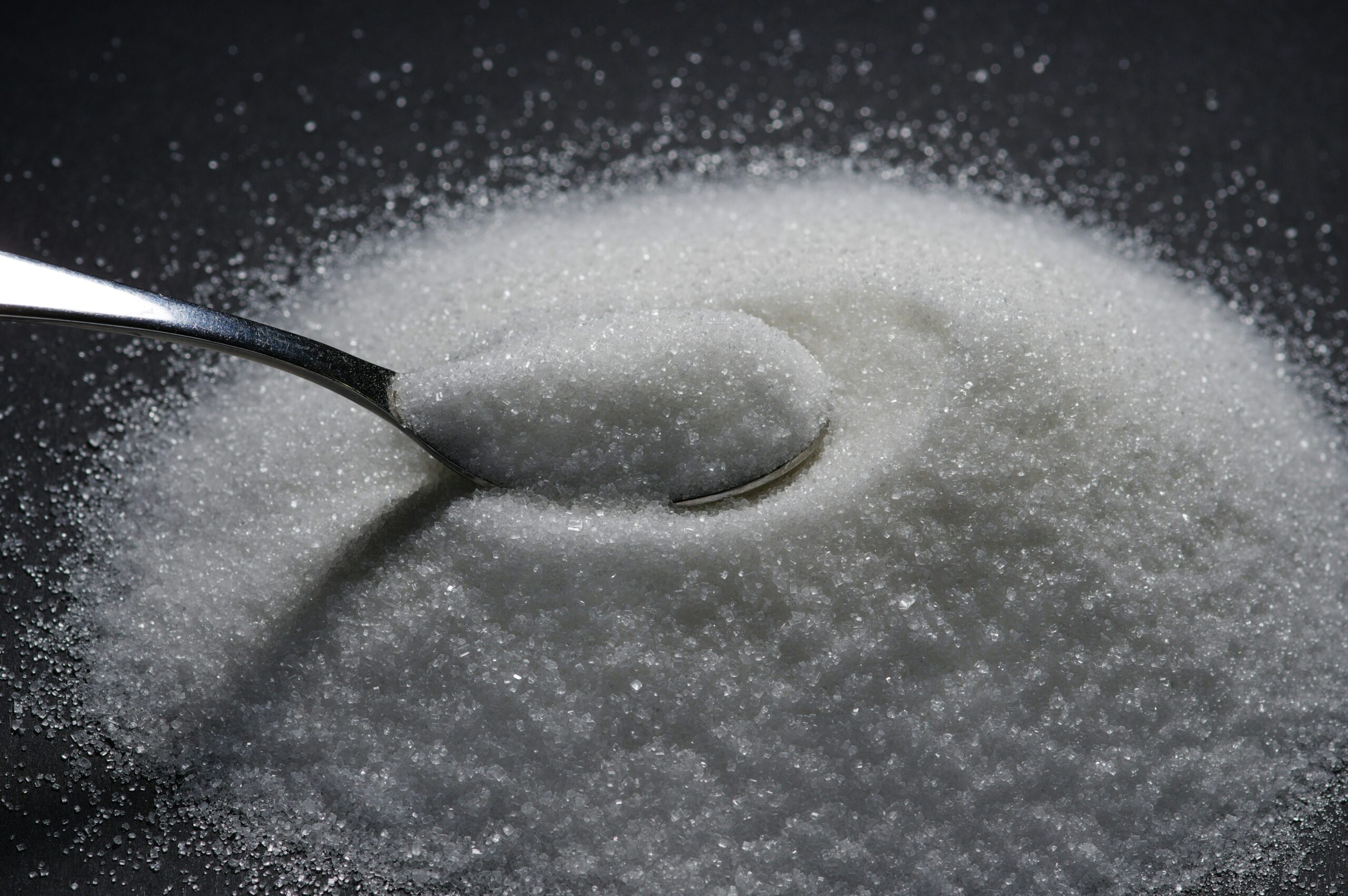
Added sugar is one of the most important dietary factors associated with fatty liver disease.
Many office workers consume large amounts of sugar through:
- Soft drinks
- Specialty coffee drinks
- Energy drinks
- Candy
- Pastries
- Processed snacks
Excess sugar, particularly fructose, can promote fat production within the liver.
Reducing sugary beverages is often one of the most effective steps for improving liver health.
Stay Properly Hydrated
Hydration supports numerous bodily functions, including healthy liver activity.
Water helps transport nutrients, remove waste products, and support metabolic processes.
Office workers frequently underestimate how much water they need during the day.
Helpful hydration tips include:
- Keeping a water bottle at your desk
- Drinking water before meals
- Choosing water instead of soda
- Setting hydration reminders
Consistent hydration supports overall health and may help reduce unnecessary calorie consumption from sugary drinks.
Be Careful With Workplace Snacking
Mindless snacking is common in office environments.
Many people eat out of boredom, stress, or convenience rather than hunger.
Frequent consumption of high-calorie snacks can contribute to:
- Weight gain
- Elevated blood sugar
- Increased liver fat
- Metabolic dysfunction
Planning healthy snacks ahead of time can reduce the temptation to rely on vending machines or office treats.
Manage Stress for Better Liver Health
Chronic stress affects more than mental well-being.
Long-term stress may contribute to:
- Poor dietary habits
- Weight gain
- Sleep disturbances
- Hormonal imbalances
- Increased inflammation
These factors can indirectly affect liver health over time.
Stress-management techniques may include:
- Meditation
- Deep breathing exercises
- Walking breaks
- Mindfulness practices
- Regular physical activity
Reducing stress supports both mental and physical health.
Prioritize Quality Sleep
Many office workers sacrifice sleep to meet deadlines or manage busy schedules.
Poor sleep has been linked to:
- Insulin resistance
- Weight gain
- Increased inflammation
- Metabolic dysfunction
- Fatty liver disease
Most adults benefit from seven to nine hours of quality sleep each night.
Establishing consistent sleep habits may improve both liver health and workplace performance.
Watch Your Alcohol Intake
After-work social events often involve alcohol consumption.
While moderate drinking may fit within some lifestyles, excessive alcohol use can place significant stress on the liver.
Over time, heavy alcohol consumption may contribute to:
- Fatty liver disease
- Alcoholic hepatitis
- Fibrosis
- Cirrhosis
Individuals concerned about liver health should be mindful of both the frequency and quantity of alcohol intake.
Monitor Your Weight
Maintaining a healthy body weight is one of the most effective ways to protect the liver.
Excess body fat, particularly abdominal fat, is strongly associated with fatty liver disease and insulin resistance.
Regular monitoring can help identify gradual weight changes before they become significant health concerns.
Even modest weight loss may lead to measurable improvements in liver function and liver fat levels.
Get Regular Health Screenings
Because liver disease often develops without symptoms, routine medical evaluations are important.
Office workers should consider regular monitoring of:
- Liver enzymes
- Blood sugar
- Cholesterol levels
- Blood pressure
- Body weight
Early detection allows healthcare providers to identify potential problems before significant liver damage occurs.
Be Mindful of Medications and Supplements
Many office workers use over-the-counter medications, vitamins, and supplements regularly.
Although most are safe when used appropriately, some substances can affect liver function.
Always:
- Follow dosage instructions
- Avoid unnecessary medications
- Discuss supplements with healthcare providers
- Read ingredient labels carefully
Responsible use helps minimize liver-related risks.
Build Healthy Habits Into Your Workday
Long-term liver health is usually the result of consistent daily habits rather than dramatic changes.
Simple actions such as:
- Taking the stairs
- Drinking more water
- Packing healthy lunches
- Exercising regularly
- Getting adequate sleep
can have a meaningful impact when practiced consistently.
Small improvements often produce significant benefits over time.
Signs Your Liver May Need Attention
Liver disease frequently develops without noticeable symptoms, but warning signs can sometimes appear.
Potential symptoms include:
- Persistent fatigue
- Abdominal discomfort
- Unexplained weight changes
- Loss of appetite
- Dark urine
- Yellowing of the skin or eyes
Anyone experiencing these symptoms should seek medical evaluation promptly.
Final Thoughts on Liver Care for Office Workers
Office work may not seem directly related to liver health, but many common workplace habits can increase the risk of fatty liver disease and other metabolic conditions. Long hours of sitting, poor nutrition, stress, inadequate sleep, and limited physical activity can all place added strain on the liver over time.
The good news is that simple lifestyle changes can make a significant difference. By staying active, eating nutrient-rich foods, managing stress, maintaining a healthy weight, and prioritizing sleep, office workers can support their liver, improve overall wellness, and reduce the risk of chronic liver disease for years to come.
Related Posts





Available Liver Help