How Your Lifestyle Is Damaging Your Liver Without You Knowing
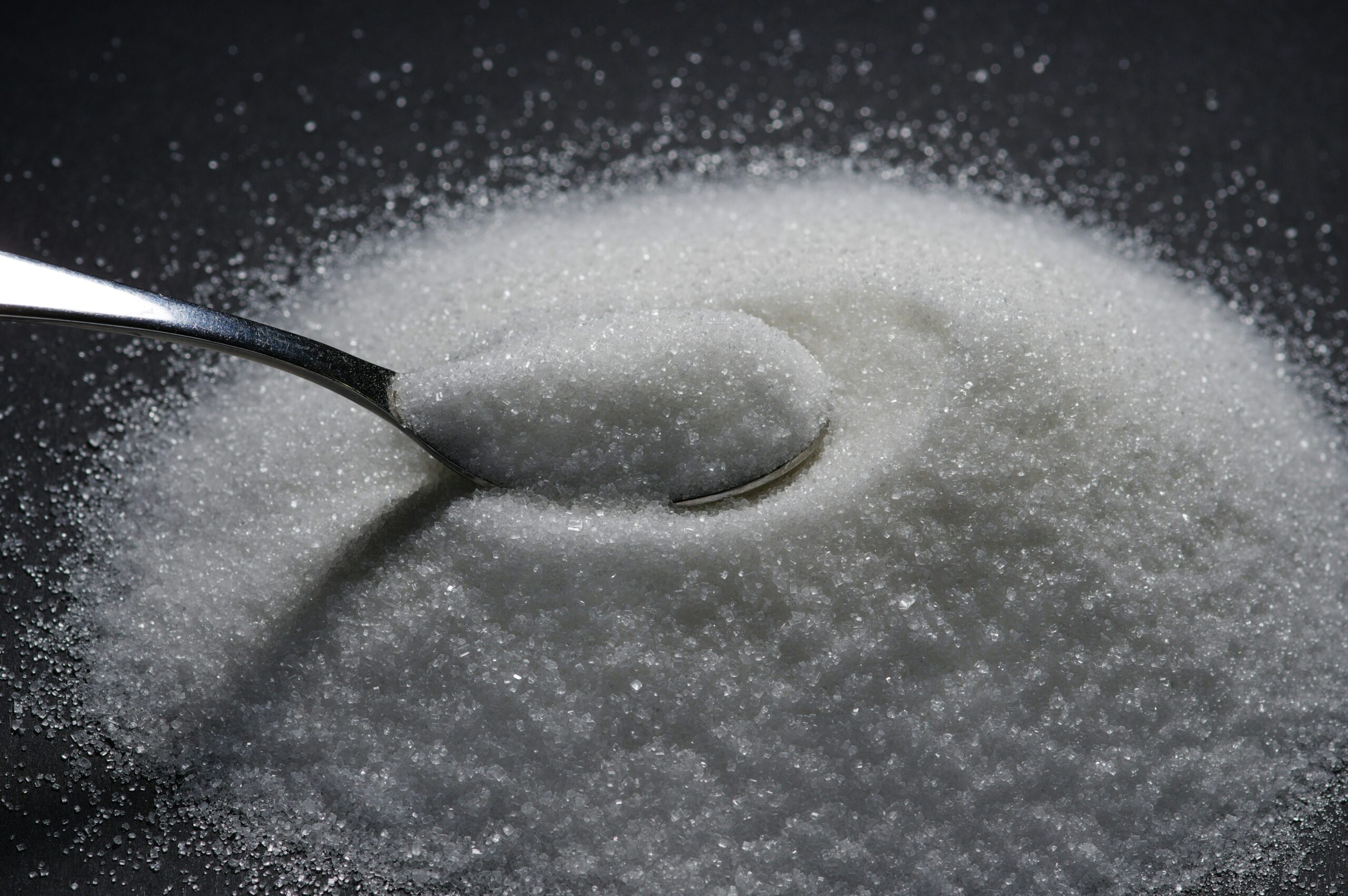
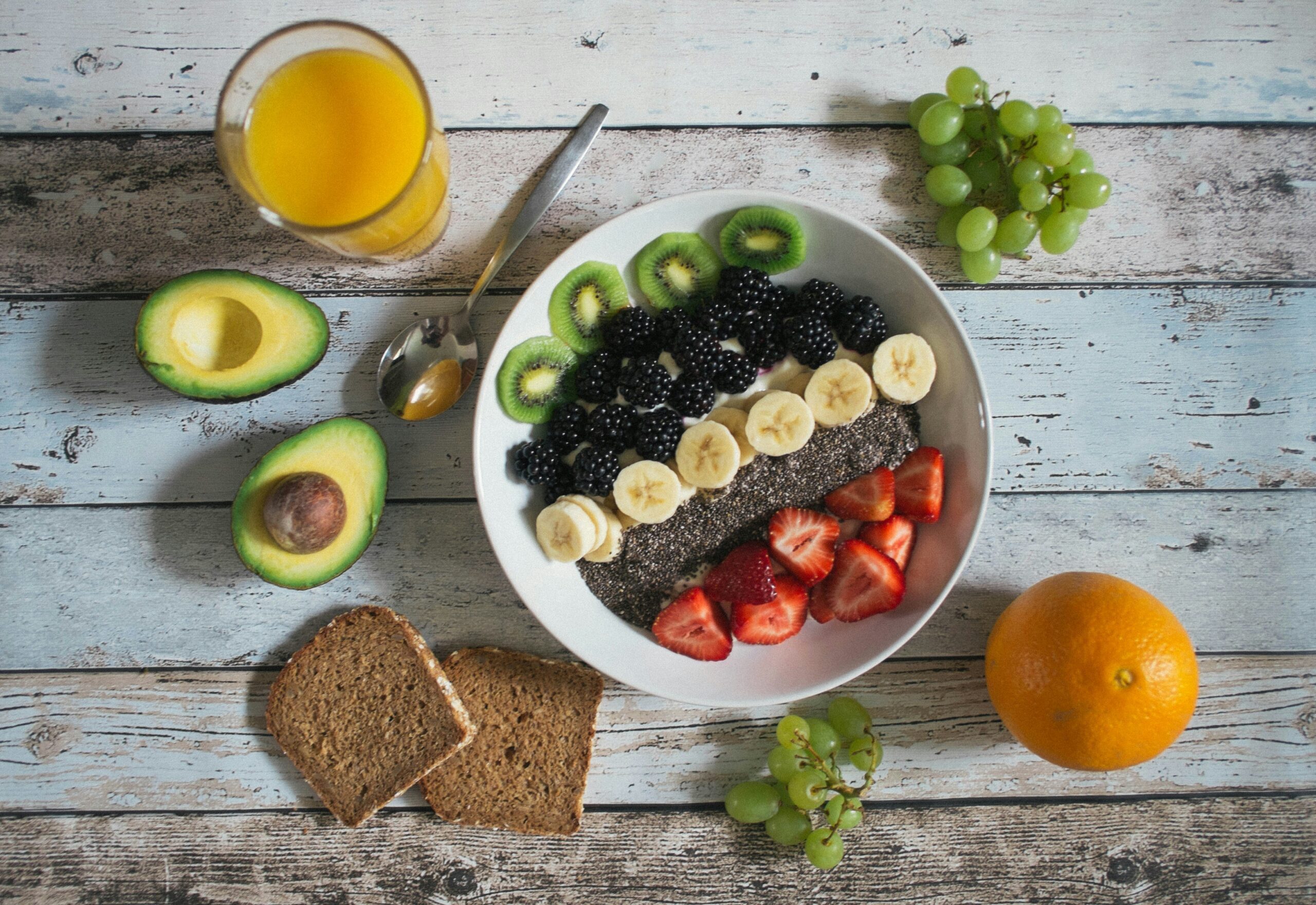
Photo by Immo Wegmann on Unsplash
Your liver is one of the hardest-working organs in your body, yet most people rarely think about it until a serious health problem develops. Every day, your liver filters toxins, processes nutrients, regulates blood sugar, stores vitamins, and helps digest food. Unfortunately, many common lifestyle habits can silently damage the liver for years before symptoms appear.
The alarming reality is that liver disease often develops without obvious warning signs. Many people assume that excessive alcohol consumption is the only threat to liver health, but modern lifestyles are creating a growing epidemic of liver damage among people who rarely drink alcohol. Poor diet, inactivity, excessive sugar intake, chronic stress, and even certain supplements can contribute to liver dysfunction over time. Research shows that obesity, metabolic syndrome, and fatty liver disease are becoming increasingly common due to everyday habits.
Why Your Liver Is So Important
The liver performs more than 500 vital functions within the human body. It acts as a natural filtration system that removes harmful substances from your bloodstream while processing nutrients from the foods you eat. The liver also produces bile, which helps digest fats, stores glycogen for energy, and assists in regulating hormones.
Because the liver is responsible for detoxifying the body, it is particularly vulnerable to damage from unhealthy lifestyle choices. When the liver becomes overwhelmed, fat can accumulate within liver cells, inflammation can develop, and scar tissue may eventually form. Over time, this process can progress into serious liver disease if left unchecked.
Excessive Sugar Consumption Is Damaging Your Liver
One of the biggest threats to liver health is excessive sugar consumption. Many people consume large amounts of sugar through soft drinks, energy drinks, flavored coffees, desserts, breakfast cereals, and processed snacks without realizing the impact on their liver.
Fructose, a type of sugar commonly found in sweetened beverages and processed foods, is primarily processed by the liver. When consumed in excess, the liver converts fructose into fat. Over time, this can lead to fatty liver disease, a condition in which fat accumulates within liver cells and interferes with normal liver function.
Even individuals who do not consume alcohol can develop nonalcoholic fatty liver disease due to high sugar intake and poor dietary habits.
A Sedentary Lifestyle Can Lead To Fatty Liver Disease
Many people spend most of their day sitting at a desk, driving, or watching television. Unfortunately, a sedentary lifestyle can significantly increase the risk of liver damage.
Physical inactivity slows metabolism, promotes weight gain, and contributes to insulin resistance. These factors increase the likelihood of developing fatty liver disease. Lack of exercise also makes it harder for the body to burn excess fat, causing more fat to accumulate in the liver.
Regular physical activity helps improve insulin sensitivity, reduce liver fat, and support overall liver health. Even moderate exercise such as walking can provide substantial benefits.
Processed Foods Are Putting Extra Stress On Your Liver
Highly processed foods have become a staple in many diets. Fast food, packaged snacks, frozen meals, sugary cereals, and processed meats often contain unhealthy fats, refined carbohydrates, artificial additives, and preservatives.
These ingredients place additional stress on the liver because they require extensive processing and can promote inflammation throughout the body. Consuming processed foods regularly may contribute to obesity, insulin resistance, and fatty liver disease.
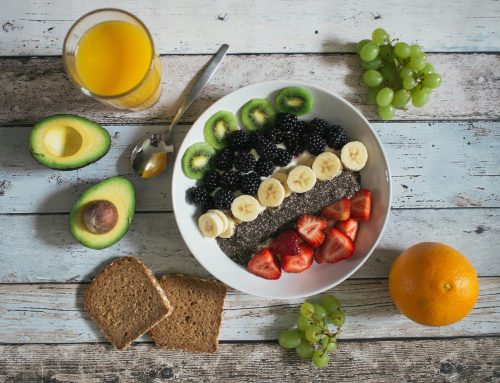
Replacing processed foods with whole foods such as fruits, vegetables, lean proteins, legumes, and whole grains can significantly reduce the burden on your liver while improving overall health.
Hidden Liver Damage From Weight Gain And Obesity
Being overweight or obese is one of the leading risk factors for liver disease. Excess body fat, particularly around the abdomen, increases the likelihood of fat accumulation in the liver.
Many people do not realize they have liver damage because symptoms often develop slowly. In some cases, liver disease may progress for years before being detected during routine blood tests or imaging studies.
Maintaining a healthy weight through proper nutrition and regular exercise can dramatically reduce the risk of liver complications.
Certain Supplements May Harm Your Liver
Many consumers assume that dietary supplements are automatically safe because they are marketed as natural products. However, some supplements and herbal products have been associated with liver injury.
High doses of certain vitamins, herbal extracts, weight-loss supplements, and performance-enhancing products may place significant stress on the liver. In some cases, supplement-related liver damage can become severe enough to require medical treatment.
Always discuss supplements with a healthcare provider, especially if you take multiple products or have existing liver concerns.
Chronic Stress May Affect Liver Health
Stress affects nearly every system in the body, including the liver. Chronic stress can contribute to unhealthy behaviors such as overeating, excessive sugar consumption, poor sleep, and reduced physical activity.
These behaviors can indirectly increase the risk of liver disease. Elevated stress hormones may also contribute to inflammation and metabolic dysfunction, creating additional challenges for liver health.
Managing stress through exercise, meditation, adequate sleep, and healthy lifestyle choices can support both mental wellness and liver function.
Warning Signs Of Liver Damage You Should Never Ignore
The liver is often called a “silent organ” because damage may occur without noticeable symptoms. However, as liver disease progresses, warning signs can begin to appear.
Common symptoms of liver problems include:
- Persistent fatigue
- Abdominal pain or swelling
- Nausea
- Loss of appetite
- Dark urine
- Pale stools
- Easy bruising
- Swelling in the legs and ankles
- Yellowing of the skin or eyes (jaundice)
If you experience any of these symptoms, consult a healthcare professional for evaluation. Early detection often leads to better outcomes.
How To Protect Your Liver Naturally
Protecting your liver does not require extreme measures. Small daily improvements can have a significant impact over time.
Some of the best ways to improve liver health include:
- Reducing added sugar intake
- Limiting processed foods
- Exercising regularly
- Maintaining a healthy weight
- Staying hydrated
- Avoiding excessive alcohol consumption
- Getting adequate sleep
- Discussing supplements with your healthcare provider
- Managing stress effectively
Consistent healthy habits can help reduce inflammation, decrease liver fat, and support your body’s natural detoxification processes.
Final Thoughts On Lifestyle Habits That Damage The Liver
Many people unknowingly engage in habits that can slowly damage the liver over time. Excess sugar consumption, processed foods, inactivity, obesity, chronic stress, and certain supplements may all contribute to liver disease, even in people who rarely consume alcohol.
The good news is that the liver has an incredible ability to heal itself when harmful habits are addressed early. By making healthier lifestyle choices today, you can protect your liver, improve your overall health, and reduce your risk of developing serious liver disease in the future.
Related Posts



Available Liver Help