
How Your Daily Routine Affects Liver Health More Than You Think

Photo by Jannis Brandt on Unsplash
Most people don’t spend much time thinking about their liver. Unlike some health conditions that cause immediate symptoms, liver problems often develop slowly and quietly over many years. As a result, millions of people unknowingly engage in daily habits that may negatively affect liver function without realizing it.
The liver is one of the body’s most important organs, responsible for hundreds of essential tasks. It helps regulate metabolism, processes nutrients, filters waste products, stores energy, supports digestion, and plays a major role in overall health. Because the liver works continuously, even small lifestyle choices can have a cumulative impact over time.
The encouraging news is that many liver-friendly habits are simple and practical. By making smarter choices throughout the day, you can help support liver function and reduce the risk of future liver problems.
Why Lifestyle Matters for Liver Health
Many people assume liver disease is primarily caused by alcohol.
While excessive alcohol consumption can certainly damage the liver, other lifestyle factors are increasingly responsible for liver-related health issues.
These factors include:
- Poor nutrition
- Physical inactivity
- Obesity
- Chronic stress
- Poor sleep
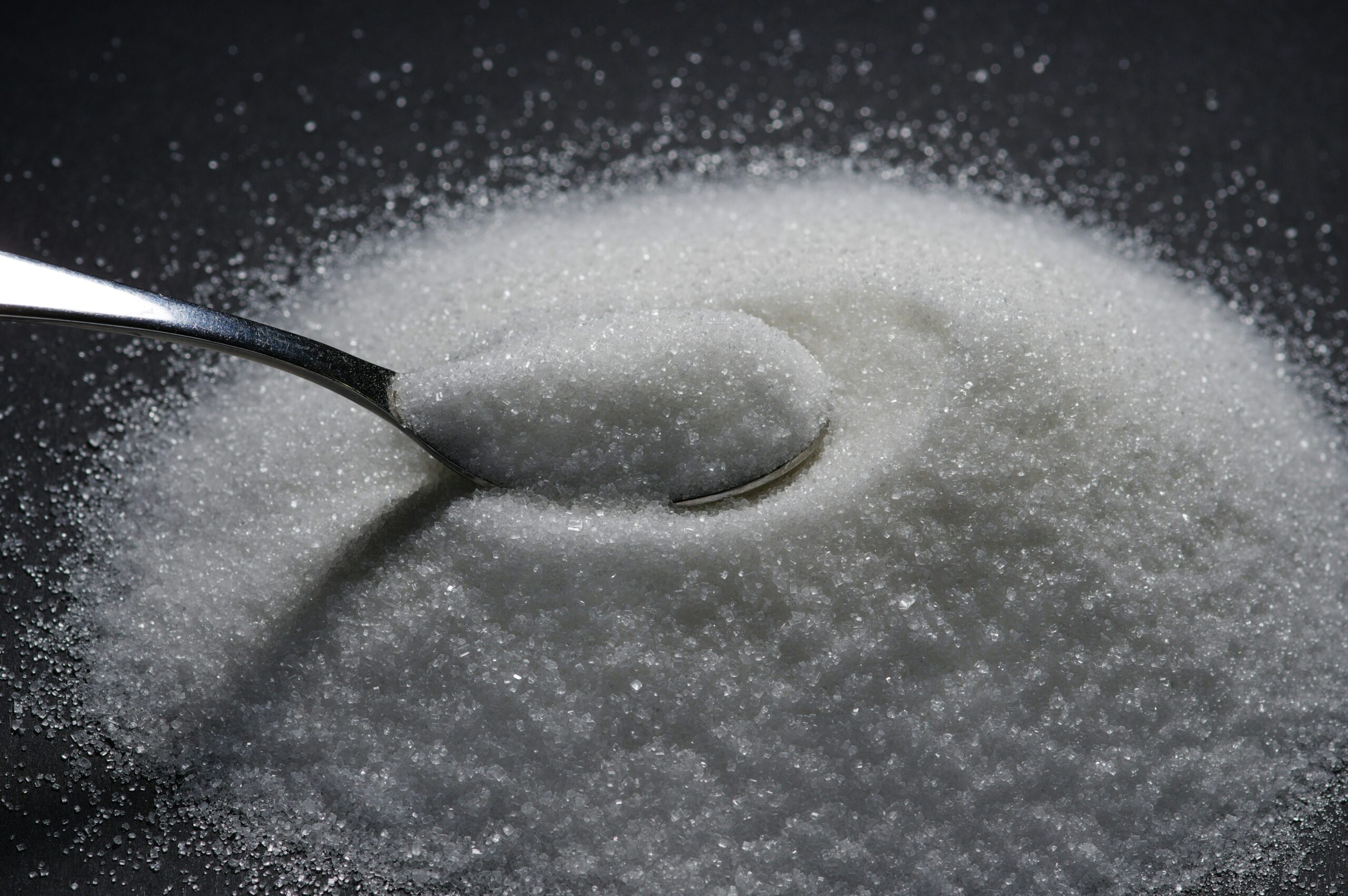
- Excess sugar consumption
- Sedentary behavior
Together, these habits can contribute to fatty liver disease, one of the most common liver conditions worldwide.
The Modern Lifestyle Challenge
Modern life often encourages behaviors that may not support liver health.
Many people spend their days:
- Sitting for extended periods
- Eating highly processed foods
- Sleeping less than recommended
- Experiencing chronic stress
- Exercising infrequently
Over time, these habits can influence metabolism, body weight, blood sugar levels, and inflammation—all of which affect liver function.
The Morning Habits That Support Your Liver
The way you start your day can influence your health throughout the day.
Healthy morning habits may include:
- Drinking water after waking
- Eating a balanced breakfast
- Taking a short walk
- Getting exposure to natural sunlight
- Avoiding sugary beverages
These small actions may help support metabolism and establish healthier patterns that continue throughout the day.
Skipping Movement Can Affect Liver Function
Physical inactivity has become one of the most common lifestyle concerns in modern society.
A lack of movement may contribute to:
- Weight gain
- Insulin resistance
- Poor circulation
- Increased liver fat
Fortunately, movement does not have to be intense to provide benefits.
Simple activities such as:
- Walking
- Gardening
- Cycling
- Household chores
can all help support overall metabolic health.
Why Sitting Too Much Is a Problem
Even individuals who exercise regularly may spend much of the day sitting.
Extended sitting has been associated with:
- Reduced calorie expenditure
- Poor blood sugar regulation
- Increased metabolic risk factors
Simple strategies to reduce sitting time include:
- Standing periodically
- Taking movement breaks
- Walking during phone calls
- Using stairs when possible
Small changes throughout the day can add up significantly.
The Connection Between Weight and Liver Health
Excess body weight is one of the strongest risk factors for fatty liver disease.
When excess calories are consumed over time, fat may accumulate in various tissues throughout the body, including the liver.
Maintaining a healthy weight may help:
- Reduce liver fat
- Improve insulin sensitivity
- Lower inflammation
- Improve liver enzyme levels
Weight management remains one of the most effective lifestyle strategies for protecting liver health.
How Sleep Influences the Liver
Sleep is often overlooked when discussing liver wellness.
However, inadequate sleep may affect:
- Hormonal regulation
- Appetite control
- Blood sugar management
- Inflammation levels
Poor sleep habits have been linked to several conditions that increase liver disease risk.
Improving sleep quality can benefit both liver health and overall well-being.
Creating a Better Sleep Routine
Healthy sleep habits include:
- Going to bed at consistent times
- Limiting screen exposure before sleep
- Avoiding large meals late at night
- Keeping the bedroom dark and cool
These simple adjustments may improve sleep quality and support healthier metabolic function.
Stress and the Liver
While stress does not directly cause liver disease, it can influence behaviors that affect liver health.
Chronic stress may lead to:
- Emotional eating
- Weight gain
- Poor food choices
- Reduced exercise
- Increased alcohol consumption
Managing stress effectively may help reduce these secondary effects.
Healthy Ways to Manage Stress
Not every stress-management technique requires expensive programs or equipment.
Effective options include:
- Meditation
- Deep breathing
- Walking outdoors
- Reading
- Journaling
- Yoga
- Spending time with friends and family
Finding healthy outlets for stress can support both physical and mental health.
The Importance of Staying Hydrated
Water plays an essential role in countless bodily functions.
Adequate hydration supports:
- Digestion
- Nutrient transport
- Circulation
- Metabolism
Many people consume far more sugary beverages than water, increasing calorie intake and potentially contributing to fatty liver disease.
Making water your primary beverage is a simple lifestyle improvement with broad health benefits.
Smart Snacking Habits
Many people consume a significant portion of their daily calories through snacks.
Poor snack choices often include:
- Candy
- Chips
- Pastries
- Sugary beverages
Healthier alternatives include:
- Fruit
- Nuts
- Greek yogurt
- Vegetables
- Whole-grain snacks
Making better snack choices can help reduce excess calorie intake and support weight management.
Eating Too Fast May Affect Health
Modern lifestyles often encourage rushed eating.
Eating quickly may make it harder to recognize fullness signals, increasing the likelihood of overeating.
Slowing down during meals may help:
- Improve digestion
- Increase satisfaction
- Support portion control
- Reduce excess calorie intake
Mindful eating is a simple lifestyle habit that may contribute to better long-term health outcomes.
Alcohol Awareness Matters
Alcohol affects every liver differently.
Some individuals may tolerate moderate consumption without significant problems, while others may be more vulnerable to liver damage.
Understanding your alcohol intake and discussing it with healthcare providers when appropriate is an important part of maintaining liver health.
Social Habits Can Influence Health
Lifestyle choices are often shaped by social environments.
Friends, family members, and coworkers can influence:
- Eating habits
- Exercise routines
- Alcohol consumption
- Sleep patterns
Building relationships that support healthy behaviors can make lifestyle changes easier to maintain.
Why Routine Medical Care Is Important
One challenge with liver disease is that symptoms may not appear until significant damage has occurred.
Regular medical checkups may help identify:
- Elevated liver enzymes
- Metabolic issues
- High cholesterol
- Diabetes risk factors
Early detection allows individuals to address problems before they become more serious.
Building a Liver-Friendly Daily Routine
Many people believe protecting the liver requires major life changes.
In reality, healthy routines often consist of small actions repeated consistently.
Examples include:
- Drinking more water
- Walking daily
- Sleeping seven to nine hours
- Preparing meals at home
- Managing stress effectively
- Limiting sugary drinks
These habits may seem simple, but they can produce substantial benefits over time.
Consistency Beats Perfection
One of the biggest mistakes people make is pursuing perfection.
Extreme diets, intense workout plans, and unrealistic goals are often difficult to maintain.
A more sustainable approach focuses on:
- Gradual improvement
- Consistent habits
- Long-term thinking
- Practical goals
Small improvements maintained for years often outperform dramatic changes that last only a few weeks.
Signs Your Lifestyle May Be Affecting Your Liver
Although early liver disease is often silent, some warning signs may eventually appear.
Possible symptoms include:
- Persistent fatigue
- Abdominal discomfort
- Unexplained weight changes
- Loss of appetite
- Dark urine
- Jaundice
Anyone experiencing these symptoms should seek professional medical evaluation.
Final Thoughts
Your liver is influenced by countless decisions made throughout the day. The foods you eat, the amount you move, the quality of your sleep, your stress levels, hydration habits, and overall lifestyle all play important roles in determining how well this vital organ functions.
The good news is that many liver-friendly habits are simple, affordable, and accessible. By focusing on consistent daily routines rather than quick fixes, you can support liver health, improve metabolic wellness, and reduce your risk of future liver disease. Over time, small healthy choices can have a powerful impact on one of the hardest-working organs in the body.
Related Posts





Available Liver Help