Best Diet for Liver Health: Foods That Help Support and Protect Your Liver
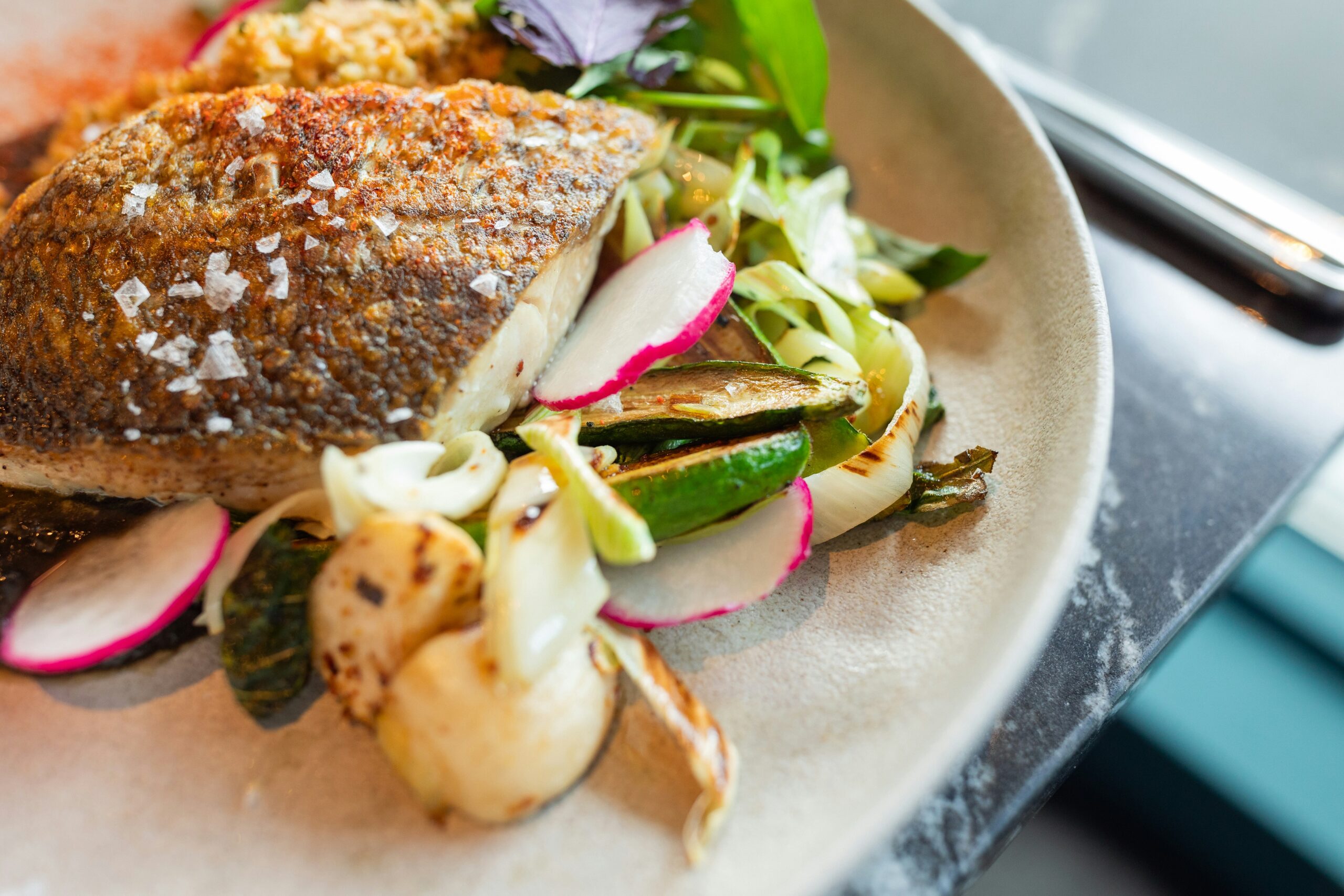
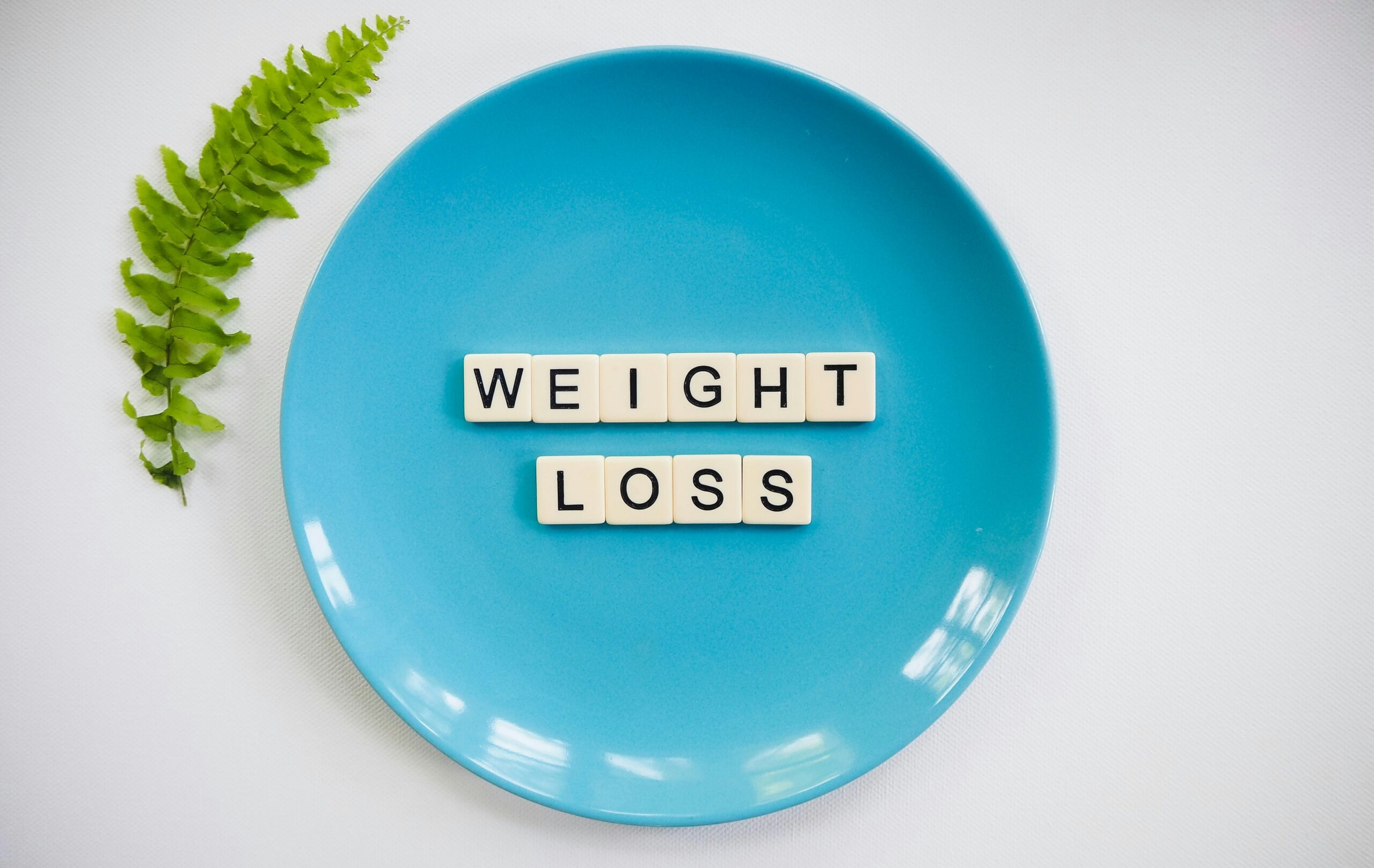
Photo by Negley Stockman on Unsplash
Your liver is one of the hardest-working organs in your body. Every day, it helps process nutrients, regulate blood sugar, break down fats, produce bile, store vitamins, and remove waste products from the bloodstream. Because the liver performs hundreds of critical functions, what you eat can have a major impact on how well it works.
The good news is that a healthy diet can help reduce liver fat, improve liver enzyme levels, decrease inflammation, and support overall liver function. While no food can magically “heal” the liver on its own, a consistent liver-friendly eating plan may help prevent liver disease and support recovery from conditions such as fatty liver disease. Research consistently shows that diets rich in whole foods, vegetables, healthy fats, fiber, and certain antioxidant-rich foods are associated with better liver health.
Why Diet Matters for Liver Health
The liver processes nearly everything you eat and drink. Excess sugar, unhealthy fats, highly processed foods, and excess calories can increase fat accumulation within liver cells and contribute to fatty liver disease.
On the other hand, nutrient-dense foods help support the liver’s natural functions, reduce oxidative stress, and improve metabolic health. A healthy diet may also lower the risk of obesity, insulin resistance, and type 2 diabetes, which are major risk factors for liver disease.
Coffee May Be One of the Best Drinks for Your Liver
Many people are surprised to learn that coffee is among the most studied foods for liver health.
Research has found that regular coffee consumption may be associated with:
- Lower liver fat levels
- Improved liver enzyme values
- Reduced risk of liver fibrosis
- Lower risk of cirrhosis
- Better overall liver health
Coffee contains antioxidants and plant compounds that may help protect liver cells from damage. Several studies have found benefits even among people who already have liver disease.
Fill Your Plate With Vegetables
Vegetables should form the foundation of any liver-friendly diet.
They provide:
- Fiber
- Antioxidants
- Vitamins
- Minerals
- Anti-inflammatory plant compounds
Vegetables may help support healthy digestion, improve blood sugar control, and reduce overall inflammation throughout the body.
Aim to include vegetables with every meal whenever possible.
Cruciferous Vegetables Support Liver Function
Certain vegetables appear particularly beneficial for the liver.
Cruciferous vegetables include:
- Broccoli
- Cauliflower
- Brussels sprouts
- Cabbage
- Kale
These vegetables contain natural compounds that may support the liver’s detoxification processes and help protect liver cells from damage. Studies suggest they may also help reduce liver fat accumulation and improve metabolic health.
Berries Provide Powerful Antioxidants
Berries are packed with antioxidants known as anthocyanins.
Popular choices include:
- Blueberries
- Strawberries
- Blackberries
- Raspberries
- Cranberries
These antioxidants help combat oxidative stress and inflammation, two factors commonly associated with liver disease. Research suggests berries may help support liver health and protect liver cells from damage.
Fatty Fish May Help Reduce Liver Fat
Fatty fish are rich in omega-3 fatty acids, which have been linked to reduced inflammation and improved liver health.
Examples include:
- Salmon
- Sardines
- Mackerel
- Herring
- Trout
Studies suggest omega-3 fats may help reduce liver fat levels and improve triglyceride levels in people with fatty liver disease.
Healthy Fats Are Better Than Processed Fats
Not all fats affect the liver the same way.
Healthy fats found in foods such as olive oil, nuts, seeds, and fatty fish may support liver function and metabolic health.
Extra virgin olive oil, in particular, has been associated with:
- Improved insulin sensitivity
- Reduced liver fat
- Better liver enzyme levels
- Lower inflammation
Replacing processed fats with healthier fat sources may benefit both the liver and cardiovascular system.
Nuts Are a Smart Liver-Friendly Snack
Nuts contain healthy fats, fiber, antioxidants, and vitamin E.
Examples include:
- Walnuts
- Almonds
- Pistachios
- Pecans
Research has linked higher nut consumption with a lower risk of fatty liver disease and improved metabolic health. Nuts can be a satisfying snack that supports long-term liver wellness.
Whole Grains Support Metabolic Health
Whole grains provide fiber and important nutrients that help regulate blood sugar and support digestion.
Good options include:
- Oatmeal
- Brown rice
- Quinoa
- Whole wheat products
- Barley
Higher fiber intake may help reduce liver fat accumulation and improve overall metabolic health. Oatmeal is often highlighted as a particularly beneficial choice due to its fiber content.
Garlic May Offer Liver Benefits
Garlic contains sulfur-containing compounds and antioxidants that have attracted attention in liver health research.
Potential benefits include:
- Reduced inflammation
- Improved metabolic function
- Lower liver fat accumulation
- Enhanced antioxidant activity
While garlic is not a cure for liver disease, it can be a valuable addition to a healthy eating plan.
Leafy Greens Support Overall Liver Wellness
Leafy greens are rich in vitamins, minerals, fiber, and plant compounds that support overall health.
Popular choices include:
- Spinach
- Kale
- Arugula
- Swiss chard
- Romaine lettuce
Research suggests diets rich in leafy greens may be associated with lower risks of fatty liver disease and improved metabolic health.
Legumes Provide Plant-Based Nutrition
Beans, lentils, and peas are excellent sources of fiber and plant-based protein.
They can help:
- Improve fullness
- Support weight management
- Stabilize blood sugar
- Promote digestive health
Because obesity and insulin resistance contribute to fatty liver disease, legumes can be an important part of a liver-friendly diet.
Foods to Limit for Better Liver Health
Just as some foods support the liver, others may increase the risk of liver damage when consumed excessively.
Consider limiting:
- Sugary drinks
- Candy
- Pastries
- White bread
- Processed snacks
- Fried foods
- Fast food
- Excess alcohol
- Highly processed meats
These foods may contribute to weight gain, insulin resistance, inflammation, and liver fat accumulation.
The Mediterranean Diet Is Often Recommended
Many liver specialists recommend a Mediterranean-style eating pattern.
This diet emphasizes:
- Vegetables
- Fruits
- Whole grains
- Legumes
- Fish
- Nuts
- Olive oil
- Lean proteins
The Mediterranean diet has been associated with improvements in metabolic health, reduced inflammation, and lower liver fat levels. It remains one of the most widely recommended dietary approaches for people concerned about liver health.
Weight Management Is Just as Important as Food Choices
Even the healthiest foods may have limited benefits if calorie intake remains consistently excessive.
Maintaining a healthy weight can help:
- Reduce liver fat
- Improve insulin sensitivity
- Lower inflammation
- Improve liver enzyme levels
For many individuals with fatty liver disease, weight loss remains one of the most effective strategies for improving liver health.
Hydration Supports Liver Function
Water supports countless processes throughout the body, including those involving the liver.
Staying hydrated may help:
- Support metabolism
- Aid digestion
- Promote overall health
- Reduce reliance on sugary beverages
Replacing soda and sweetened drinks with water is one of the simplest changes that can benefit liver health.
There Is No Single “Superfood” for the Liver
Many products claim to cleanse, detox, or repair the liver instantly.
The reality is that liver health depends on overall dietary patterns rather than any single food. Experts consistently emphasize that a balanced diet rich in whole foods provides far greater benefits than relying on supplements, detox drinks, or so-called miracle foods.
Final Thoughts on the Best Diet for Liver Health
The best diet for liver health focuses on whole, nutrient-dense foods that support metabolism, reduce inflammation, and help prevent excess fat accumulation in the liver. Vegetables, berries, fatty fish, coffee, nuts, olive oil, whole grains, legumes, and leafy greens all provide nutrients that may help protect liver function and support long-term health.
While no single food can heal the liver on its own, consistent healthy eating habits can make a significant difference. Combined with regular exercise, quality sleep, weight management, and limited alcohol consumption, a liver-friendly diet can help reduce the risk of liver disease and support optimal liver function for years to come.
Related Posts

Available Liver Help