
Can Exercise Improve Liver Health? The Science Behind Physical Activity and a Healthier Liver
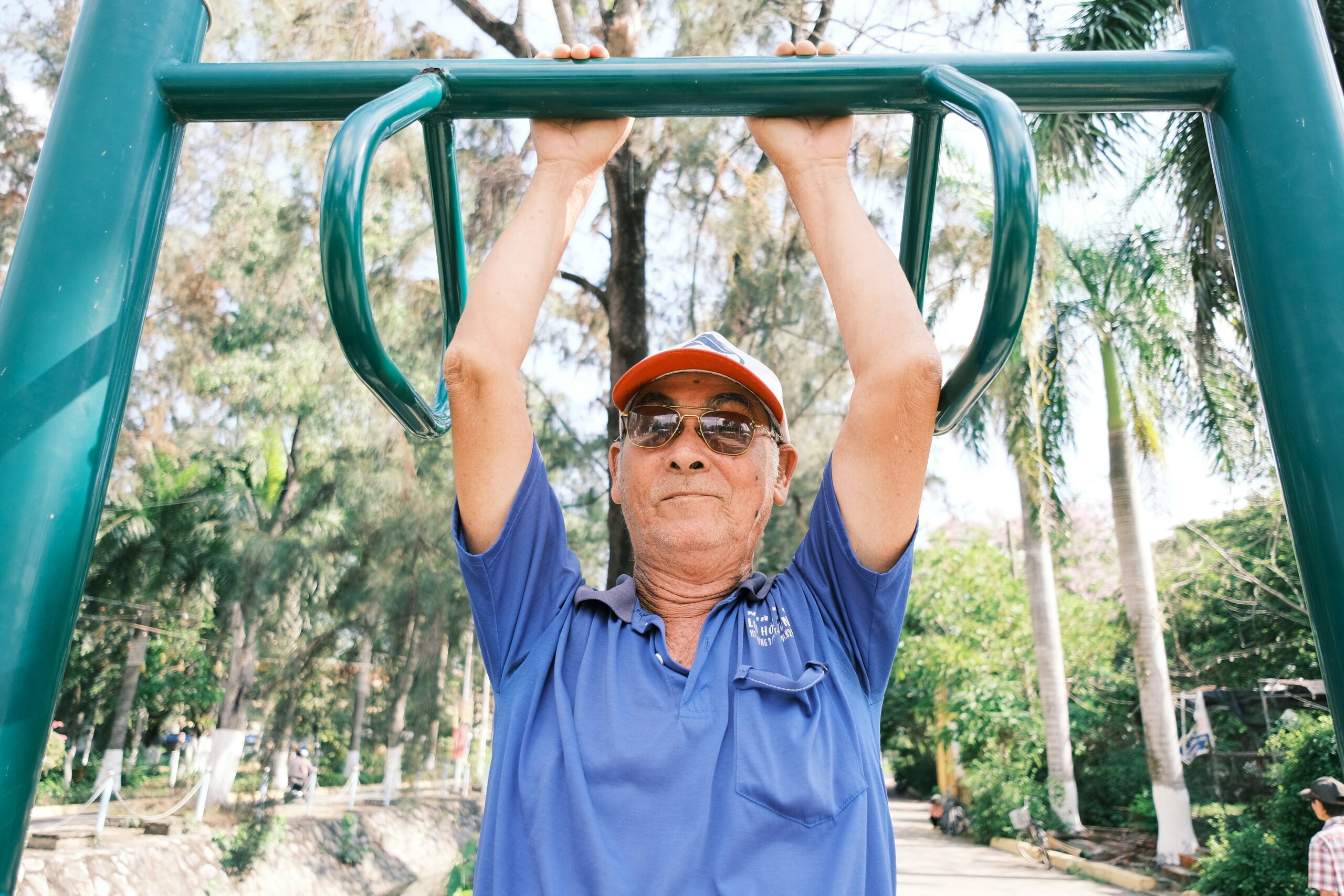
Photo by Trung Nhan Tran on Unsplash
Exercise is widely recognized for its benefits to the heart, muscles, metabolism, and overall well-being. However, many people are surprised to learn that regular physical activity can also play a major role in improving liver health. As rates of fatty liver disease continue to rise worldwide, healthcare professionals increasingly recommend exercise as one of the most effective ways to support liver function and reduce liver fat.
Whether you have fatty liver disease, elevated liver enzymes, or simply want to protect your long-term health, understanding the connection between exercise and liver function can help you make informed lifestyle choices. The good news is that even moderate physical activity can have a meaningful impact on liver health.
Why Liver Health Matters
The liver is one of the most important organs in the body. It performs hundreds of essential functions, including filtering toxins from the bloodstream, processing nutrients, regulating blood sugar, producing bile, storing vitamins, and metabolizing medications.
Because the liver is involved in so many critical processes, maintaining liver health is essential for overall wellness. When liver function declines, it can affect energy levels, digestion, metabolism, and numerous other bodily systems.
Protecting the liver through healthy lifestyle habits is one of the most effective ways to reduce the risk of chronic disease.
The Growing Problem of Fatty Liver Disease
Fatty liver disease has become one of the most common liver conditions worldwide. The condition develops when excess fat accumulates inside liver cells, often as a result of obesity, insulin resistance, poor diet, and metabolic dysfunction.
Many healthcare providers now use the term Metabolic Dysfunction-Associated Steatotic Liver Disease (MASLD), replacing the older term Nonalcoholic Fatty Liver Disease (NAFLD).
Without intervention, fatty liver disease can progress to inflammation, fibrosis, cirrhosis, and even liver failure. Fortunately, exercise is one of the most powerful tools available for slowing or reversing this process.
How Exercise Benefits the Liver
Exercise influences liver health through several important mechanisms.
Regular physical activity can:
- Reduce liver fat accumulation
- Improve insulin sensitivity
- Promote weight loss
- Lower inflammation
- Improve blood sugar control
- Support healthy cholesterol levels
- Reduce metabolic dysfunction
These benefits directly address many of the root causes of fatty liver disease and other liver-related conditions.
Can Exercise Reduce Liver Fat?
Research consistently shows that exercise can help reduce liver fat levels.
When you exercise, your body uses stored energy more efficiently. This process helps reduce excess fat throughout the body, including fat stored within the liver.
One of the most encouraging findings from liver research is that exercise may reduce liver fat even when significant weight loss has not yet occurred. This means individuals can begin improving liver health before reaching major weight-loss milestones.
Over time, continued physical activity may lead to substantial reductions in liver fat accumulation.
Exercise Improves Insulin Sensitivity
Insulin resistance is one of the primary drivers of fatty liver disease.
When the body’s cells become resistant to insulin, the liver often produces and stores more fat. This process contributes to the development and progression of fatty liver disease.
Exercise improves insulin sensitivity by helping muscles use glucose more effectively. As insulin function improves, the liver experiences less metabolic stress and becomes less likely to accumulate excess fat.
This improvement is one reason exercise remains a cornerstone of fatty liver treatment.
Physical Activity Helps Lower Inflammation
Chronic inflammation plays a major role in many liver diseases.
Excess body fat, poor diet, and sedentary lifestyles can contribute to persistent low-grade inflammation throughout the body. Over time, inflammation may damage liver cells and accelerate disease progression.
Regular exercise helps regulate inflammatory processes and may reduce inflammatory markers associated with metabolic dysfunction.
Lower inflammation creates a healthier environment for liver repair and recovery.
Can Exercise Improve Elevated Liver Enzymes?
Many people first discover liver problems after routine blood tests reveal elevated liver enzymes such as ALT and AST.
Exercise may help improve these markers over time by reducing liver fat, improving metabolic health, and decreasing inflammation.
While results vary between individuals, many patients experience measurable improvements in liver enzyme levels after adopting a consistent exercise routine.
Healthcare providers often recommend combining exercise with dietary improvements for the best results.
Aerobic Exercise and Liver Health
Aerobic exercise is one of the most commonly recommended forms of physical activity for improving liver function.
Examples include:
- Walking
- Jogging
- Cycling
- Swimming
- Hiking
- Dancing
- Rowing
Aerobic exercise increases calorie expenditure and supports cardiovascular health while helping reduce fat accumulation throughout the body.
Even brisk walking several times per week may contribute to improved liver health over time.
Strength Training Also Supports Liver Function
Resistance training provides important benefits that complement aerobic exercise.
Activities such as weightlifting, resistance bands, bodyweight exercises, and strength machines help build lean muscle mass.
More muscle tissue improves glucose metabolism and insulin sensitivity, which may help reduce liver fat accumulation.
Many experts recommend combining strength training and aerobic exercise for optimal liver health benefits.
How Much Exercise Is Good for Liver Health?
Many people worry that they need intense workouts to improve their liver. Fortunately, moderate activity often produces meaningful benefits.
General recommendations frequently include:
- At least 150 minutes of moderate aerobic activity weekly
- Two or more strength-training sessions per week
- Reduced sedentary behavior throughout the day
Starting slowly and gradually increasing activity levels is often the most sustainable approach.
Consistency is usually more important than intensity.
Can Exercise Reverse Fatty Liver Disease?
For many individuals, exercise plays a key role in reversing early-stage fatty liver disease.
When combined with healthy eating habits and weight management, physical activity can:
- Reduce liver fat
- Improve liver enzymes
- Improve insulin sensitivity
- Reduce inflammation
- Slow fibrosis progression
Many patients experience substantial improvements in liver health after making exercise a regular part of their lifestyle.
The earlier intervention begins, the better the chances of reversing liver damage.
Weight Loss and Liver Recovery
Although exercise provides direct liver benefits, weight loss often enhances those improvements.
Losing excess weight may:
- Lower liver fat levels
- Reduce inflammation
- Improve metabolic function
- Decrease fibrosis risk
- Improve overall liver performance
Healthcare professionals frequently view exercise and nutrition as complementary strategies rather than separate treatments.
Together, they provide one of the most effective approaches for managing fatty liver disease.
Exercise Benefits Beyond the Liver
Physical activity offers advantages that extend far beyond liver health.
Regular exercise may help:
- Improve heart health
- Lower blood pressure
- Enhance mental health
- Increase energy levels
- Improve sleep quality
- Strengthen muscles and bones
- Reduce diabetes risk
- Support healthy aging
These benefits often reinforce each other, creating positive effects throughout the body.
Common Exercise Mistakes People Make
Individuals trying to improve liver health sometimes make avoidable mistakes.
Common errors include:
- Starting too aggressively
- Expecting immediate results
- Exercising inconsistently
- Ignoring nutrition
- Sitting for long periods outside workouts
- Giving up after temporary setbacks
Successful liver improvement usually results from long-term consistency rather than short bursts of extreme effort.
Small, sustainable changes often produce the greatest long-term success.
Creating a Liver-Friendly Exercise Plan
An effective liver-health exercise routine does not need to be complicated.
A simple weekly plan might include:
- Brisk walking five days per week
- Two strength-training sessions
- Stretching or mobility exercises
- Increased daily movement
- Reduced sitting time
The best exercise program is one that can be maintained consistently over months and years.
Finding activities you genuinely enjoy can improve long-term adherence.
Who Should Speak With a Doctor Before Starting Exercise?
Although exercise is beneficial for most people, some individuals should seek medical guidance before beginning a new program.
This may include people with:
- Advanced liver disease
- Cirrhosis
- Heart disease
- Significant mobility limitations
- Chronic medical conditions
- Recent surgeries
A healthcare provider can recommend safe and appropriate activity levels based on individual health needs.
Final Thoughts on Exercise and Liver Health
Can exercise improve liver health? Absolutely. Research continues to show that regular physical activity is one of the most effective ways to reduce liver fat, improve insulin sensitivity, lower inflammation, and support healthy liver function. Whether your goal is preventing fatty liver disease, improving elevated liver enzymes, or supporting overall wellness, exercise can play a central role in your liver health strategy.
The most important step is getting started. Consistent movement, even at moderate levels, can produce meaningful improvements over time. Combined with healthy nutrition and weight management, exercise remains one of the most powerful tools available for protecting and improving liver health naturally.
Related Posts



Available Liver Help