
15 Simple Prevention Tips to Keep Your Liver Healthy for Life

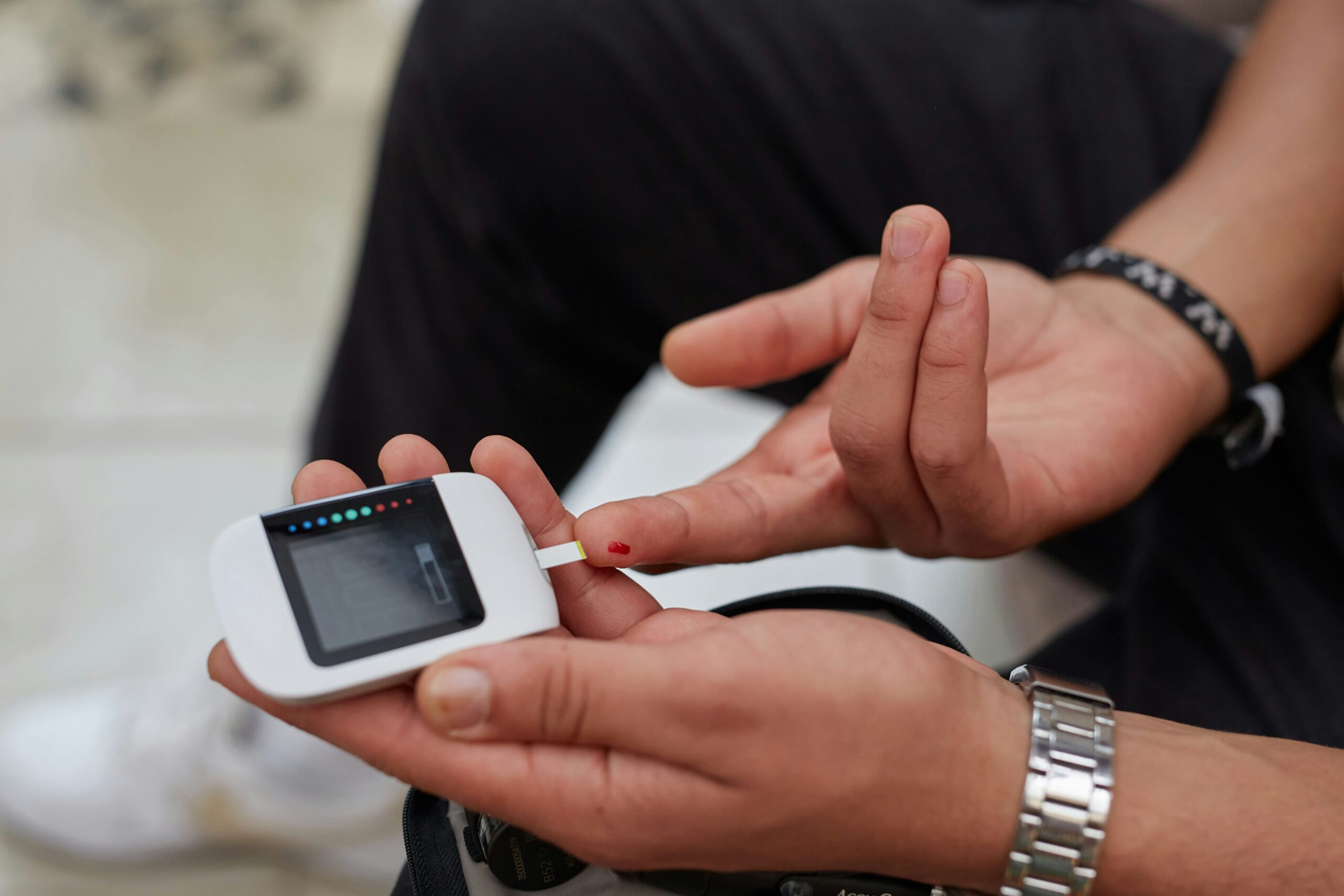
Photo by Kelsey Chance on Unsplash
Your liver is one of the hardest-working organs in your body. Every day, it performs hundreds of essential functions that help keep you alive and healthy. From processing nutrients and filtering toxins to regulating metabolism and supporting digestion, the liver plays a critical role in overall wellness.
Despite its importance, liver health is often overlooked until a problem develops. The good news is that many liver diseases are linked to lifestyle factors, meaning there are practical steps you can take to reduce your risk. Prevention is often far easier than treatment, especially when it comes to conditions like fatty liver disease, alcohol-related liver disease, and metabolic liver disorders.
Here are 15 simple yet effective prevention tips that can help support long-term liver health and reduce the risk of future liver problems.
1. Maintain a Healthy Body Weight
Excess body weight is one of the leading risk factors for fatty liver disease.
When too much fat accumulates throughout the body, some of it may also be stored within liver cells. Over time, this can lead to inflammation and liver damage.
Maintaining a healthy weight may help:
- Reduce liver fat
- Improve insulin sensitivity
- Lower inflammation
- Support metabolic health
Even modest weight management improvements can positively affect liver function.
2. Exercise Regularly
Physical activity is one of the most effective ways to protect the liver.
Exercise may help:
- Burn excess calories
- Improve blood sugar control
- Reduce liver fat
- Support cardiovascular health
You don’t need intense workouts to benefit.
Activities such as:
- Walking
- Cycling
- Swimming
- Gardening
- Strength training
can all contribute to better liver health.
3. Limit Sugary Beverages
Sugary drinks are a major source of excess calories and added sugar.
Common examples include:
- Soda
- Sweet tea
- Energy drinks
- Sweetened coffee beverages
- Sports drinks
Regular consumption may contribute to:
- Weight gain
- Insulin resistance
- Fat accumulation in the liver
Replacing sugary beverages with water is a simple but powerful preventive step.
4. Drink More Water
Hydration supports numerous bodily functions, including those involving the liver.
Water helps support:
- Digestion
- Circulation
- Nutrient transport
- Metabolic processes
While water does not directly detoxify the liver, choosing water over sugary beverages can significantly benefit overall health.
5. Eat More Whole Foods
Highly processed foods often contain excess sugar, unhealthy fats, and refined carbohydrates.
A prevention-focused diet emphasizes:
- Vegetables
- Fruits
- Whole grains
- Lean proteins
- Healthy fats
Whole foods provide important nutrients that support metabolic and liver health.
6. Limit Excess Alcohol Consumption
Alcohol remains one of the most well-known causes of liver disease.
Excessive alcohol use may lead to:
- Fatty liver
- Alcoholic hepatitis
- Fibrosis
- Cirrhosis
Individuals who choose to drink should do so responsibly and follow healthcare recommendations regarding alcohol intake.
7. Manage Blood Sugar Levels
Type 2 diabetes and insulin resistance are closely connected to liver disease.
Poor blood sugar control may contribute to:
- Fat accumulation
- Chronic inflammation
- Metabolic dysfunction
Preventive strategies include:
- Healthy eating
- Exercise
- Weight management
- Routine medical monitoring
Keeping blood sugar under control can help reduce liver-related risks.
8. Get Adequate Sleep
Sleep is often overlooked when discussing preventive health.
Poor sleep has been associated with:
- Obesity
- Insulin resistance
- Increased inflammation
- Metabolic disorders
Most adults benefit from seven to nine hours of quality sleep each night.
Healthy sleep habits support overall wellness and may indirectly protect liver function.
9. Reduce Chronic Stress
Stress affects many aspects of health, including behaviors that influence liver disease risk.
Chronic stress may contribute to:
- Emotional eating
- Weight gain
- Poor sleep
- Physical inactivity
Stress-management techniques include:
- Meditation
- Deep breathing exercises
- Yoga
- Walking
- Spending time outdoors
Managing stress may support healthier lifestyle choices.
10. Avoid Unnecessary Medications
The liver processes many medications and supplements.
While medications are often necessary, unnecessary use can place additional strain on the liver.
Helpful practices include:
- Following dosage instructions
- Reading labels carefully
- Consulting healthcare providers before starting supplements
- Avoiding self-medication
Always use medications responsibly.
11. Be Cautious With Herbal Supplements
Many people assume herbal products are automatically safe.
However, some supplements have been associated with liver injury.
Before using herbal remedies:
- Discuss them with your healthcare provider
- Research potential side effects
- Follow recommended dosages
Natural does not always mean risk-free.
12. Practice Safe Hygiene Habits
Certain viral infections can affect the liver.
Good hygiene practices include:
- Washing hands regularly
- Avoiding sharing personal hygiene items
- Practicing safe behaviors that reduce infection risk
Preventing viral infections can help protect long-term liver health.
13. Schedule Regular Medical Checkups
Many liver diseases develop without noticeable symptoms.
Routine medical evaluations may help detect:
- Elevated liver enzymes
- Blood sugar abnormalities
- High cholesterol
- Metabolic risk factors
Early detection often allows for earlier intervention and better outcomes.
14. Monitor Cholesterol Levels
High cholesterol and elevated triglycerides often occur alongside liver disease.
Regular monitoring can help identify metabolic problems before complications develop.
Healthy habits that support cholesterol management include:
- Exercise
- Balanced nutrition
- Weight management
- Smoking cessation
Improving cholesterol levels may support both heart and liver health.
15. Stay Active Throughout the Day
Many people exercise for a short period but remain sedentary for the rest of the day.
Extended sitting may negatively affect:
- Metabolism
- Blood sugar control
- Weight management
Simple ways to stay active include:
- Taking walking breaks
- Using stairs
- Stretching regularly
- Standing periodically
Small bursts of movement throughout the day can add up over time.
Why Prevention Matters More Than Ever
Liver disease is becoming increasingly common worldwide.
Contributing factors include:
- Rising obesity rates
- Increasing diabetes prevalence
- Sedentary lifestyles
- Poor dietary habits
Fortunately, many liver diseases are largely preventable through healthy lifestyle choices.
Focusing on prevention can reduce the likelihood of serious complications later in life.
Small Changes Create Big Results
One common misconception is that liver protection requires major lifestyle overhauls.
In reality, small consistent improvements often produce the greatest long-term results.
Examples include:
- Drinking one less soda each day
- Taking a daily walk
- Going to bed earlier
- Preparing meals at home
- Choosing water instead of sugary drinks
These simple habits can gradually improve metabolic health and reduce liver stress.
Building a Liver-Friendly Lifestyle
Protecting the liver does not require perfection.
Instead, focus on creating sustainable habits that support overall health.
A liver-friendly lifestyle generally includes:
- Regular physical activity
- Balanced nutrition
- Healthy weight maintenance
- Adequate sleep
- Stress management
- Responsible alcohol use
- Routine healthcare
Consistency remains the key to long-term success.
Warning Signs You Should Not Ignore
Even with preventive efforts, liver problems can still occur.
Potential symptoms include:
- Persistent fatigue
- Abdominal discomfort
- Yellowing of the skin or eyes
- Dark urine
- Unexplained weight loss
- Swelling in the abdomen
Prompt medical evaluation is important if these symptoms develop.
Final Thoughts
Your liver works tirelessly every day to support your health, yet it often receives little attention until problems arise. Fortunately, many of the most common liver conditions can be prevented through simple lifestyle choices. Maintaining a healthy weight, exercising regularly, limiting sugar and alcohol, getting adequate sleep, managing stress, and attending routine medical checkups can all play important roles in protecting liver function.
The best time to start protecting your liver is before symptoms appear. By adopting preventive habits today, you can support long-term liver health and reduce your risk of serious liver disease in the future.
Related Posts



Available Liver Help