

Why Liver Disease Is Called the Silent Health Problem
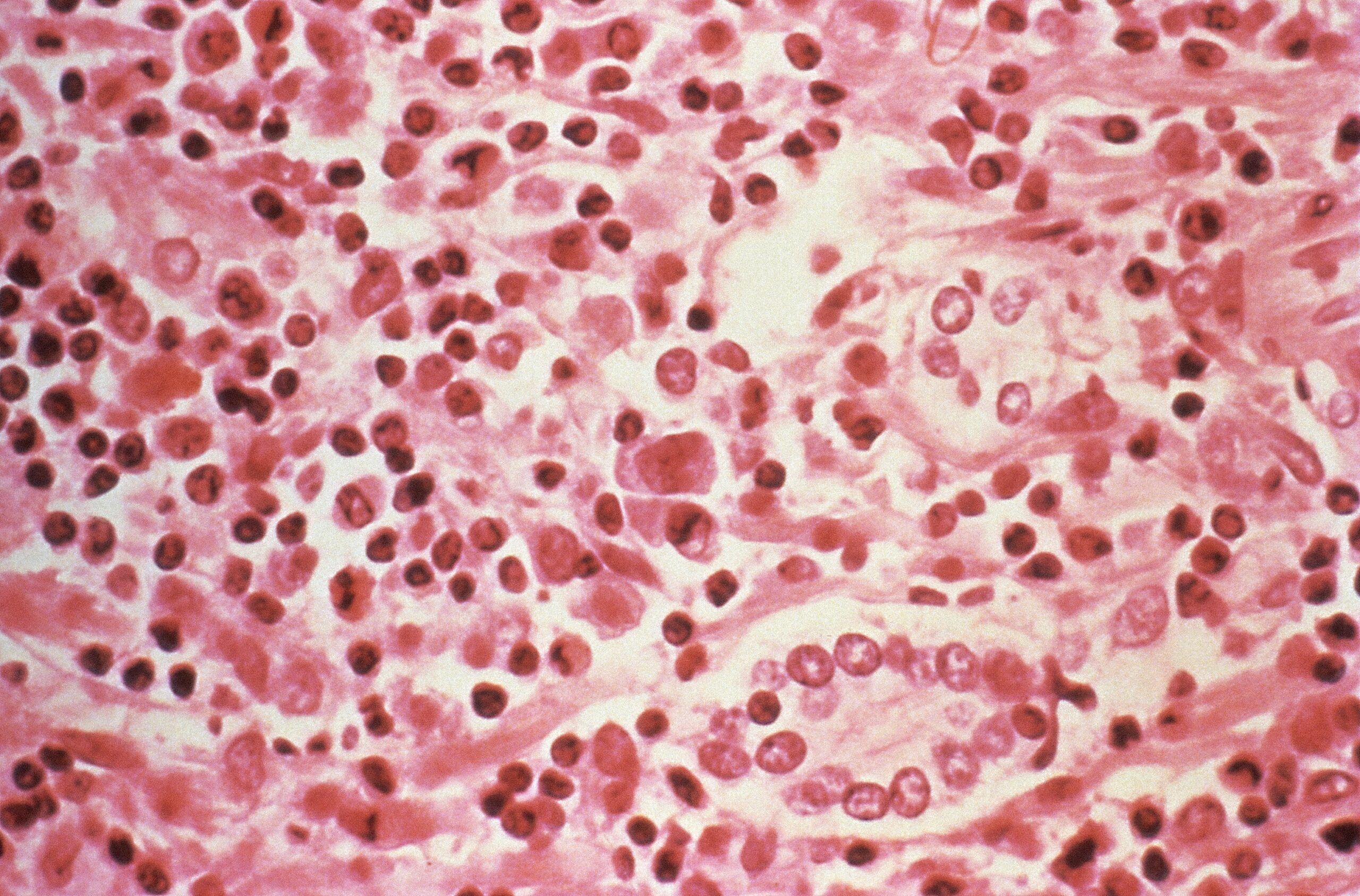
Few health conditions are as deceptive as liver disease. While many illnesses produce obvious symptoms early on, liver problems can quietly develop for years without causing noticeable signs. By the time symptoms appear, significant liver damage may have already occurred.
This is one reason healthcare professionals often refer to liver disease as a “silent disease.” Millions of people worldwide are living with liver conditions they don’t know they have. Fatty liver disease, hepatitis, fibrosis, and even cirrhosis can progress gradually while individuals continue to feel relatively normal.
Understanding why liver disease is often silent and learning to recognize risk factors may help individuals take proactive steps to protect their health before serious complications develop.
Why the Liver Is So Important
The liver is one of the largest and most important organs in the human body.
It performs more than 500 essential functions, including:
- Filtering waste products from the blood
- Processing nutrients from food
- Producing bile for digestion
- Regulating blood sugar
- Storing vitamins and minerals
- Metabolizing medications
- Supporting immune function
Because the liver is involved in so many bodily processes, damage to this organ can eventually affect overall health in significant ways.
The Liver Can Function Despite Damage
One reason liver disease often goes unnoticed is the liver’s remarkable ability to continue functioning even when partially damaged.
Unlike many organs, the liver has an impressive capacity for regeneration and adaptation.
This means a person may lose a significant amount of healthy liver tissue before symptoms become obvious.
As a result, liver disease can progress quietly for years before being detected.
What Is Liver Disease?
Liver disease is a broad term that includes numerous conditions affecting liver structure and function.
Common liver disorders include:
- Fatty liver disease
- Alcohol-related liver disease
- Hepatitis B
- Hepatitis C
- Autoimmune liver diseases
- Liver fibrosis
- Cirrhosis
- Liver cancer
Some forms develop quickly, while others progress slowly over many years.
Fatty Liver Disease Is Becoming Increasingly Common
One of the fastest-growing liver health problems is fatty liver disease.
This condition occurs when excess fat accumulates inside liver cells.
Risk factors include:
- Obesity
- Type 2 diabetes
- High cholesterol
- Insulin resistance
- Physical inactivity
- Poor dietary habits
Many individuals with fatty liver disease have no symptoms whatsoever.
In fact, the condition is often discovered accidentally during routine blood work or imaging tests performed for unrelated reasons.
Early Liver Disease Often Produces No Symptoms
The early stages of liver disease can be particularly challenging to detect.
Many people continue their normal routines without realizing anything is wrong.
Even when symptoms occur, they are often vague and easy to dismiss.
Examples include:
- Mild fatigue
- Low energy
- Occasional discomfort
- Difficulty concentrating
- General feelings of unwellness
These symptoms can easily be attributed to stress, aging, poor sleep, or other common factors.
Why Fatigue Is So Common
Fatigue is one of the most frequently reported symptoms among individuals with liver disease.
However, fatigue is also one of the least specific symptoms in medicine.
People may assume they are tired because of:
- Busy schedules
- Family responsibilities
- Work stress
- Lack of sleep
As a result, underlying liver issues may remain undiagnosed for extended periods.
Liver Enzymes Can Be Elevated Without Symptoms
Many liver conditions are first detected through blood tests.
Routine blood work may reveal elevated liver enzymes such as:
- ALT
- AST
- ALP
- GGT
These laboratory abnormalities can appear long before symptoms develop.
This is why regular medical checkups play an important role in identifying liver problems early.
The Growing Problem of Obesity and Liver Disease
The rise in obesity has contributed significantly to increasing liver disease rates.
Excess body weight may increase the likelihood of:
- Fat accumulation in the liver
- Insulin resistance
- Inflammation
- Metabolic dysfunction
As obesity rates continue to increase, fatty liver disease has become one of the most common chronic liver conditions worldwide.
Diabetes and Liver Health
Type 2 diabetes and liver disease are closely connected.
Individuals with diabetes face a higher risk of developing:
- Fatty liver disease
- Liver inflammation
- Liver fibrosis
Likewise, liver disease may worsen blood sugar control and contribute to additional metabolic complications.
Managing diabetes effectively may help reduce liver-related risks.
The Hidden Dangers of Excess Sugar
Many people associate liver damage primarily with alcohol, but excess sugar consumption has become another major concern.
Large amounts of added sugar may contribute to:
- Weight gain
- Insulin resistance
- Fat accumulation within the liver
Common sources include:
- Soft drinks
- Energy drinks
- Candy
- Processed snacks
- Sweetened coffee beverages
Reducing sugar intake can be an important step toward protecting liver health.
Alcohol Remains a Major Risk Factor
Although non-alcoholic liver disease is becoming more common, alcohol-related liver disease remains a significant health concern.
Excessive alcohol consumption may lead to:
- Fatty liver
- Alcoholic hepatitis
- Fibrosis
- Cirrhosis
The liver can often recover from early alcohol-related damage if drinking is reduced or eliminated before permanent injury occurs.
When Symptoms Finally Appear
As liver disease progresses, symptoms may become more noticeable.
Possible warning signs include:
- Persistent fatigue
- Abdominal pain
- Loss of appetite
- Nausea
- Unexplained weight loss
- Dark urine
Unfortunately, these symptoms may indicate that liver damage has already become more advanced.
Jaundice: A Serious Warning Sign
Jaundice occurs when bilirubin builds up in the bloodstream.
This causes:
- Yellowing of the skin
- Yellowing of the eyes
Jaundice often signals significant liver dysfunction and requires prompt medical evaluation.
It should never be ignored.
Advanced Liver Disease Can Cause Serious Complications
Without treatment, progressive liver disease may eventually lead to cirrhosis.
Cirrhosis occurs when healthy liver tissue is replaced by scar tissue.
Complications may include:
- Fluid accumulation
- Internal bleeding
- Confusion
- Infections
- Liver failure
These complications can become life-threatening.
Why Early Detection Matters
The earlier liver disease is identified, the greater the opportunity for intervention.
Many liver conditions respond well to:
- Weight loss
- Improved nutrition
- Exercise
- Blood sugar control
- Reduced alcohol consumption
- Medical treatment when necessary
Early action may slow or even reverse certain forms of liver damage.
Lifestyle Choices Play a Major Role
Although some liver diseases are caused by infections or autoimmune conditions, lifestyle factors remain major contributors.
Protective habits include:
- Maintaining a healthy weight
- Exercising regularly
- Limiting alcohol intake
- Eating a balanced diet
- Managing diabetes
- Getting regular health screenings
These actions may significantly reduce liver disease risk.
Who Should Consider Liver Screening?
Certain individuals may benefit from discussing liver screening with a healthcare provider.
Higher-risk groups include people with:
- Obesity
- Type 2 diabetes
- High cholesterol
- Heavy alcohol use
- Family history of liver disease
- Chronic viral hepatitis
Routine monitoring may help identify problems before symptoms develop.
Protecting Your Liver for the Future
Many people focus on heart health, weight management, or blood pressure while overlooking liver health.
However, the liver plays a critical role in nearly every aspect of metabolism and overall wellness.
Making healthy lifestyle choices today may help preserve liver function for decades to come.
Final Thoughts
Liver disease is often called the silent health problem because it can progress for years without obvious symptoms. Conditions such as fatty liver disease, hepatitis, fibrosis, and cirrhosis frequently develop quietly while individuals continue to feel healthy.
Because symptoms often appear late in the disease process, awareness and prevention are essential. Regular medical checkups, healthy lifestyle habits, weight management, and attention to metabolic health can all help reduce the risk of liver disease. Understanding the silent nature of liver problems may encourage earlier action and improve long-term health outcomes.
Related Posts


Available Liver Help